

Investigating the Alarming Presence of Endocrine-Disrupting Chemicals in Plastic Food Packaging
Are you one of those who meticulously read food labels, scrutinizing every ingredient to ensure you’re making the healthiest choices? If so, you’re not alone. But what if I told you that there’s a potential health hazard lurking in your kitchen that you might not even be aware of? Brace yourselves, because we’re about to delve into a groundbreaking study that sheds light on the concerning presence of endocrine-disrupting chemicals (EDCs) in plastic food packaging.
Unveiling the Study
Let’s kick things off by diving into the research conducted by Stevens et al., recently published in Environmental Science & Technology. Titled “Plastic Food Packaging from Five Countries Contains Endocrine- and Metabolism-Disrupting Chemicals,” this study unveils some startling revelations about the materials used to package our favorite snacks, meals, and beverages.
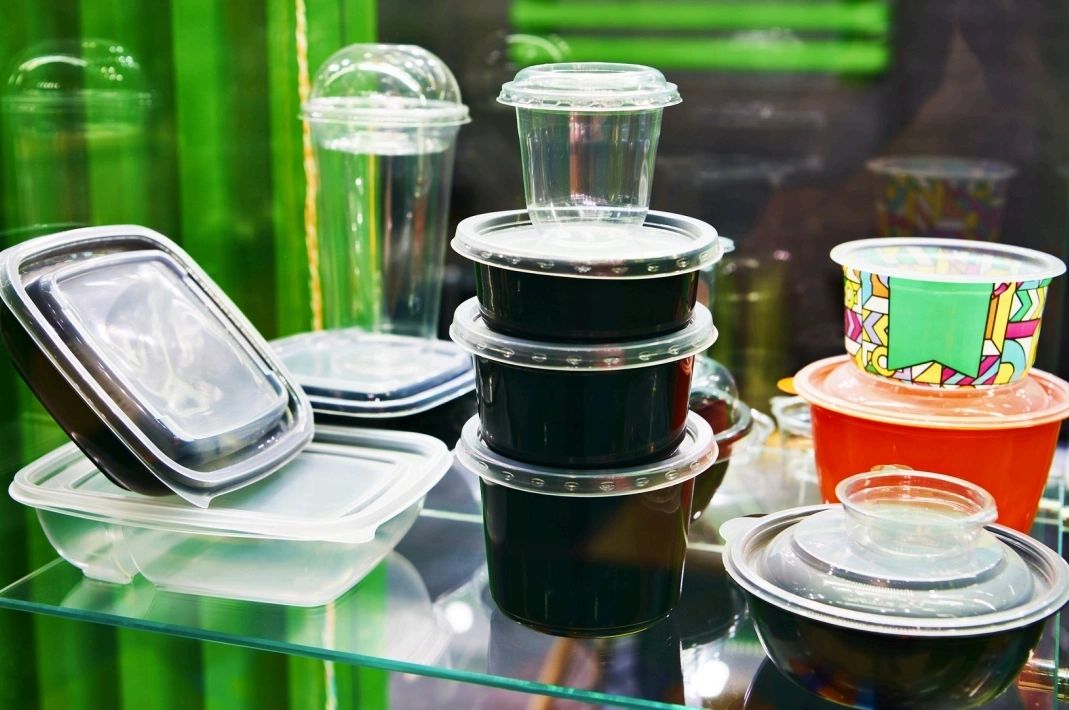
The researchers analyzed plastic food packaging samples from five different countries, seeking to identify the presence of EDCs – substances known to interfere with hormonal systems and metabolism. What they discovered is nothing short of alarming: a significant proportion of the samples tested positive for these harmful chemicals, posing potential risks to consumer health.
Understanding the Risks
Now, you might be wondering, “What’s the big deal with EDCs?” Well, let me break it down for you. These insidious chemicals have been linked to a myriad of health issues, including reproductive disorders, developmental delays, and metabolic disturbances. They have the ability to mimic or interfere with the body’s natural hormones, throwing delicate systems off balance and potentially leading to long-term health consequences.
What’s particularly concerning is that EDCs can leach out of plastic packaging and into the food and beverages we consume, especially when exposed to heat or acidic conditions. So, that convenient microwave meal or grab-and-go snack might come with an unintended side of harmful chemicals – not exactly the appetizing thought we were hoping for.
Empowering Consumers to Make Informed Choices
Armed with this knowledge, it’s more important than ever for consumers to advocate for safer, more transparent packaging practices. While avoiding plastic altogether might seem like a daunting task in our plastic-dependent world, there are steps we can take to minimize our exposure to EDCs:
- Opt for alternatives: Look for food products packaged in glass, stainless steel, or other non-plastic materials whenever possible.
- Check labels: Familiarize yourself with common EDCs found in plastics, such as bisphenol A (BPA) and phthalates, and steer clear of products containing these chemicals.
- Support brands committed to sustainability: Seek out companies that prioritize eco-friendly packaging practices and transparent ingredient sourcing.
- Raise awareness: Share information about the risks associated with EDCs in plastic food packaging with your friends, family, and social networks. Together, we can spark meaningful conversations and drive positive change.
A Call to Action
As consumers, we have the power to demand safer, more responsible practices from food manufacturers and regulatory agencies. By voting with our wallets and raising our voices, we can hold companies accountable for the products they produce and the impact they have on public health and the environment.
So, the next time you reach for that pre-packaged meal or grab a bottle of your favorite beverage, take a moment to consider what’s lurking beneath the surface. By making informed choices and advocating for change, we can create a healthier, safer future for ourselves and generations to come.
Here’s to nourishing our bodies and our planet with intention and awareness!
Reference:
- Stevens, S., et al. (2024). Plastic Food Packaging from Five Countries Contains Endocrine- and Metabolism-Disrupting Chemicals. Environmental Science & Technology. doi.org/10.1021/acs.est.3c08250.