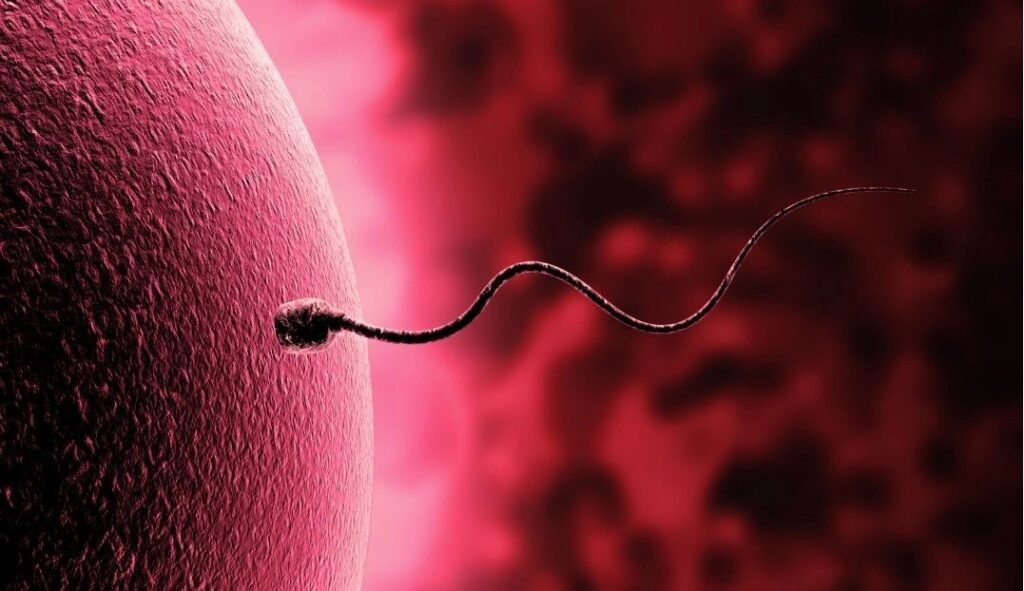
There is a quiet but profound shift happening in how we understand fertility. For many years, the focus was almost entirely on hormones — estrogen, progesterone, FSH, LH — and while these remain important, we are now seeing that reproductive health is just as profoundly influenced by the microbiome: the bacterial ecosystems that live in the gut, vagina, and uterus.
This connection is now referred to as the Gut–Uterus Axis, and it may be one of the most essential (and empowering) developments in natural fertility care.
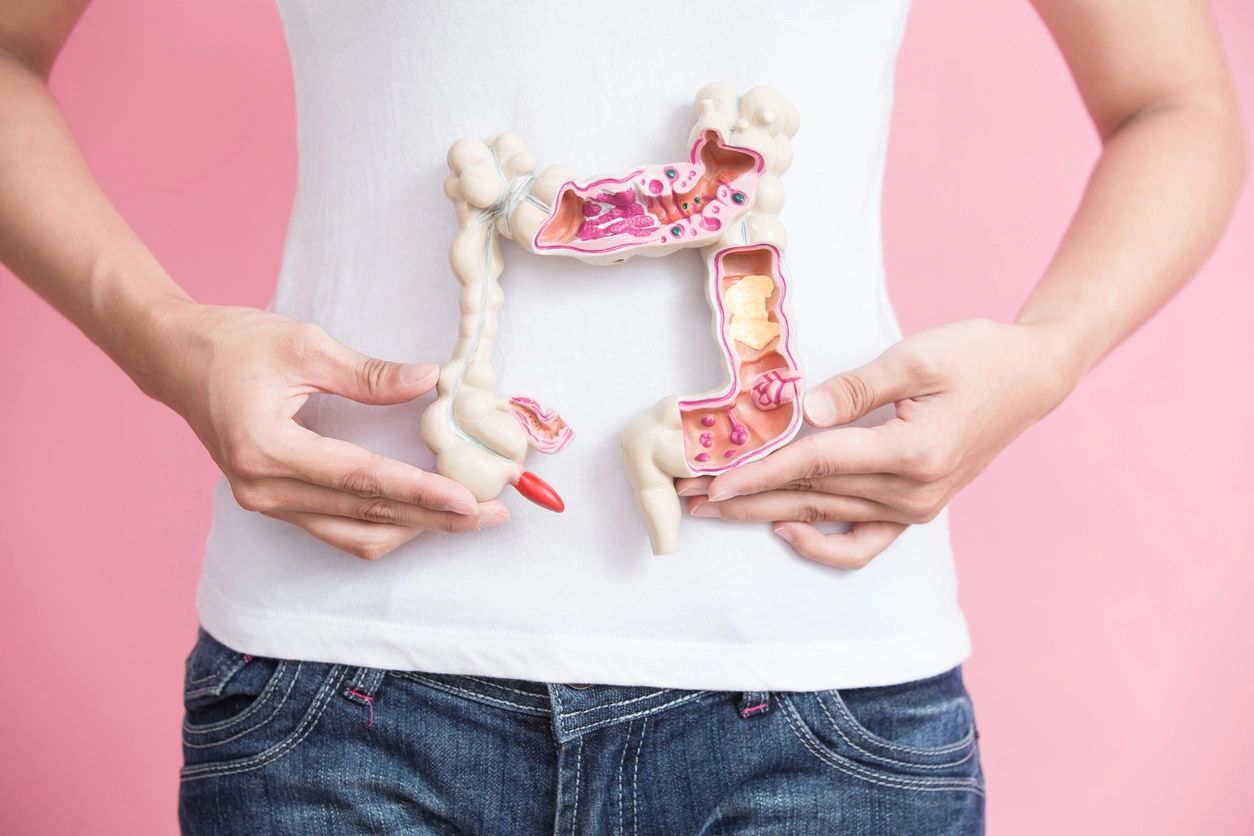
Your gut is home to trillions of bacteria. These bacteria don’t just help digest food — they influence:
- Inflammation
- Immune regulation
- Hormone signaling
- Estrogen metabolism
- Glucose balance
- Stress resilience
All of these directly shape the internal environment in which eggs mature, ovulation occurs, implantation happens, and early pregnancy develops.
Meanwhile, the vaginal and uterine microbiome influences:
- Cervical mucus quality
- Sperm survival
- Uterine lining receptivity
- Risk of early pregnancy loss
When these ecosystems are stable and healthy, fertility has a supportive foundation.
When they are imbalanced, the body may struggle to conceive or maintain a pregnancy.
Imbalance (also known as dysbiosis) can be influenced by:
- Antibiotic use
- Chronic stress
- Processed foods and refined sugar
- Alcohol and smoking
- Environmental toxins
- Certain hormonal contraceptives
- Vaginal washes or scented products
The impact can be subtle — but meaningful.
For some women, dysbiosis shows up as bloating, acne, irregular cycles, or recurrent bacterial vaginosis.
For others, there are no apparent symptoms at all — yet inflammation is quietly altering reproductive signaling.
- In the gut, we look for diversity — many different species working together.
- In the vagina and uterus, we look for lactobacillus dominance — especially Lactobacillus crispatus.
Lactobacillus species help maintain a healthy pH and create an environment that protects against inflammation and infection — both of which are essential for implantation and early pregnancy stability.
This is one of the most powerful ways to feed beneficial gut bacteria.
Aim for 7 different plant foods per day:
- Greens
- Berries
- Nuts and seeds
- Beans or lentils
- Colourful vegetables
Variety matters more than perfection.
Just a small amount daily can make a meaningful difference.
Examples:
- Yogurt or kefir
- Sauerkraut or kimchi
- Miso
- Kombucha
This supports microbial stability.
This means avoiding:
- Douching
- Scented washes
- Vaginal “freshness” products
The vagina truly cleans and balances itself.
Gentle warm water is usually all that’s needed.
This topic — the microbiome’s influence on egg health, ovulation, implantation, and early pregnancy — is something I explore in depth in my upcoming book:
Arriving in the New Year.
If you’d like to be the first to know when it’s released, you can join the book waitlist on my website.
And if you would like to begin today, I’ve created a free downloadable PDF:
“7 Tips to Optimize Your Chance of a Healthy Pregnancy”
Available here: www.drmarinaobgyn.com/freereport
It is a gentle, evidence-informed starting place.
Your body is adaptive. Your fertility is living, responsive, and dynamic.
Small changes matter — deeply.
And you do not need to do this alone.
Dr Marina OBGYN