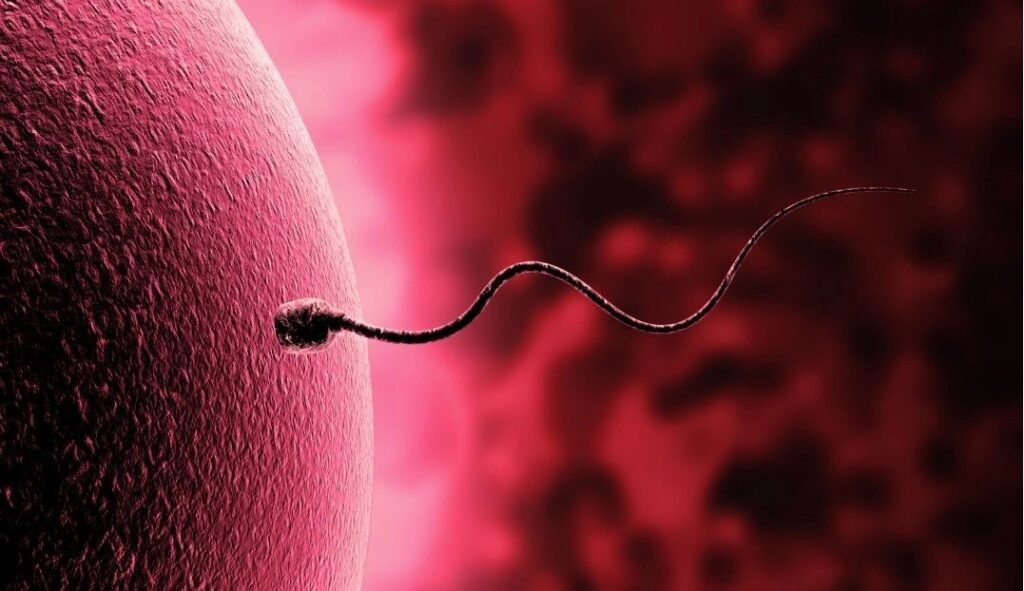
As an OBGYN who has spent decades guiding couples on optimizing fertility, I’ve often emphasized women’s lifestyle, nutrition, timing, and so on. But one dimension we must not overlook is the environmental context — and increasingly, that includes the air we breathe. A new study by Lindell et al. provides a clear wake-up call: exposures to persistent wildfire smoke may have a measurable negative impact on male sperm quality.
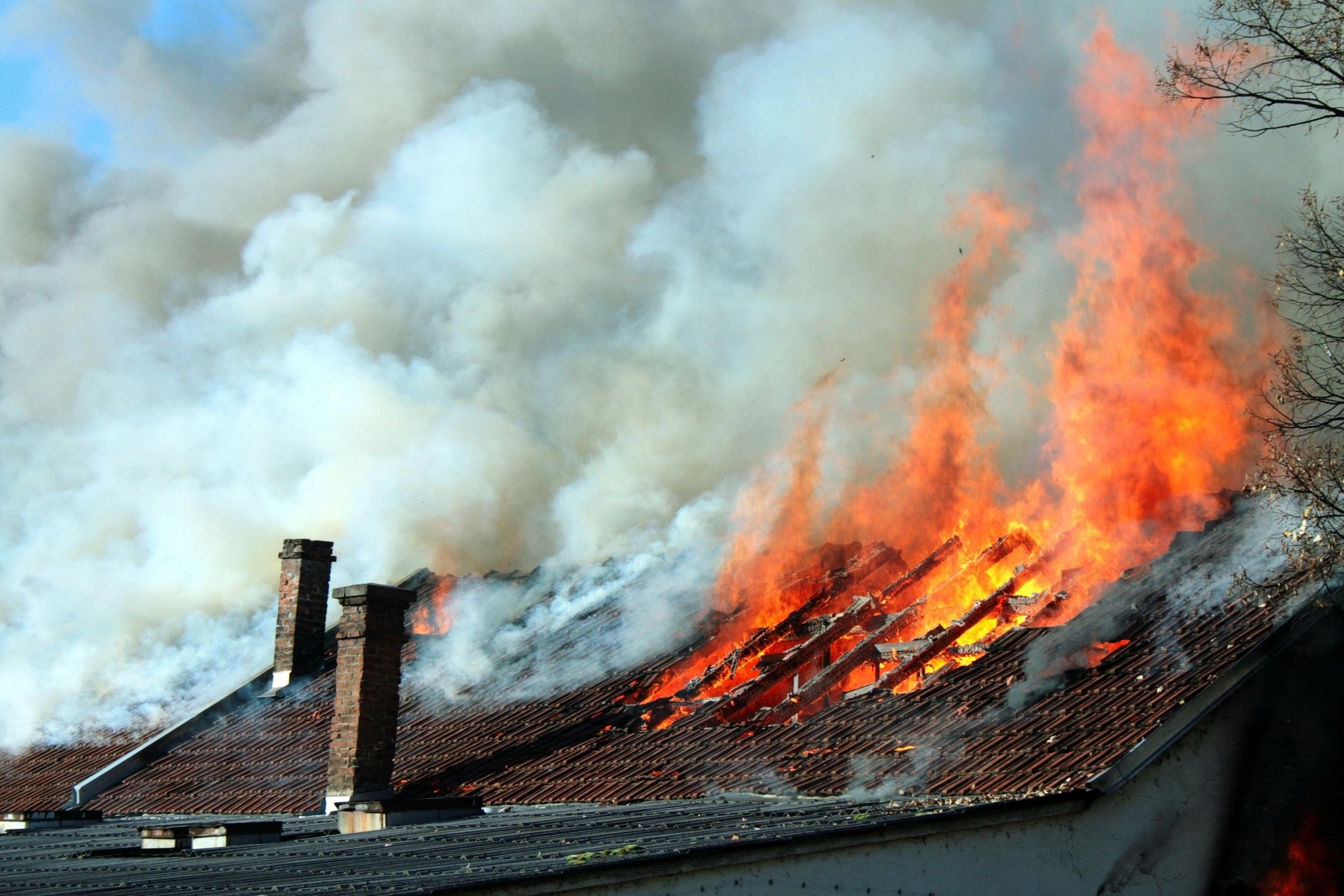
The authors at the University of Washington analyzed 84 men undergoing intrauterine insemination (IUI) in 2018, 2020, and 2022 — years marked by major wildfire-smoke events in the Seattle/Puget Sound region.
Each man acted as his own control: the team compared semen parameters pre-smoke exposure and during the wildfire smoke exposure window.
- Sperm concentration decreased during smoke exposure compared with baseline.
- Total sperm count fell.
- Total motile sperm count (i.e., the number of movement-capable sperm) also declined.
- Total progressively motile sperm count (sperm moving forward) was lower.
- Interestingly, the percentage of progressively motile sperm rose slightly — though that did not compensate for the lower absolute counts.
- These patterns were consistent across the years of smoke exposure (2018, 2020, 2022) — suggesting this isn’t a one‐off fluke.
- The authors, however, did not assess whether these declines translated into lower pregnancy or live-birth rates — that remains unknown.
- Male fertility is vulnerable. We’ve long emphasized female reproductive optimization, but male gametes and semen parameters are sensitive to many stressors — and this study firmly adds wildfire smoke to the list.
- Climate change is fertility change. As wildfire frequency and intensity rise in North America (and globally), so does the risk to reproductive health. This is not a “far-away” environmental issue — it’s in our fertility clinics, our patients’ homes, their aspirational parenthood plans.
- Semen analysis as a canary in the mine. Although this study involved men already undergoing fertility treatment, its findings signal caution to any couple planning conception, particularly if one partner lives in a smoke-prone region.
- Window of exposure matters. Because the men acted as their own controls and had semen drawn both pre- and during‐smoke periods, this suggests that even relatively acute exposures (on the order of wildfire seasons) may affect semen parameters.
- There is an opportunity for intervention. Environmental exposure is modifiable to some extent (or at least exposure risk can be reduced). For my patients, this means we need to integrate ecological counseling into fertility optimization.
Since you and your partner are planning conception (or optimizing fertility), here are actionable steps grounded in this new evidence:
For the male partner
- Aim to minimize time outdoors during known wildfire smoke events (check local air quality indexes).
- Indoors: ensure good ventilation, use HEPA-filter air purifiers, consider closing windows when smoke is heavy.
- When air quality is poor (PM2.5 high), substitute outdoor workouts with indoor alternatives to reduce inhalation of particulates.
- Avoid additional sperm stressors during these key windows: e.g., hot tubs, excess scrotal heat, heavy alcohol use, smoking — because layering stressors may amplify the damage.
- Consider a baseline semen analysis before peak fire/smoke season, and another after (if you live in a high-smoke region) to monitor potential impact over time.
- Discuss antioxidant support (nutrition, lifestyle) with your reproductive endocrinologist or fertility specialist. While environmental exposure is ideal to minimize, adjunctive support may help sperm resilience (though the evidence is still emerging).
For the female partner (and the couple together)
- Be aware: male partner’s exposures matter for the couple’s fertility. Encourage a shared environmental-risk strategy.
- For women, although this study is male-focused, air pollution and smoke may affect egg quality, endometrium, and embryo development, so take smoke exposure seriously on both sides of the equation.
- Plan conception cycles outside peak smoke seasons if possible (or delay elective procedures) in high-smoke regions — as part of a fertility-planning discussion with your clinic.
- Use indoor air quality strategies: HEPA filters, avoiding exposure to second-hand smoke/particulates, and monitoring local air quality alerts.
- Lifestyle optimization remains key: ensuring optimal BMI, nutrition, sleep, limiting other oxidative stressors — so that when environmental exposures occur, the body is in its strongest possible state of resilience.
- This study is retrospective, albeit with each man serving as his own control. It cannot prove causation with absolute certainty.
- The sample (84 men undergoing IUI) is relatively small, and both partners were in a fertility treatment setting, so generalisability to all men may be limited.
- The timeline/cumulative exposure threshold required for measurable decline is not yet defined (how many days/hours of smoke exposure? what particulate load?).
- We do not yet know how long it takes for semen parameters to recover after smoke exposure, or whether the declines translate into reduced live-birth rates. The authors note this remains an open question.
- There may be confounders: men might alter behavior during smoke events (less outdoor activity, stress, etc), which could independently affect semen.
- Although the percentage of motile sperm improved, the absolute numbers dropped — emphasizing the importance of looking at the full semen profile, not just “percentage motile”.
In my clinical practice and in speaking with couples, I am now integrating environmental-exposure counseling as a core part of fertility optimization. This study reinforces that we must look beyond diet, exercise, supplements, and timing — we must include our ambient air, our wildfire-smoke seasons, and our indoor air quality.
Practically, I advise that male partners take these exposures seriously: reducing smoke inhalation helps sperm concentration and motile count, which could accelerate getting to pregnancy. For couples, align the timing of conception efforts with your regional air-quality calendar — if a major wildfire season is expected, perhaps delay non-urgent fertility interventions or be extra vigilant with indoor air precautions.
For my colleagues in fertility and reproductive health: this is a call to action. Our clinics should ask about air-quality exposure histories, smoke events, and regional wildfire risk — and incorporate mitigation strategies into pre-conception counseling. We should lobby for air-quality awareness within the fertility space. We should track and study whether interventions (air purifiers, smoke exposure reduction) improve semen parameters or fertilization/implantation outcomes.
I see this study as a powerful example of how macro-environmental factors (climate, air pollution, wildfires) intersect with micro-fertility outcomes (sperm counts, motility). We are living in a time when every puff of smoke, every haze day, may carry consequences for a couple’s dream of parenthood. But since exposure is modifiable, we can empower men, women, and couples. Our message: don’t wait — optimize everything you can, and include the air you breathe in your fertility plan.
Reference:
Lindell, Lillian X., Sarah K. Holt, Erin Petersen, Navya Gunaje, Arash Amighi, Amanda Haack, Anthony Bui, Ryan Nasseri, Theodore Crisostomo-Wynne, Catherine J. Karr, Charles H. Muller, Thomas J. Walsh, and Tristan M. Nicholson. “Wildfire Smoke Exposure Is Associated with Decreased Sperm Concentration and Total Motile Sperm Count.” Fertility and Sterility, published online October 2025.
Dr Marina OBGYN