
Introduction
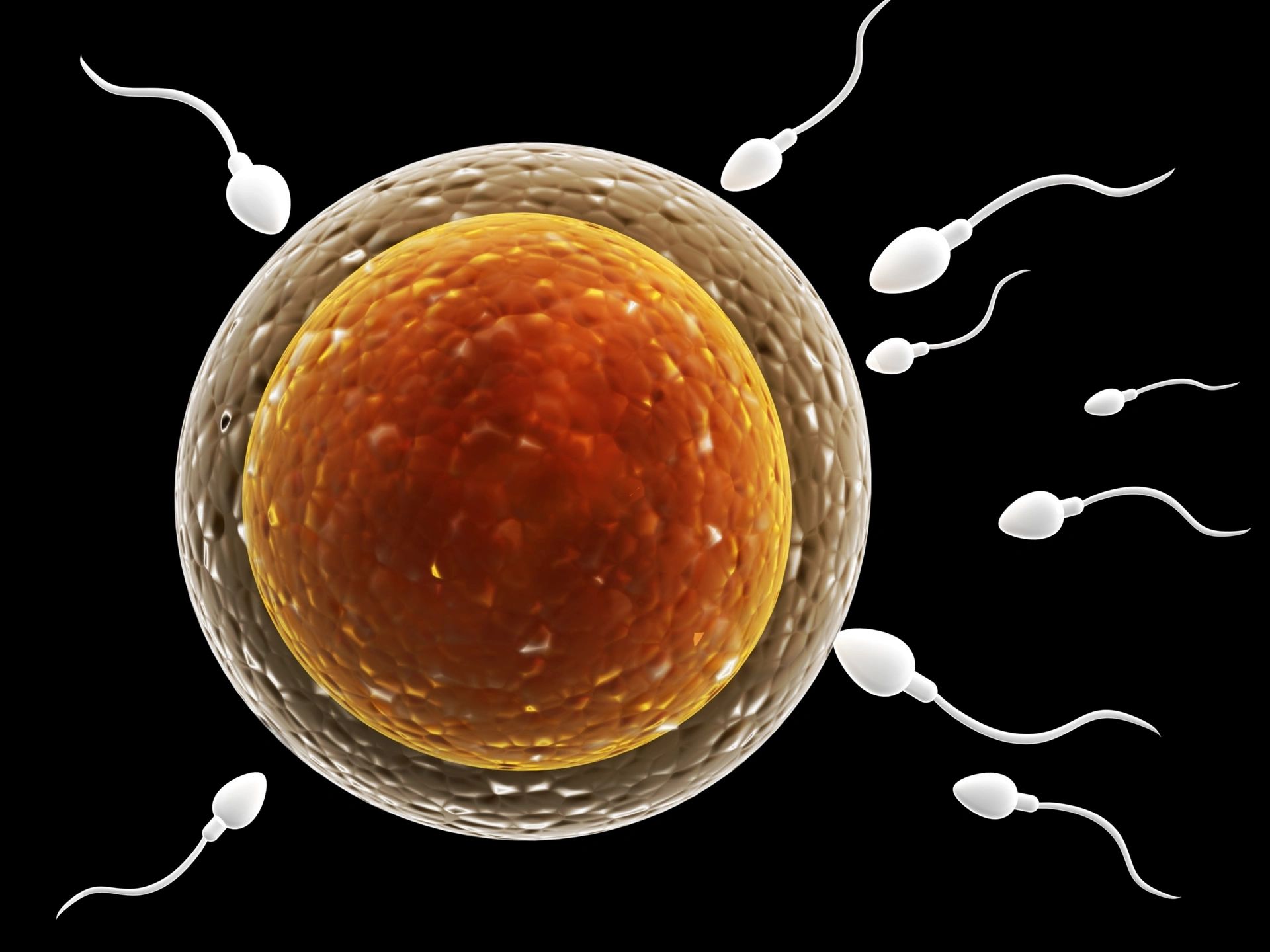
In the ever-evolving landscape of reproductive health, a groundbreaking study has recently surfaced, shedding light on the intricate relationship between semen microbiota and male fertility. The article titled “Semen microbiota are dramatically altered in men with abnormal sperm parameters” by Osadchiy V. et al. (2024) is a compelling exploration into the world of male reproductive biology, published in Scientific Reports. In this blog, we will delve into the key findings of this research and its potential implications for understanding and addressing male infertility.
Understanding Semen Microbiota
Traditionally, semen has been viewed as a sterile fluid, but recent advancements in microbiome research have challenged this perception. The study conducted by Osadchiy V. and colleagues delves into the microbial communities present in semen and their potential impact on male fertility. The researchers employed advanced techniques to analyze the semen microbiota of men with abnormal sperm parameters, opening a new frontier in the quest to unravel the complexities of male reproductive health.
Key Findings
The research reveals a significant correlation between the composition of semen microbiota and various sperm parameters. Men with abnormal sperm parameters exhibited a dramatic alteration in their semen microbiota compared to those with normal sperm characteristics. This discovery prompts a reevaluation of the factors influencing male fertility and challenges traditional notions surrounding semen composition.
Implications for Male Fertility
The implications of this study extend beyond the realm of academia, with potential repercussions for clinical approaches to male fertility issues. Understanding the role of semen microbiota could pave the way for innovative diagnostic tools and therapeutic interventions tailored to address specific microbial imbalances. This newfound knowledge may contribute to the development of personalized treatments, offering hope to couples grappling with infertility.
Future Directions
As with any pioneering research, Osadchiy V. et al.’s study opens the door to a multitude of questions and possibilities. Future investigations in this field may explore the causal relationship between semen microbiota and abnormal sperm parameters, shedding light on whether microbial imbalances contribute to or result from fertility issues. Additionally, research may focus on the potential impact of lifestyle, diet, and environmental factors on semen microbiota composition.
In Conclusion
The study on semen microbiota and abnormal sperm parameters marks a significant milestone in the understanding of male reproductive health. Osadchiy V. et al.’s findings challenge conventional perspectives, paving the way for a deeper exploration of the intricate interplay between microbial communities and male fertility. As we await further research and advancements in this field, one thing is clear – the relationship between semen microbiota and male fertility is a captivating frontier with the potential to redefine how we approach and address reproductive challenges.