
Introduction
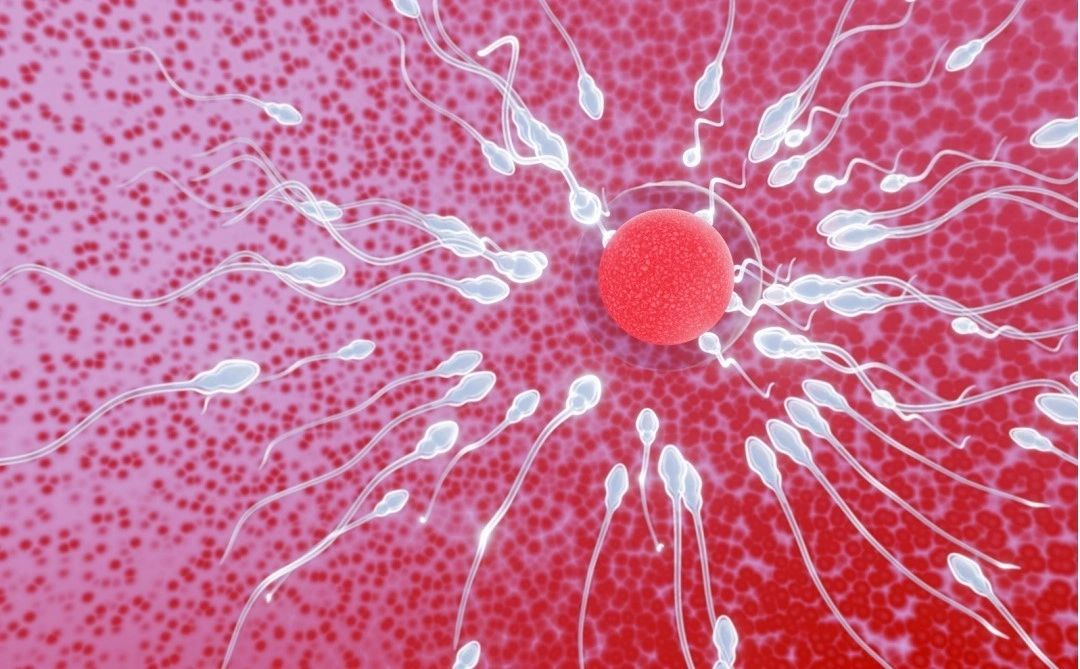
In the intricate dance of fertilization, a delicate balance exists between allowing a single sperm to penetrate the egg and preventing multiple sperm from doing so. Recently, groundbreaking research published in Cell sheds light on one of the key players in this process: ZP2 cleavage. Led by a team of brilliant scientists including Shunsuke Nishio, Chihiro Emori, and others, this study illuminates the mechanisms by which ZP2 cleavage safeguards against polyspermy, offering invaluable insights into the fundamentals of reproduction.
Delving into Polyspermy
Polyspermy, the fertilization of an egg by more than one sperm, is a phenomenon fraught with consequences. While a single sperm’s union with the egg initiates the formation of new life, multiple sperm intrusion can lead to chromosomal abnormalities and developmental defects. Understanding how nature prevents polyspermy is therefore paramount in reproductive biology.
Unraveling the Role of ZP2 Cleavage
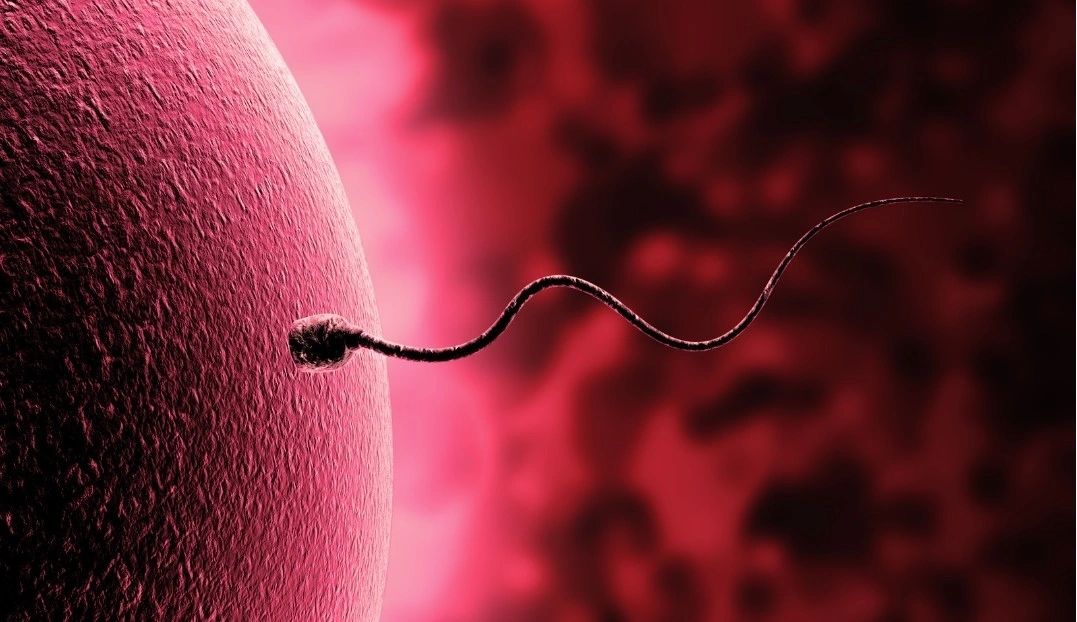
At the heart of this intricate process lies ZP2, a protein component of the egg coat essential for fertilization. The research conducted by Nishio et al. elucidates how the cleavage of ZP2 acts as a barrier against polyspermy. By meticulously examining the architecture of the egg coat, the team revealed that ZP2 cleavage alters its structure, making it impenetrable to additional sperm.
Implications for Reproductive Medicine
The implications of this discovery are profound. Not only does it deepen our understanding of the molecular mechanisms governing fertilization, but it also holds promise for advancements in reproductive medicine. By deciphering the intricate dance between sperm and egg, researchers may devise novel strategies for infertility treatments and contraception.
Celebrating Collaborative Science
This groundbreaking study stands as a testament to the power of collaboration in scientific discovery. With contributions from researchers spanning multiple disciplines and institutions, it exemplifies the synergy that arises when brilliant minds unite in pursuit of knowledge. From the laboratories of Shunsuke Nishio to the halls of academia worldwide, this research underscores the importance of teamwork in unraveling the mysteries of life.
Conclusion
As we peer into the microscopic world of fertilization, the significance of ZP2 cleavage in preventing polyspermy becomes increasingly apparent. Through meticulous research and collaboration, Nishio, Emori, and their colleagues have unveiled a critical piece of the puzzle, shedding light on one of nature’s most fascinating phenomena. As we continue to probe the mysteries of reproduction, let us celebrate the spirit of inquiry and collaboration that drives scientific progress forward.
Reference:
- Shunsuke Nishio, Chihiro Emori, Benjamin Wiseman, Dirk Fahrenkamp, Elisa Dioguardi, Sara Zamora-Caballero, Marcel Bokhove, Ling Han, Alena Stsiapanava, Blanca Algarra, Yonggang Lu, Mayo Kodani, Rachel E. Bainbridge, Kayla M. Komondor, Anne E. Carlson, Michael Landreh, Daniele de Sanctis, Shigeki Yasumasu, Masahito Ikawa, Luca Jovine. ZP2 cleavage blocks polyspermy by modulating the architecture of the egg coat. Cell, 2024; 187 (6): 1440 DOI: 10.1016/j.cell.2024.02.013