
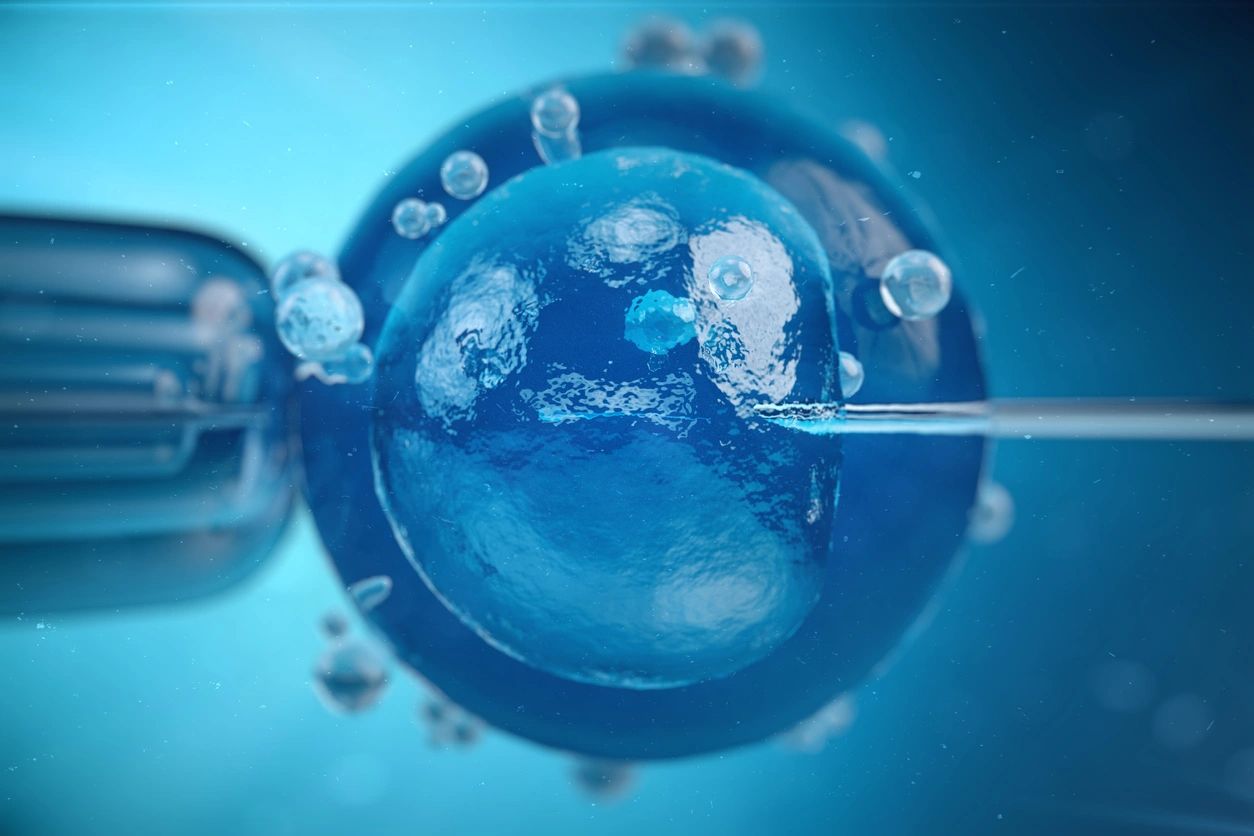
Introduction: The Critical Role of Egg Quality
The journey of conception hinges on the quality of the egg, a fundamental yet often enigmatic aspect of fertility. In a groundbreaking study recently published in Cell Genomics, scientists Qiuyang Wu and Zixu Zhou illuminate this crucial facet of reproduction through the lens of extracellular RNA (exRNA) analysis. Their work offers a pioneering approach to assessing and understanding egg quality, holding immense promise for reproductive medicine and assisted fertility techniques.
Setting the Stage: Deciphering the Essence of Egg Quality
Before fertilization can occur, the quality of the egg profoundly influences the likelihood of successful conception and pregnancy. However, traditional methods for assessing egg quality have limitations, often relying on subjective criteria or indirect measurements. Wu and Zhou’s research introduces a paradigm shift by leveraging exRNA, the genetic material released by cells into the surrounding environment, as a novel indicator of egg quality.
The Breakthrough: Harnessing exRNA for Precision Assessment
In their study, Wu and Zhou employed state-of-the-art techniques to analyze extracellular RNA (exRNA0 profiles in the vicinity of eggs at various stages of development. Extracellular RNA describes RNA species present outside of the cells in which they were transcribed. Carried within extracellular vesicles, lipoproteins, and protein complexes, exRNAs are protected from ubiquitous RNA-degrading enzymes. By scrutinizing the molecular signals emitted by these eggs, they discerned distinct patterns associated with egg quality. This innovative approach provides objective metrics for evaluating eggs and unveils underlying molecular mechanisms governing fertility and embryonic development.
Implications and Applications: Revolutionizing Reproductive Medicine
The ability to assess egg quality with precision and objectivity carries profound implications for reproductive medicine. By integrating exRNA analysis into existing fertility protocols, clinicians can enhance the success rates of assisted reproductive technologies such as in vitro fertilization (IVF). Moreover, this technology opens new avenues for personalized interventions, allowing tailored treatments for individuals struggling with infertility or recurrent pregnancy loss.
Challenges and Future Directions: Navigating Complexity in Pursuit of Progress
While the potential of exRNA analysis in assessing egg quality is vast, challenges remain on the path to widespread clinical implementation. Further validation studies, optimization of methodologies, and standardization of protocols are essential to ensure reliability and reproducibility. Additionally, continued research is needed to elucidate the full spectrum of exRNA signatures associated with egg quality across diverse populations and reproductive contexts.
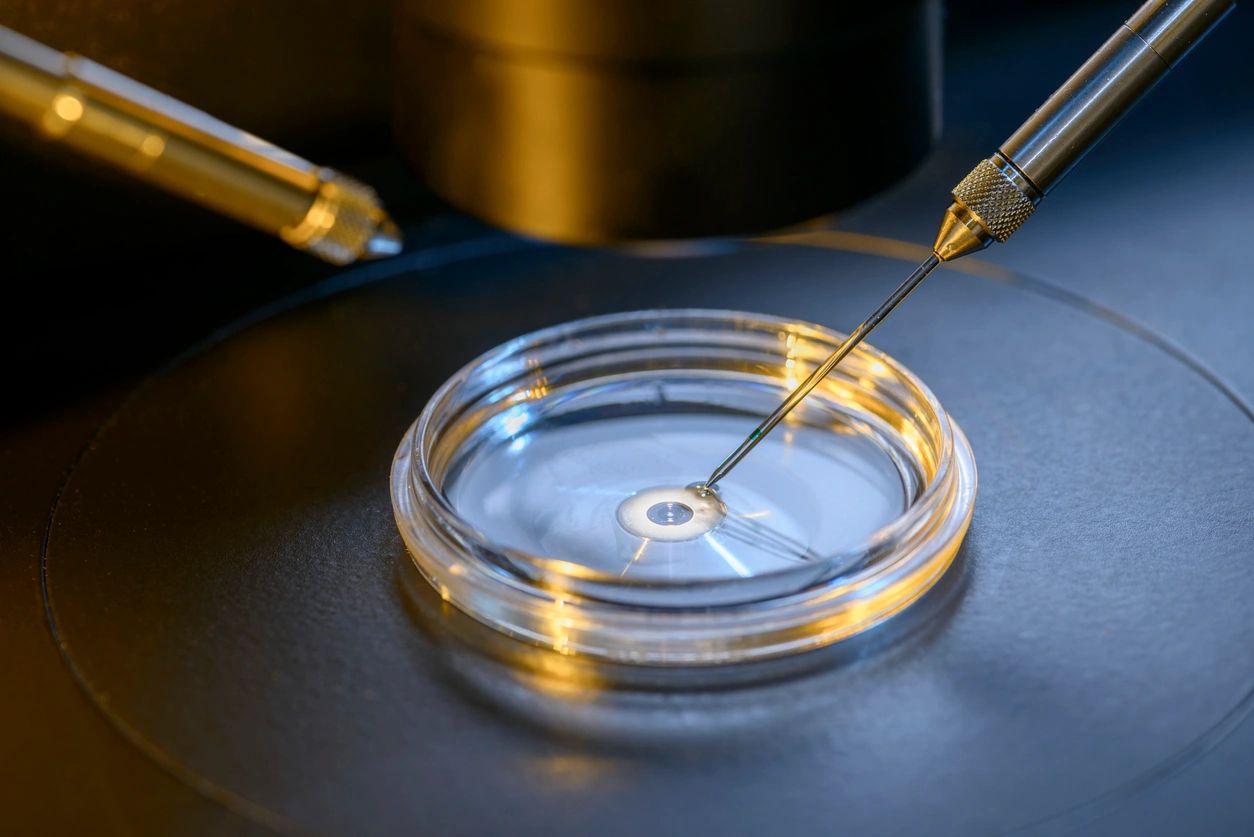
Conclusion: Illuminating the Path to Parenthood
In the intricate tapestry of fertility, the quality of the egg stands as a cornerstone of successful conception and pregnancy. Through the pioneering work of Qiuyang Wu and Zixu Zhou, we gain unprecedented insights into this foundational aspect of reproduction. By harnessing the power of exRNA analysis, we not only unlock the secrets of egg quality but also pave the way for more effective, personalized approaches to fertility treatment. As we embark on this journey of discovery, guided by the light of scientific inquiry, we move ever closer to fulfilling the dreams of parenthood for countless individuals and families worldwide.
Extracellular RNA: A new perspective on the human pre-implantation embryos
Cell Genomics, Volume 4, Issue 1, 10 January 2024, Pages 100472
Jiye Fu, Jing Tu