

Introduction
In the realm of reproductive biology, the journey of oocyte development remains a captivating subject of exploration. Recent research published in Cell by Gabriele Zaffagnini and colleagues sheds light on a fascinating aspect of oocyte biology: the presence of degradative super-organelles. These specialized structures within mouse oocytes play a pivotal role in managing protein aggregates, offering valuable insights into cellular dynamics and potential implications for human fertility.
Deciphering Degradative Super-organelles
The study delves into the intricate mechanisms employed by oocytes to handle protein aggregates, a phenomenon known to impact cellular function. Through meticulous experimentation, the researchers identified degradative super-organelles as key players in this process. These structures, known as Endolysosomal Vesicular Assemblies (ELVAs), serve as specialized hubs for sequestering and degrading aggregated proteins, thereby preserving the integrity of the oocyte.
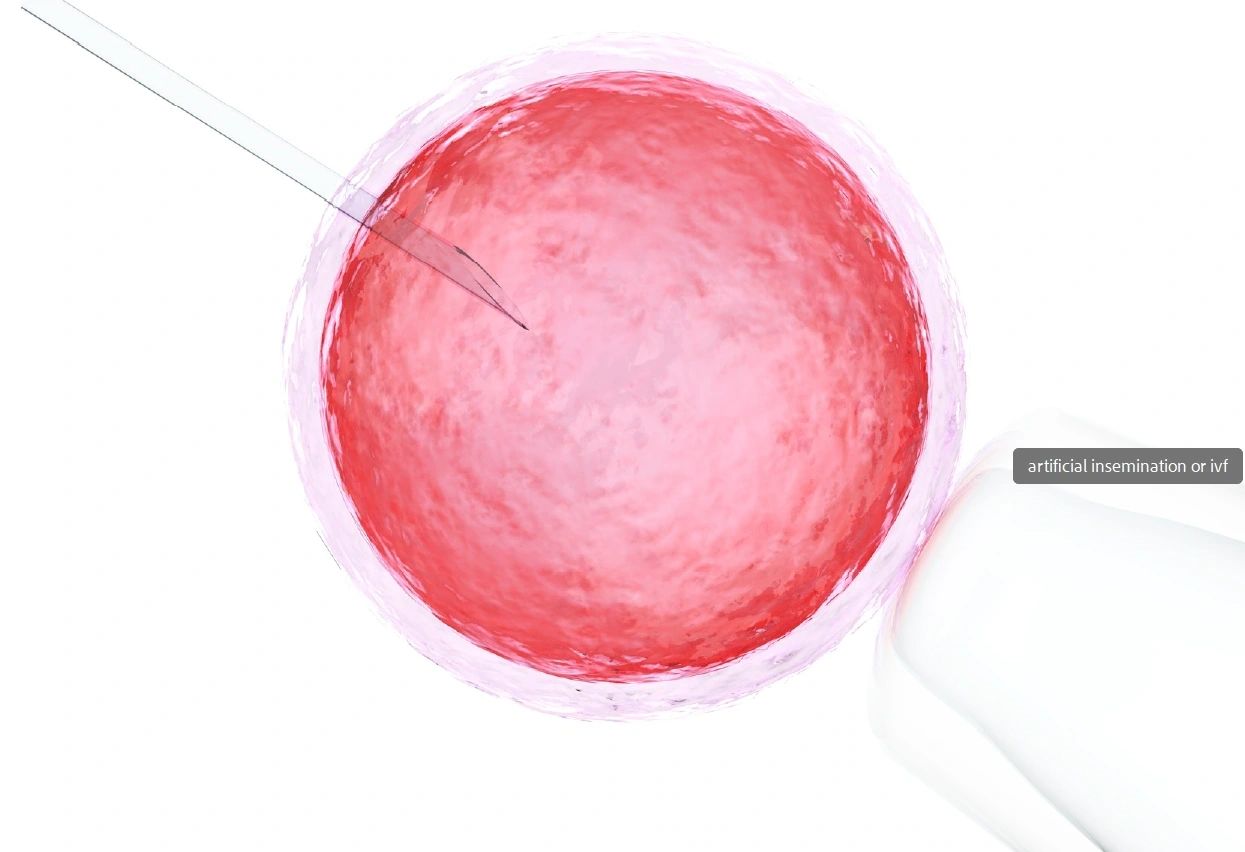
Implications for Reproductive Health
The findings presented by Zaffagnini et al. have far-reaching implications for reproductive health, particularly in addressing age-related decline and infertility. By deciphering the mechanisms underlying protein aggregate management, the research opens avenues for developing targeted interventions aimed at preserving oocyte quality and fertility. Moreover, the study underscores the adaptive nature of oocytes in responding to proteostatic challenges, offering hope for future advancements in assisted reproductive technologies.
Implications for Neurodegenerative Diseases
Beyond reproductive health, the insights gleaned from this study hold promise for understanding and potentially addressing neurodegenerative diseases. Protein aggregation is a hallmark feature of conditions like Alzheimer’s, Parkinson’s, and Huntington’s diseases, where misfolded proteins accumulate and impair neuronal function. The mechanisms elucidated in the context of oocyte biology, particularly the role of ELVAs in protein aggregate management, may inform strategies for mitigating protein aggregation in neurons. By uncovering novel pathways for protein degradation and clearance, this research opens new avenues for therapeutic interventions aimed at combating neurodegenerative diseases.
Conclusion
In conclusion, the research conducted by Zaffagnini and colleagues offers a compelling glimpse into the intricate world of oocyte biology. Through the discovery of degradative super-organelles (ELVAs), the study advances our understanding of cellular dynamics and holds promise for addressing reproductive health challenges. Furthermore, the implications for neurodegenerative diseases underscore the broader significance of this research, highlighting its potential to impact diverse areas of biomedical science. As we continue to unravel the mysteries of oocyte development, studies like these pave the way for innovative approaches to enhancing fertility, supporting reproductive well-being, and combating debilitating neurological conditions.
Journal Reference:
- Gabriele Zaffagnini, Shiya Cheng, Marion C. Salzer, Barbara Pernaute, Juan Manuel Duran, Manuel Irimia, Melina Schuh, Elvan Böke. Mouse oocytes sequester aggregated proteins in degradative super-organelles. Cell, 2024; DOI: 10.1016/j.cell.2024.01.031