
For years, I’ve told my patients—and anyone who will listen—that fertility is not just about having a baby. It is a mirror reflecting your metabolic health, mitochondrial resiliency, inflammation levels, sleep patterns, stress load, and even your future risk of chronic disease.
Today, the science finally agrees. Fertility has become a longevity biomarker, and the global research comparing reproductive aging in North America with that in other regions is nothing short of fascinating.
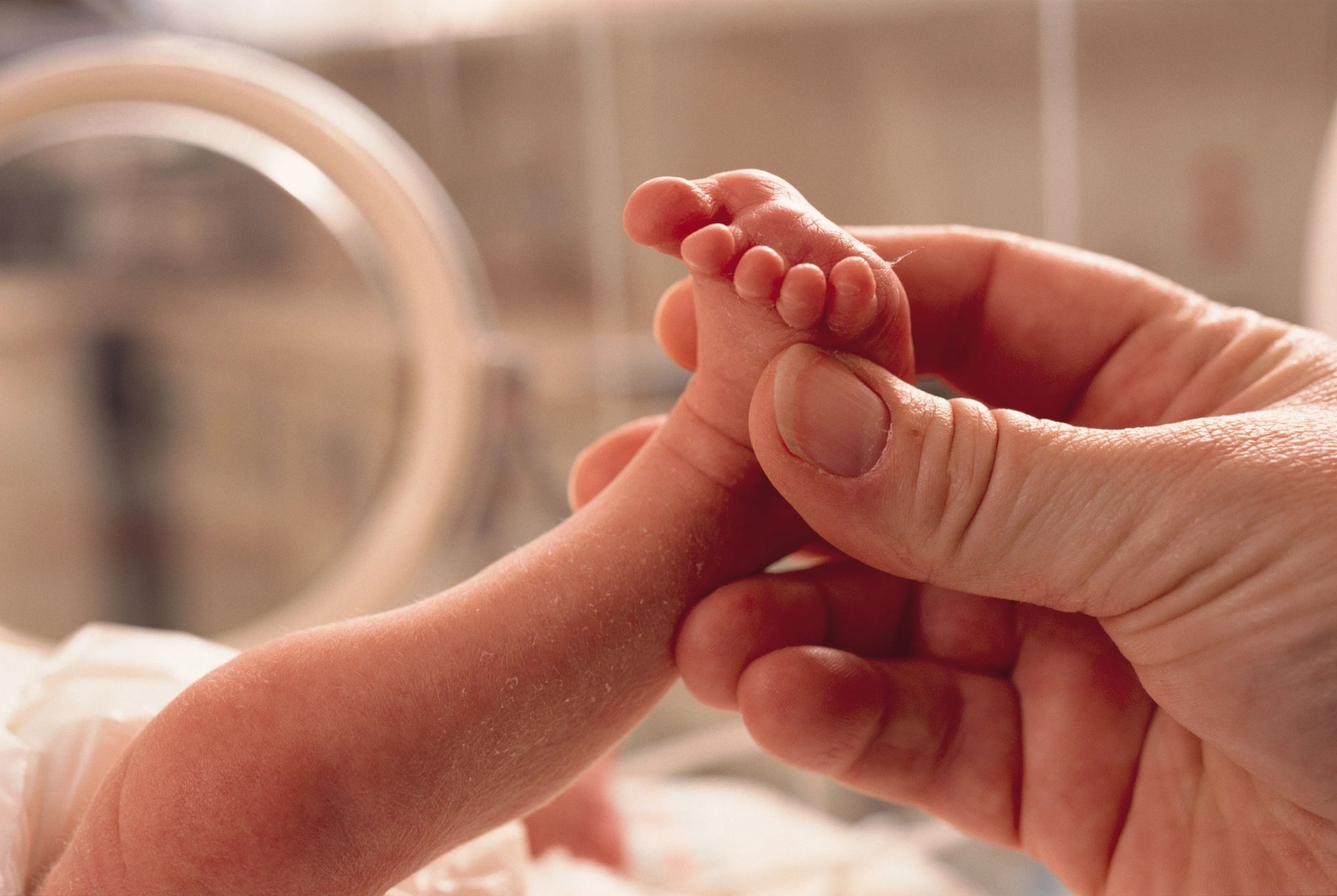
When we measure AMH, antral follicle count, or ovarian volume, we aren’t just measuring “how many eggs are left.” We’re assessing:
- mitochondrial function
- systemic inflammation
- endocrine-disrupting chemical exposure
- metabolic flexibility
Women with earlier ovarian aging have increased risks of osteoporosis, cardiovascular disease, cognitive decline, and metabolic dysfunction later in life. The ovaries age faster than any other organ system, and they give us an early warning sign that something deeper needs attention.¹
This is why I say your fertility is your vital sign—just like blood pressure, blood sugar, or resting heart rate.
This is where the global comparison becomes eye-opening.
Women in North America are exposed to significantly higher levels of:
- microplastics
- PFAS (“forever chemicals”)
- phthalates
- pesticide residues
All of these accelerate ovarian aging, reduce embryo quality, and impair sperm parameters.²
Many European nations have stricter chemical regulations, and emerging data shows disparities in AMH levels and reproductive longevity between regions with different environmental burdens.
Typical North American diets are:
- higher in ultra-processed foods
- higher in omega-6 inflammatory fats
- lower in polyphenols and antioxidants
Mediterranean-style diets—rich in monounsaturated fats, vegetables, and polyphenols—are associated with improved ART outcomes, reduced inflammation, and better metabolic health.³
Chronic stress, circadian disruption, and sleep debt disproportionately affect North American professionals. Newer studies show that women with shorter sleep duration and more irregular sleep patterns have lower AMH levels and signs of accelerated reproductive aging.⁴
The body keeps score—and the ovaries keep score early.

We often talk about eggs, but sperm is equally revealing.
Men with higher sperm DNA fragmentation have:
- higher cardiometabolic disease risk
- more inflammation
- shorter telomeres
- poorer mitochondrial function
Sperm health predicts long-term health outcomes in men, and, like women’s reproductive aging, environmental exposures are a major factor.⁵
Nordic countries continue to report better sperm motility, morphology, and lower DFI rates compared to North America—likely due to lower environmental toxicants and more active lifestyles.
One of the most exciting developments this year was the Science paper showing that myostatin, a muscle-derived hormone, plays a key role in regulating FSH production.⁶
This means something radical:
your muscles are talking to your ovaries.
Strength training is not just about fitness—it is a fertility intervention.
More lean muscle mass → better metabolic function → better mitochondrial health → better ovarian and sperm health.
We are entering a new era where reproductive medicine and longevity medicine overlap, and the research is accelerating quickly.
No matter where you live, you can shift your reproductive-aging trajectory.
Evidence-based longevity habits that support fertility include:
- Resistance training (improves myokines, insulin sensitivity, FSH regulation)
- Mediterranean eating patterns (reduce inflammation, improve ART outcomes)
- Regular sleep and circadian alignment
- Reducing exposure to plastics and endocrine disruptors
- Stress recovery practices—breathwork, yoga nidra, nature exposure
- Polyphenols and nutraceuticals (melatonin, NAC, CoQ10)
We now understand that the same tools that keep your heart, brain, and bones healthy also preserve your reproductive years.
You don’t need to wait for a diagnosis.
You don’t need to wait until you’re trying to conceive.
You don’t need to wait until symptoms become loud.
Your fertility—your cycles, your hormones, your AMH, your energy, your sleep—is one of the earliest signs of how well your body is aging.
And unlike your chronological age, your biological fertility age is absolutely modifiable.
- Muhammad, Yasin Ali. “Reproductive Aging in Biological Females: Mechanisms and Immediate Consequences.” Frontiers in Endocrinology 16 (2025): 1658592. https://doi.org/10.3389/fendo.2025.1658592
- Xie, Yidong, Ruoti Peng, and Li Xiao. “Environmental Chemicals and Female Reproductive Health: Unraveling Mechanisms and Societal Impacts—A Narrative Review.” Clinical and Experimental Obstetrics & Gynecology 52, no. 8 (2025): 39882. https://doi.org/10.31083/CEOG39882
- Barouti, Lambros, et al. “The Role of the Mediterranean Diet in Assisted Reproduction.” Nutrients 16, no. 28 (2024): 2807. https://doi.org/10.3390/nu16162807
- Li, Jing, Yali Huang, Shirong Xu, and Ying Wang. “Sleep Disturbances and Female Infertility: A Systematic Review.” BMC Women’s Health 24 (2024): 643. https://doi.org/10.1186/s12905-024-03508-y
- Andrabi, S. W., A. Ara, A. Saharan, M. Jaffar, N. Gugnani, and S. C. Esteves. “Sperm DNA Fragmentation: Causes, Evaluation and Management in Male Infertility.” JBRA Assisted Reproduction 28, no. 2 (2024): 306–319. https://doi.org/10.5935/1518-0557.20230076
- Ongaro, Luisina, Xiang Zhou, Ying Wang, Hailey Schultz, Ziyue Zhou, Evan R. S. Buddle, et al. “Muscle-Derived Myostatin Is a Major Endocrine Driver of Follicle-Stimulating Hormone Synthesis.” Science 387, no. 6731 (2025): 329–336. https://doi.org/10.1126/science.adi4736
Dr Marina OBGYN