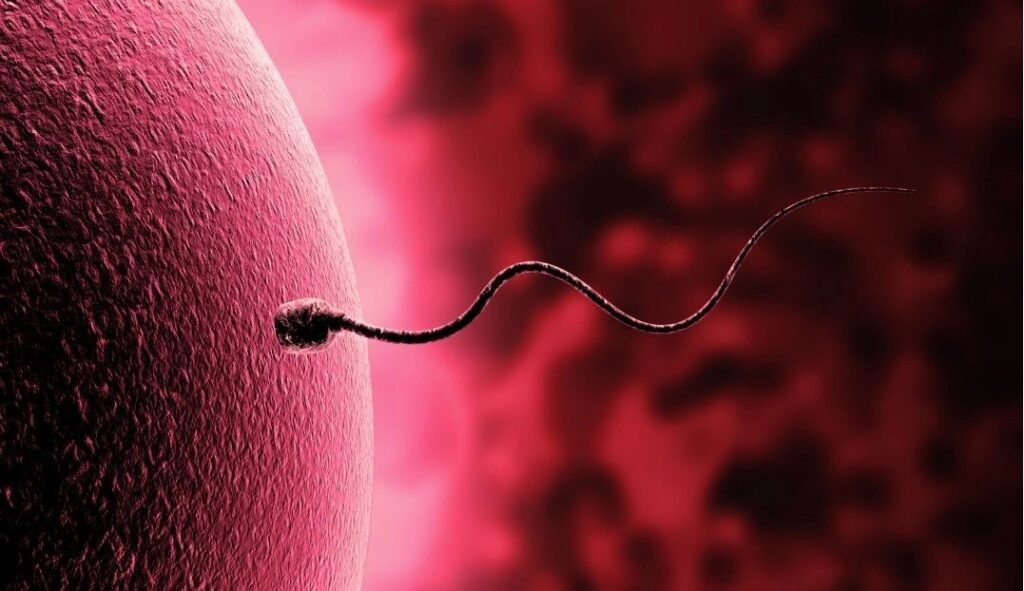

When it comes to infertility, one of the most common and challenging causes is blocked fallopian tubes. The tiny oviducts play a critical role in natural conception, serving as the meeting place for sperm and egg. However, blockages in these tubes often necessitate invasive surgeries or even the bypass approach of in vitro fertilization (IVF). Enter the magnetically-driven robotic microscrew—an innovative technology recently highlighted in a 2024 study by Liu et al., published in AIP Advances. Let’s explore the potential implications of this groundbreaking research.
What is the Robotic Microscrew?
The robotic microscrew is a minuscule device engineered to navigate the delicate and complex environment of the fallopian tubes. Powered by external magnetic fields, the microscrew is capable of precise movements and manipulation. The study demonstrated its feasibility in recanalizing blocked oviducts—essentially clearing the pathway for eggs and sperm to meet naturally. Unlike traditional surgical approaches, this method is minimally invasive and has the potential to preserve the integrity of surrounding tissues.
Insights from the Study
The research conducted by Liu et al. involved designing and testing the robotic microscrew in controlled laboratory settings. The team developed a device small enough to navigate the narrow and delicate structure of the fallopian tubes while being robust enough to effectively clear obstructions. Through a series of experiments, the researchers demonstrated that the microscrew could be precisely maneuvered using external magnetic fields, allowing it to address blockages without damaging surrounding tissue.
The study also included simulations of the fallopian tube environment, testing the device’s ability to navigate complex pathways and perform controlled recanalization. The results were promising, showing high levels of precision and efficiency in clearing blockages. While these findings are preliminary and based on preclinical models, they provide a solid foundation for further research and potential clinical application.
Why This Matters
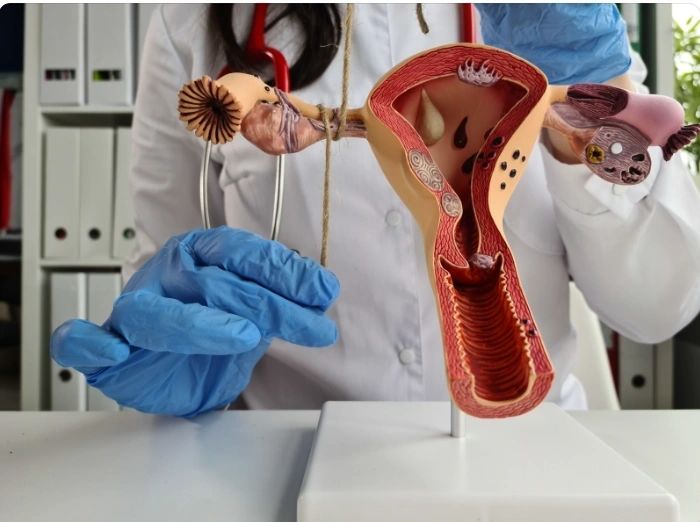
Blocked fallopian tubes are a leading cause of infertility worldwide. Current treatment options include:
- Surgical Interventions: Procedures like salpingostomy or tubal reanastomosis aim to repair the blockage but often come with risks of scarring and ectopic pregnancy.
- IVF: While highly effective, IVF is expensive and not accessible to all, requiring advanced laboratory infrastructure and skilled practitioners.
A technology like the robotic microscrew could bridge the gap between these options, offering a less invasive, potentially more affordable solution.
Potential Advantages
The microscrew technology offers several promising advantages:
- Precision: The magnetic control allows for targeted action, reducing damage to surrounding tissues.
- Minimally Invasive: The approach could significantly reduce recovery times and associated surgical risks.
- Accessibility: If adapted for widespread clinical use, it may offer a cost-effective alternative to IVF.
- Preservation of Natural Fertility: By addressing the root cause of infertility—tubal blockage—the technology may enable natural conception without the need for hormonal stimulation or laboratory fertilization.
Challenges Ahead
While the concept is promising, there are several hurdles to overcome before the robotic microscrew becomes a standard clinical tool:
- Human Trials: The current study focused on feasibility and proof of concept. Extensive trials in humans are needed to establish safety and efficacy.
- Technical Refinements: Ensuring the microscrew’s durability and reliability in real-world conditions will be critical.
- Training and Infrastructure: Clinicians will need specialized training to use this technology effectively. Additionally, facilities will need to invest in the necessary equipment for magnetic control.
- Cost Considerations: While potentially more affordable than IVF, the initial development and deployment costs could pose barriers to widespread adoption.
Implications for Patients
If successful, this technology could revolutionize treatment options for patients with tubal-factor infertility. It holds particular promise for:
- Women in low-resource settings where IVF is not accessible.
- Patients who prefer less invasive treatments.
- Those who want to avoid the hormonal side effects and emotional strain often associated with IVF.
Moreover, this approach aligns with the broader trend in reproductive medicine toward personalized, less invasive solutions that enhance natural fertility.
A Glimpse into the Future
Imagine a future where a woman diagnosed with blocked fallopian tubes can undergo a quick, minimally invasive procedure to restore her natural fertility. The robotic microscrew represents more than just a technological advancement; it symbolizes hope for millions of couples struggling with infertility. However, as with any new medical innovation, rigorous research and ethical considerations must guide its journey from lab to clinic.
This study by Liu et al. opens the door to exciting possibilities, but the real test lies in its application. For now, it’s a reminder of how science and technology continue to push boundaries, transforming the way we approach the most intricate challenges of human health.
Reference:
Liu, Xiangchao, Yuan Liu, Jing Huang, Xuhui Zhao, Jiangfan Yu, Xiaopu Wang, and Haifeng Xu. “Magnetically-Driven Robotic Microscrew for the Oviduct Recanalization.” AIP Advances 12, no. 14 (2024): 5317 https://doi.org/10.1063/5.0233734
Dr Marina OBGYN