When we think of IVF, many imagine it as the final solution for couples struggling with infertility. However, a recent study, published in the Journal of Human Reproduction, offers an inspiring insight: natural conception after IVF is not just possible, but more common than many realize.
The Study That Sparked Hope
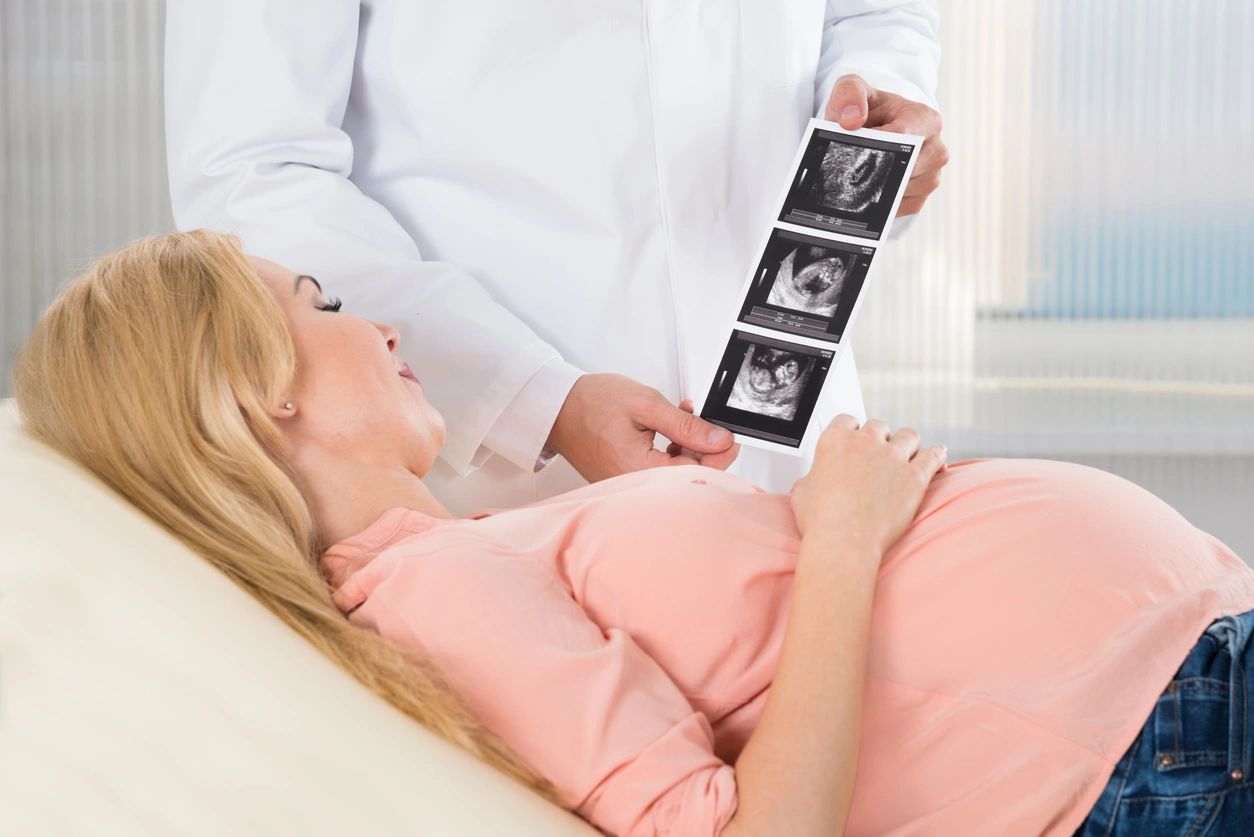
Researchers analyzed data from over 5,000 women who had undergone IVF treatment. The study, published in a peer-reviewed journal, tracked these women over several years to assess their fertility outcomes beyond assisted reproduction. Among the participants, approximately 20% conceived naturally after initially requiring assisted reproductive technologies to have their first child. The study also included data on factors such as age, cause of infertility, and overall health, helping researchers identify trends in who might be more likely to achieve natural conception post-IVF.
One key finding was that younger women and those with unexplained infertility were more likely to conceive naturally after IVF. Conversely, women with more severe underlying conditions, such as diminished ovarian reserve or severe endometriosis, were less likely to experience this outcome. The long-term nature of the study allowed researchers to account for significant life changes and evolving health conditions, making the results robust and comprehensive.
Why Does This Happen?
There are several potential explanations for this phenomenon. For some couples, IVF might address a temporary obstacle, such as blocked fallopian tubes or unexplained infertility. Once that issue is resolved—or even identified—the body may naturally adjust, improving the chances of conceiving without intervention. Furthermore, for couples with unexplained infertility, the process of achieving a first pregnancy may lead to biological changes that make subsequent pregnancies easier.
Interestingly, the study hypothesized that the hormonal treatments and lifestyle changes involved in IVF might “reset” reproductive systems for some women. This “reset” effect could make natural conception more likely in the years following treatment.
What This Means for Families
This discovery offers a glimmer of hope to those who have gone through the emotional and financial challenges of IVF. The possibility of conceiving naturally can reduce the pressure of planning for additional treatments and provide a sense of empowerment over one’s fertility journey. It also underscores the importance of not closing the door on natural conception after undergoing fertility treatments.
Broader Implications for Fertility Care
This study highlights the importance of continued research and patient education in fertility care. For practitioners, it serves as a reminder to provide comprehensive support for patients even after successful IVF cycles. For couples, it’s a nudge to remain open to possibilities—and perhaps, a reminder to keep those ovulation tracking apps handy!
Moving Forward with Optimism
Whether you’re just beginning your fertility journey or have already undergone treatment, this finding is a testament to the resilience of the human body and the unpredictable nature of reproduction. While not everyone may experience natural conception post-IVF, knowing it’s possible adds a layer of hope to the path ahead.
Reference:
Annette Thwaites, Jennifer Hall, Geraldine Barrett, Judith Stephenson. How common is natural conception in women who have had a livebirth via assisted reproductive technology? Systematic review and meta-analysis. Human Reproduction, 2023; DOI: 10.1093/humrep/dead121