We’ve long accepted artificial sweeteners as a “healthier” swap for sugar, especially sucralose, the ubiquitous ingredient in many “sugar-free” products. But a new study is raising genuine concerns about what this sweetener might be doing to male reproductive health. If you’re on a fertility journey—or supporting someone who is—it’s time to take a closer look at what’s hiding in your morning coffee or protein shake.
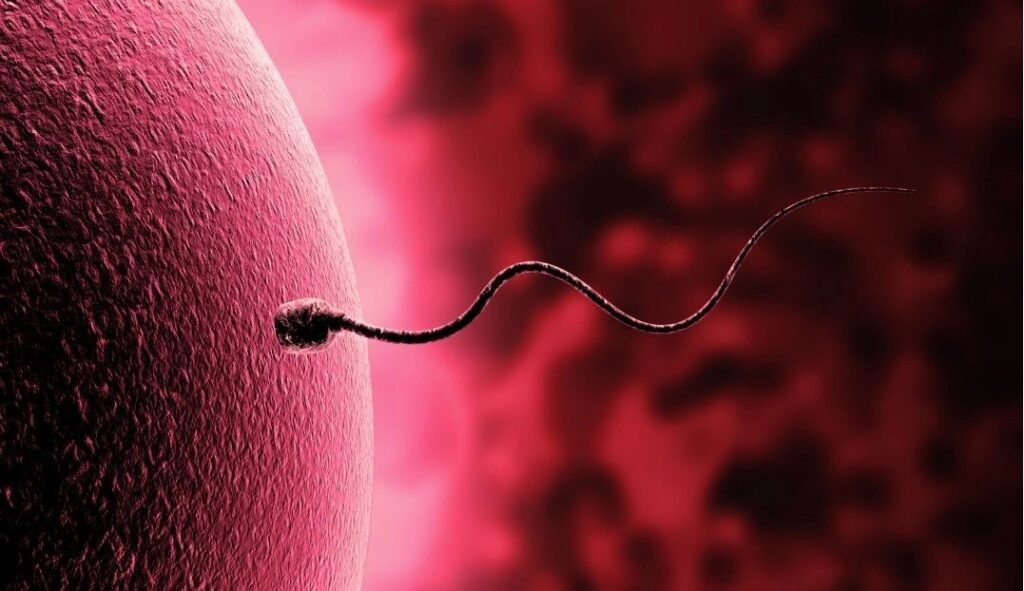
This study took a thorough, two-part approach. First, scientists tested how sucralose affected key cells involved in sperm production. They found that exposure to sucralose reduced cell survival, caused oxidative stress, and interfered with critical cellular processes, such as autophagy—the body’s way of cleaning out damaged parts and maintaining cell health.
But the researchers didn’t stop there. They then examined the effects of daily sucralose administration on male rats over eight weeks. The results were eye-opening. Despite no changes in weight or liver and kidney function, the animals had smaller testicles and epididymides, lower testosterone and LH levels, poorer sperm quality, and visible damage to the sperm-producing tissues. Sperm were less viable, more abnormally shaped, and showed signs of DNA damage.
Although this was an animal study, it raises valid concerns about a food additive many of us consume daily without a second thought. The doses tested ranged from levels similar to those deemed acceptable in humans to much higher ones, and the fact that adverse effects appeared even at the lower doses is noteworthy. The researchers also noted that sucralose appeared to persist in the environment and body longer than expected, raising concerns about potential chronic exposure.
If you’re trying to conceive, it may be time to rethink your sweetener strategy. While occasional use of sucralose is unlikely to cause major harm, this study suggests that regular, long-term consumption could interfere with key hormonal and cellular processes related to fertility—especially in men. And since male fertility is half the equation, it’s worth optimizing every factor within our control.
Consider reaching for natural alternatives like stevia, raw honey, or just reducing your need for added sweeteners altogether. Even small shifts in daily habits—especially in something as simple as what you stir into your drink—can make a meaningful difference over time.
This study contributes to a growing body of evidence that lifestyle choices, including what we eat and drink, have a direct impact on our fertility. When we understand the science behind these choices, we empower ourselves to take action that aligns with our health goals. As always, the journey to a healthy pregnancy starts well before conception, and every little choice counts.
Let’s choose wisely.
Reference:
Chiang, Wan-Ling, You-Lin Tain, Kuan-Hao Tsui, Pao-Hsuan Huang, Hsin-Ying Clair Chiou, Nasser H. Zawia, and Chien-Ning Hsu. “Exposure to Sucralose and Its Effects on Testicular Damage and Male Infertility: Insights into Oxidative Stress and Autophagy.” Environmental Health Perspectives 133, no. 5 (May 2025): 057005. https://doi.org/10.1289/EHP15919
Dr Marina OBGYN