What if we could stop PCOS from being passed down?
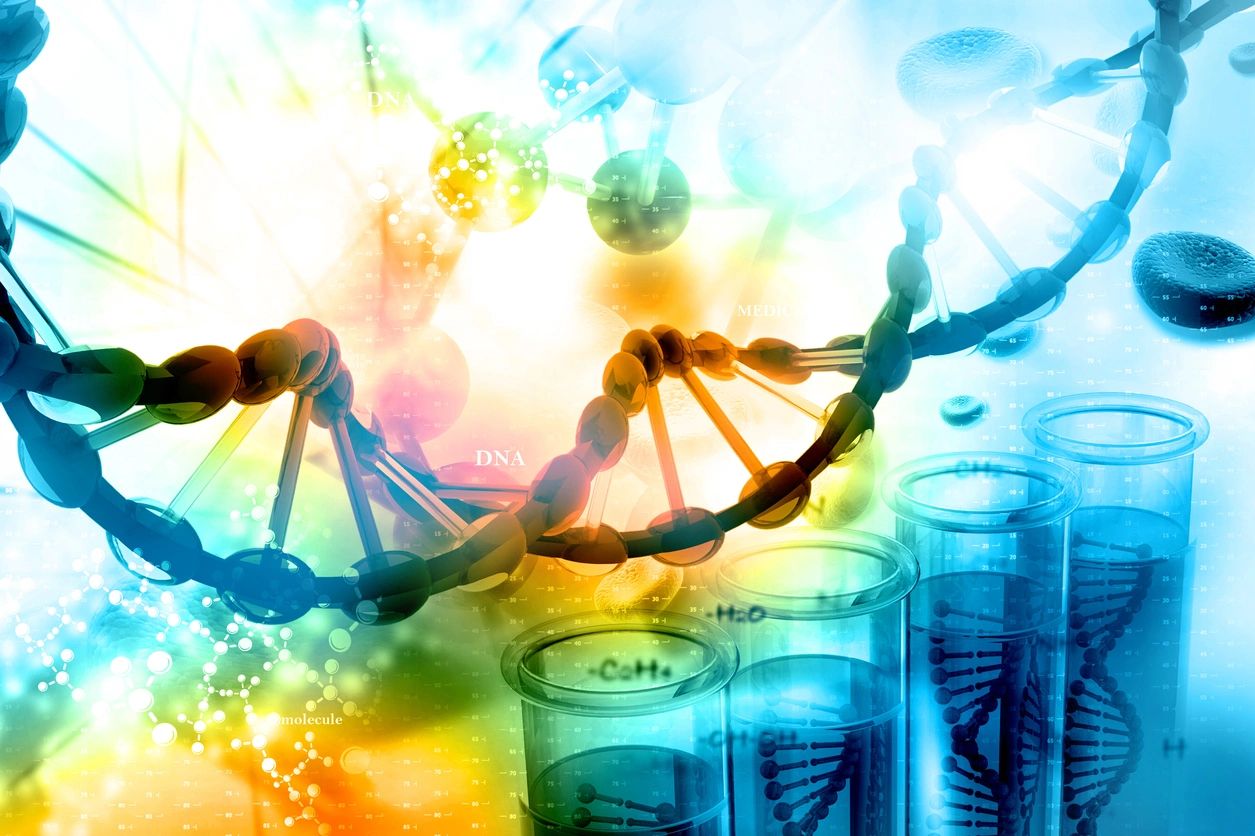
Polycystic Ovary Syndrome (PCOS) is one of the most common hormonal disorders in women of reproductive age, affecting up to 1 in 10. But here’s something we rarely talk about: PCOS doesn’t just affect one generation. There’s growing evidence that it can be inherited, not just genetically, but also epigenetically—through chemical changes on our DNA that control how genes are expressed.
A recent study published in Cell Research titled “Caloric restriction prevents inheritance of polycystic ovary syndrome through oocyte-mediated DNA methylation reprogramming” explores just that—and offers a surprising, hopeful insight.
The study: Can diet in mothers prevent PCOS in daughters?
Researchers used a well-established mouse model of PCOS, in which female mice develop PCOS-like features after exposure to high levels of androgens (male hormones). These features include irregular ovulation, hormonal imbalance, and metabolic dysfunction.
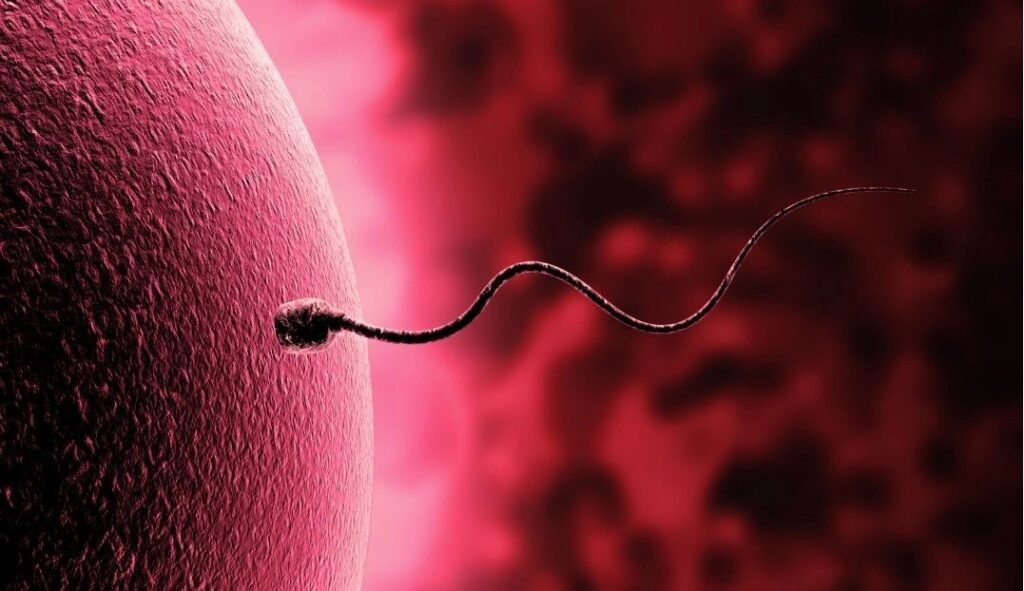
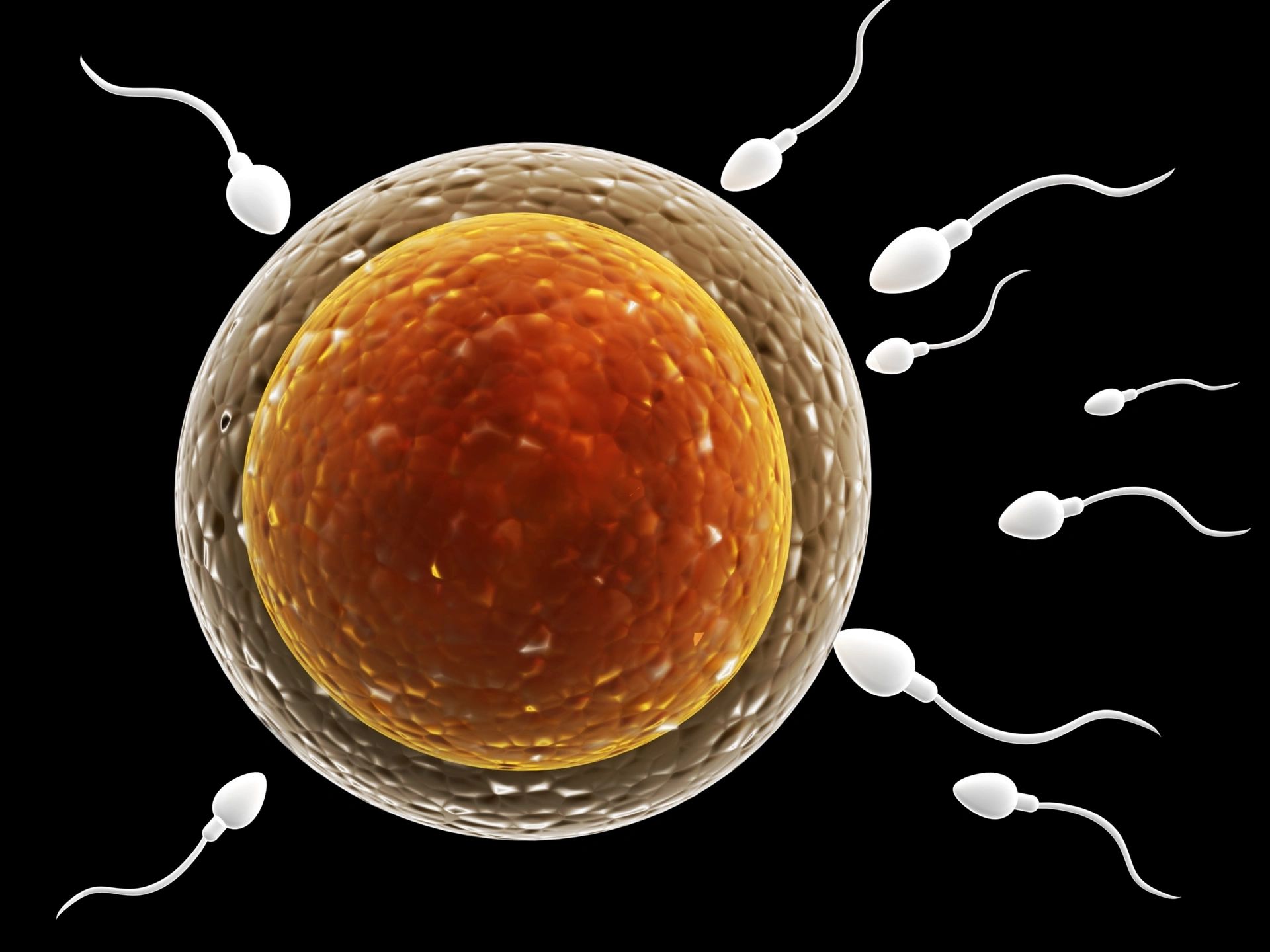
What’s fascinating is that the offspring of these PCOS mice also developed similar symptoms, despite never being directly exposed to the hormonal trigger. The reason? Epigenetic changes in the eggs (oocytes) of the PCOS mothers, particularly in the form of DNA methylation, altered how genes essential for hormone regulation and metabolism were switched on or off.
But here’s the twist.
When the PCOS-affected female mice were placed on a calorie-restricted diet before conception, their offspring did not develop PCOS-like symptoms. Their oocytes showed a reversal of the abnormal DNA methylation patterns, essentially resetting the reproductive clock.
Epigenetics and oocyte health: the missing link
The researchers pinpointed that this preventive effect was mediated by changes in the epigenetic machinery inside the egg itself, not just in the uterus, hormones, or body weight. In other words, the mother’s diet before pregnancy directly affected how her eggs encoded information about reproductive health.
That’s revolutionary.
It means that by addressing lifestyle and metabolic factors in the preconception period, we may be able to break the cycle of inherited reproductive disorders—something that conventional genetic models couldn’t fully explain.
What this means for humans: hope, not hype
Of course, mouse studies don’t always translate directly to humans, but this one gives us a powerful clue. PCOS tends to run in families, and many women with PCOS worry about whether their daughters might inherit the same struggles. This research suggests that metabolic health before conception—even before fertility treatment—is more important than we thought.
Could personalized nutrition or caloric modulation before pregnancy improve the health of future generations? It’s too early to recommend calorie restriction for all. Still, this work lays the groundwork for new fertility strategies that go beyond treating symptoms and start rewriting the legacy of PCOS at its source: the egg.
The takeaway: Fertility starts before fertilization
As someone deeply involved in helping individuals optimize fertility naturally, I find this research incredibly affirming. It reminds us that reproductive health isn’t just about eggs and hormones—it’s also about the cellular memory we pass on. And that memory can be rewritten.
Supporting women with PCOS isn’t just about helping them ovulate—it’s about giving them the knowledge and tools to change the story for the next generation.
Reference:
Liu, Yue, Yi Dong, Yonghui Jiang, Shan Han, Xin Liu, Xin Xu, Aiqing Zhu, Zihe Zhao, Yuan Gao, Yang Zou, Chuanxin Zhang, Yuehong Bian, Yuqing Zhang, Jiang Liu, Shigang Zhao, Han Zhao, and Zi-Jiang Chen. “Caloric Restriction Prevents Inheritance of Polycystic Ovary Syndrome through Oocyte-Mediated DNA Methylation Reprogramming.” Cell Research, published online July 3, 2024. https://doi.org/10.1016/j.cmet.2025.01.014
Dr Marina OBGYN