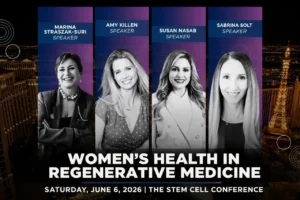
I recently had the privilege of speaking at The Stem Cell Conference alongside some of the most innovative physicians and practitioners in regenerative medicine. It was both an honor and a pleasure to present on a topic that I am deeply passionate about: Regenerative Medicine for Women’s Sexual Dysfunction.
As a physician who has spent more than 35 years caring for women, I have witnessed firsthand how often concerns related to sexual health are overlooked, minimized, or accepted as an inevitable consequence of aging. Yet for many women, symptoms such as vaginal dryness, pain with intercourse, decreased arousal, and reduced sexual satisfaction can have a profound impact on quality of life, relationships, and overall well-being.
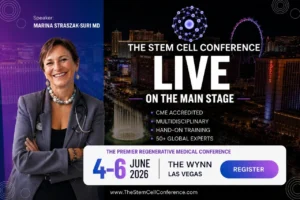
What made this conference particularly exciting was the opportunity to learn from experts working across many different areas of regenerative medicine. Over three days, presentations explored subjects ranging from stem cell science and orthobiologics to cardiovascular regeneration, longevity medicine, aesthetic restoration, brain health, photobiomodulation, hyperbaric oxygen therapy, exosomes, peptides, and women’s health.
One of the most inspiring aspects of the meeting was seeing how regenerative approaches are being applied throughout the body. Whether treating joint injuries, cardiovascular disease, neurodegenerative conditions, hair loss, skin aging, women’s health concerns, or reproductive health, a common theme emerged: supporting the body’s innate ability to heal and regenerate.
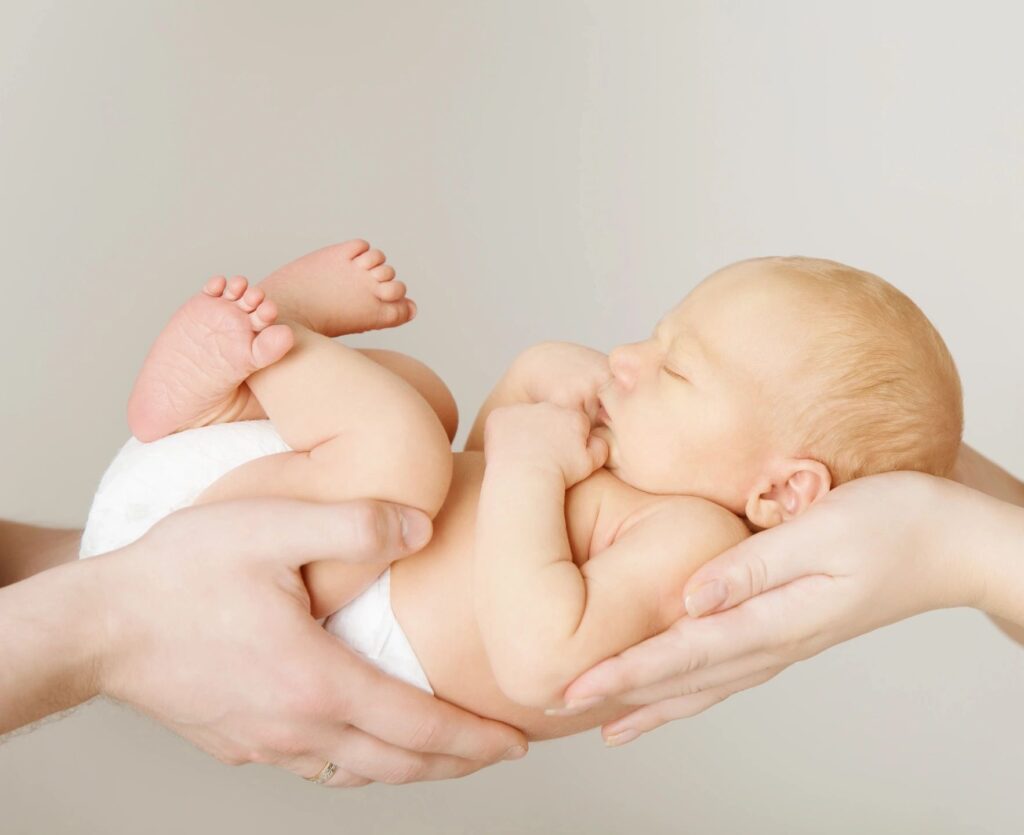
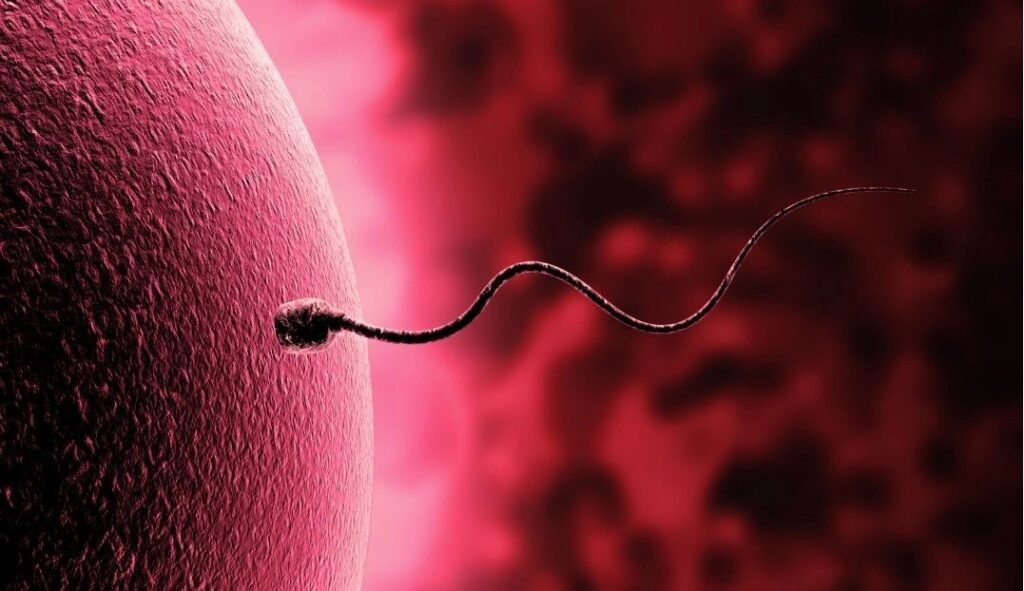
Particularly exciting for me was the discussion surrounding ovarian rejuvenation, an emerging area of research with significant implications for fertility. As women increasingly delay childbearing and concerns about declining ovarian reserve become more common, researchers are exploring innovative approaches aimed at improving ovarian function and enhancing reproductive potential. While many of these therapies remain investigational and require further study, the concept of restoring or rejuvenating ovarian tissue represents one of the most fascinating frontiers in reproductive medicine. For those of us dedicated to helping individuals and couples achieve healthy pregnancies, the potential future applications are both exciting and encouraging.
The field of regenerative medicine is advancing rapidly. While some applications are already supported by encouraging evidence, many others remain areas of active research. What excites me most is the spirit of scientific curiosity that brought this group together. The discussions were thoughtful, evidence-based, and focused on improving patient outcomes.
I particularly enjoyed connecting with fellow practitioners who share a commitment to exploring innovative therapies while maintaining a strong foundation in science and patient safety. Conferences like this remind me of the importance of collaboration. Some of the most meaningful advances in medicine occur when physicians from different specialties come together, share experiences, challenge assumptions, and learn from one another.
My presentation on women’s sexual health generated thoughtful discussions about the growing role of regenerative therapies in addressing conditions that have traditionally had limited treatment options. As research continues to evolve, I am hopeful that women will have access to more effective, personalized solutions that help restore function, confidence, and quality of life.
Several conversations at the conference focused on the future of fertility care and how regenerative medicine may eventually complement existing reproductive treatments. Topics such as ovarian rejuvenation, stem cell therapies, platelet-rich plasma (PRP), exosomes, and other regenerative approaches are generating considerable interest among clinicians and researchers. While much work remains to establish efficacy and long-term outcomes, these developments highlight the growing intersection between regenerative medicine and fertility care—a field I will continue to follow closely as the science evolves.
Beyond the lectures and workshops, it was the conversations between sessions that were often the most valuable. Meeting practitioners from diverse backgrounds, exchanging ideas, and hearing about their clinical experiences reinforced how much we can learn from one another when we remain open-minded and patient-focused.
I left the conference energized, inspired, and optimistic about the future of regenerative medicine. The potential to improve health, restore function, and enhance quality of life across so many areas of medicine is remarkable.
Most importantly, I was reminded that medicine continues to evolve. The best physicians never stop learning.
I am grateful to the conference organizers, faculty, and attendees for creating such a stimulating educational experience. It was a pleasure to contribute to the conversation and to be part of a community dedicated to advancing the future of patient care.
As someone who has spent much of my career helping patients achieve healthy pregnancies, I was encouraged to see fertility increasingly included in the regenerative medicine conversation. While there is still much to learn, the possibility of harnessing the body’s own regenerative potential to improve reproductive health represents an exciting new chapter in women’s medicine.
The future of regenerative medicine is bright, and I look forward to continuing this journey of discovery, innovation, and collaboration.
Dr Marina OBGYN