
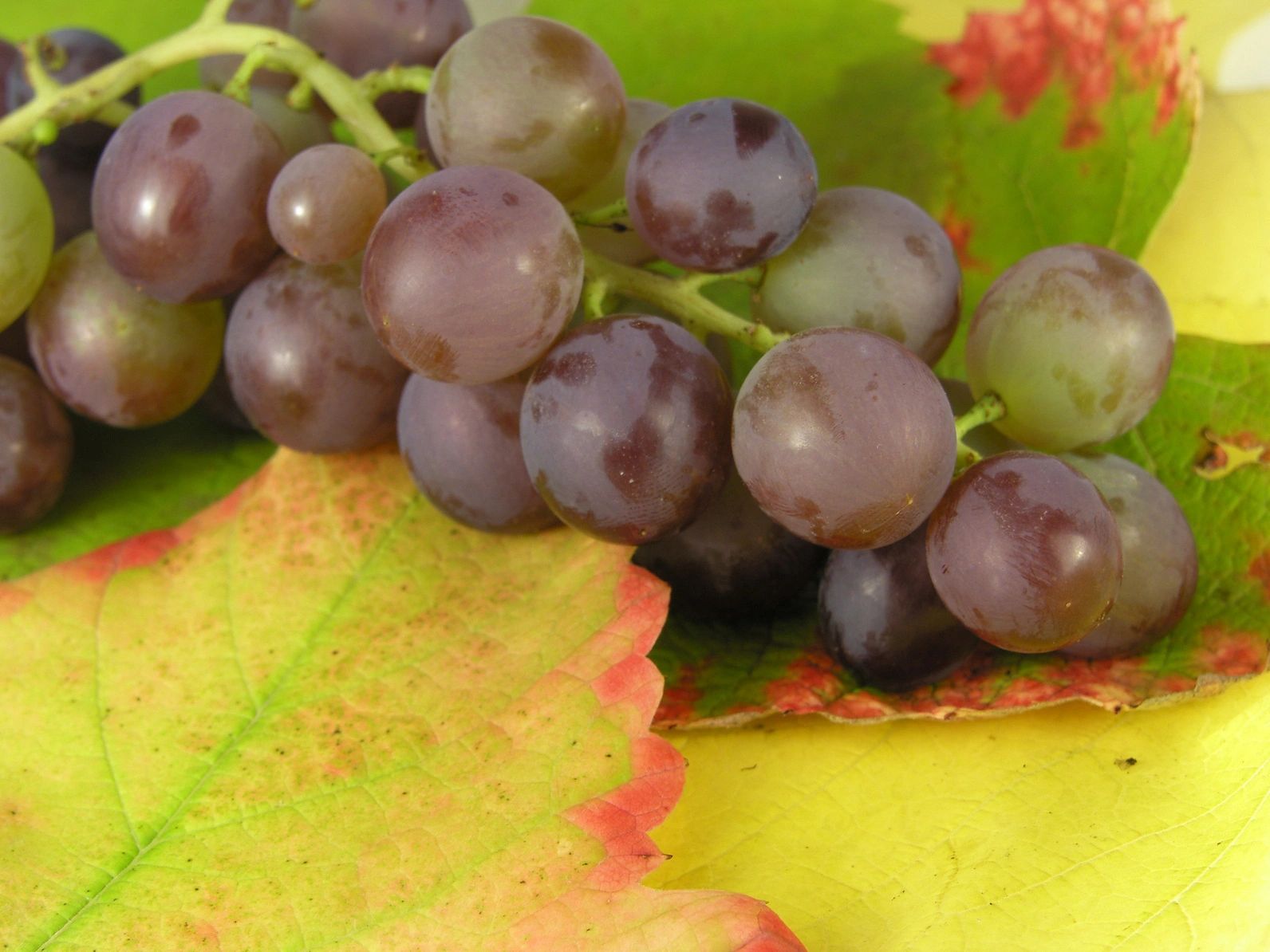
In a recent systematic review published in the International Journal of Molecular Sciences, researchers explored the potential effects of resveratrol—a natural compound found in foods like grapes and berries—on female fertility. The study aimed to compile and assess existing scientific literature to determine how resveratrol might influence female reproductive health.
Overview of the Systematic Review:
The review encompassed 24 studies, comprising both in vivo (human and animal) and in vitro (cellular) research. Of these, nine studies involved women seeking natural or assisted fertility treatments, while fifteen were in vitro studies focusing on human cells and tissues at various stages of the reproductive process.
Key Findings from Human Studies:
- Ovarian Function: Several studies indicated that resveratrol supplementation might enhance ovarian function. For instance, some research reported an increase in the number of mature oocytes (egg cells) retrieved during fertility treatments, suggesting improved ovarian response.
- Polycystic Ovary Syndrome (PCOS): In cases of PCOS, resveratrol demonstrated potential benefits by modulating pathways involved in androgen production, thereby reducing excessive androgen levels—a common issue in PCOS patients. This modulation could lead to improved menstrual regularity and ovulatory function.
Insights from In Vitro Studies:
- Mitochondrial Function: In vitro studies revealed that resveratrol might enhance mitochondrial activity in granulosa cells, which are crucial for oocyte development. By activating specific molecular pathways, resveratrol increased mitochondrial membrane potential and ATP production, suggesting a role as an energy enhancer for these cells.
- Antioxidant Properties: Resveratrol exhibited significant antioxidant effects, reducing oxidative stress in reproductive cells. This reduction in oxidative damage is vital, as oxidative stress can impair oocyte quality and overall reproductive function.
Considerations and Future Directions:
While the findings are promising, the review emphasizes the need for caution. The majority of studies to date have been conducted in vitro or in animal models, with limited human clinical trials available. There’s also a lack of consensus on optimal dosing and long-term safety of resveratrol supplementation. Therefore, while resveratrol appears to have potential as a complementary approach to supporting female fertility, more rigorous human trials are necessary to establish definitive conclusions.
In summary, resveratrol’s antioxidant and anti-inflammatory properties may offer benefits for female reproductive health, particularly concerning ovarian function and conditions like PCOS. However, until more comprehensive human studies are conducted, it’s essential to approach supplementation with caution and consult with healthcare professionals when considering resveratrol as part of a fertility regimen.
Reference
Bertoldo, A., Pizzol, D., Yon, D.K., Callegari, M., Gobbo, V., Cuccurese, P., Butler, L., Caminada, S., Stebbing, J., Richardson, F., Gawronska, J., & Smith, L. (2024). Resveratrol and Female Fertility: A Systematic Review. International Journal of Molecular Sciences, 25(23), 12792. https://doi.org/10.3390/ijms252312792
Dr Marina OBGYN