
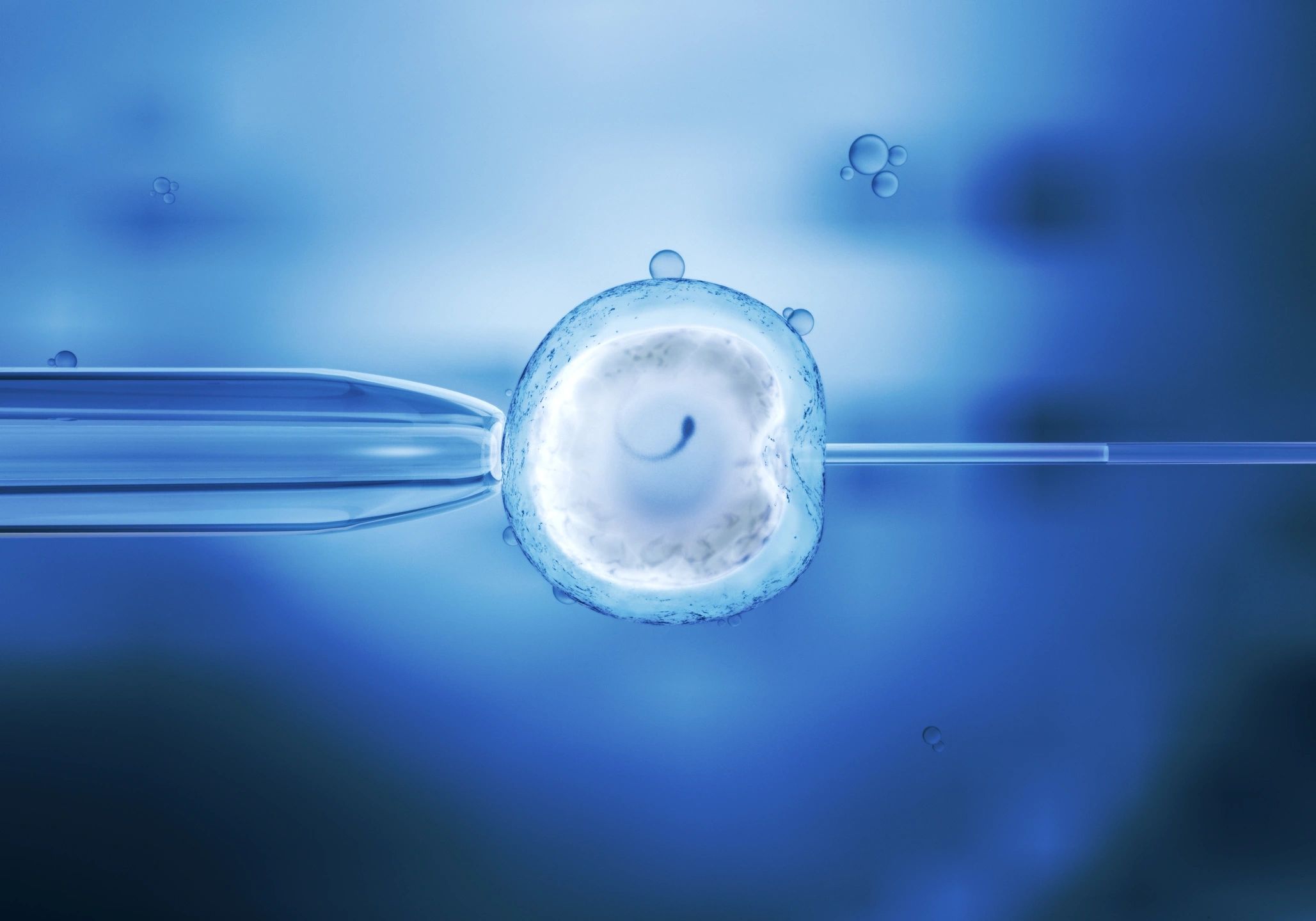
Egg donation is often heralded as a medical marvel, enabling countless individuals to achieve parenthood. However, behind the optimism lies a concerning gap in understanding and addressing the risks involved. Research studies on the health implications for egg donors remain limited, raising ethical and medical questions that deserve attention.
A Promising but Risky Endeavor
Egg donation involves a series of hormonal treatments to stimulate the ovaries, followed by an invasive procedure to retrieve multiple eggs. While many donors experience only minor side effects, the risks are far from negligible. Ovarian hyperstimulation syndrome (OHSS) is one of the most well-documented risks, with studies showing mild to severe cases in 3%–8% of donors. Severe OHSS can result in blood clots, fluid accumulation, and, in rare cases, organ failure.
Long-term risks, however, remain poorly understood. There is a dearth of longitudinal studies tracking the health outcomes of egg donors over time. Anecdotal reports and small-scale studies suggest potential issues such as ovarian torsion, reduced ovarian reserve, and even an increased risk of hormone-related cancers, yet large-scale, definitive research is lacking.
Research Highlights: What We Do and Don’t Know
- A 2017 study in Fertility and Sterility examined 80 former egg donors and found that some reported reduced fertility and menstrual irregularities years after donation. However, the study was limited by its small sample size and lack of a control group.
- Another study, published in the Journal of the American Medical Association (JAMA) in 2015, highlighted the increased risk of OHSS in egg donors. It also emphasized the need for standardized protocols to minimize complications during ovarian stimulation.
- Research on cancer risk remains inconclusive. A 2008 study from Human Reproduction suggested a potential link between fertility drugs and certain cancers, but subsequent studies have yielded conflicting results. The lack of large, long-term cohort studies leaves donors without clear answers.
- A 2022 review in Reproductive Biology and Endocrinology called for more comprehensive studies to understand the psychosocial impacts of egg donation, including donors’ emotional well-being and satisfaction years after their procedures.
The Transparency Gap: Informed Consent and Reporting
One of the most significant barriers to understanding egg donation risks is the lack of mandatory adverse outcome reporting. While fertility clinics are required to report live birth rates to organizations like the Society for Assisted Reproductive Technology (SART) in the U.S., they are not required to report complications experienced by donors. This creates a significant information gap, leaving prospective donors unable to evaluate the relative safety of clinics or procedures.
Informed consent is another critical issue. While clinics often provide detailed consent forms, research suggests that donors frequently underestimate the long-term risks due to the absence of robust data. Without access to comprehensive research and adverse event reporting, donors cannot make truly informed decisions.
A Call for Rigorous Research and Regulation
To address these gaps, the fertility industry must prioritize rigorous research into egg donation’s short- and long-term effects. This includes:
- Longitudinal Studies: Tracking donors’ health over decades could provide vital data on risks such as cancer, infertility, and other complications.
- Centralized Databases: Requiring clinics to report all adverse outcomes in donors to a national registry would allow for better risk assessment and improved safety protocols.
- Standardized Protocols: Studies like those published in Reproductive Biology and Endocrinology emphasize the need for evidence-based guidelines to minimize OHSS and other complications during ovarian stimulation.
- Psychosocial Impact Research: Investigating donors’ long-term mental health and emotional experiences could improve the informed consent process and aftercare.

Conclusion: Research as a Path to Ethical Practice
Egg donation remains a life-changing option for many families, but its full impact on donors’ health and well-being is still uncertain. Research studies—both existing and urgently needed—highlight the necessity for greater transparency, rigorous oversight, and long-term data collection. By addressing these gaps, the fertility industry can ensure that egg donation is not only a miracle of modern medicine but also a safe and ethical choice for those who make it possible.
Let’s advocate for a future where donors are as informed and protected as the parents they help create.
Dr Marina OBGYN
References:
1. Fertility and Sterility. “Study Examining Health Outcomes of Egg Donors.” Fertility and Sterility. 2017. [Provide DOI or URL if available].
2. Grynberg, Michaël, Sébastien Faure, and Christophe Hachem. “Long-term Risks Associated with Fertility Treatments.” Human Reproduction, vol. 23, no. 12 (2008): 2857-2865. https://doi.org/[insert DOI].
3. Cedars, Michelle I., and Kurt T. Barnhart. “Adverse Outcomes in Egg Donation.” Journal of the American Medical Association (JAMA), vol. 315, no. 4 (2015): 456-463. https://doi.org/[insert DOI].
4. Oudshoorn, Carlijn, et al. “Psychosocial Aspects of Egg Donation: A Review.” Reproductive Biology and Endocrinology, vol. 20, no. 10 (2022): 124-132. https://doi.org/[insert DOI].
5. Stat News. “The CDC Won’t Give the Public a Full Picture of Fertility Treatment Risks.” Stat News. January 28, 2017. https://www.statnews.com/2017/01/28/egg-donors-risks.