
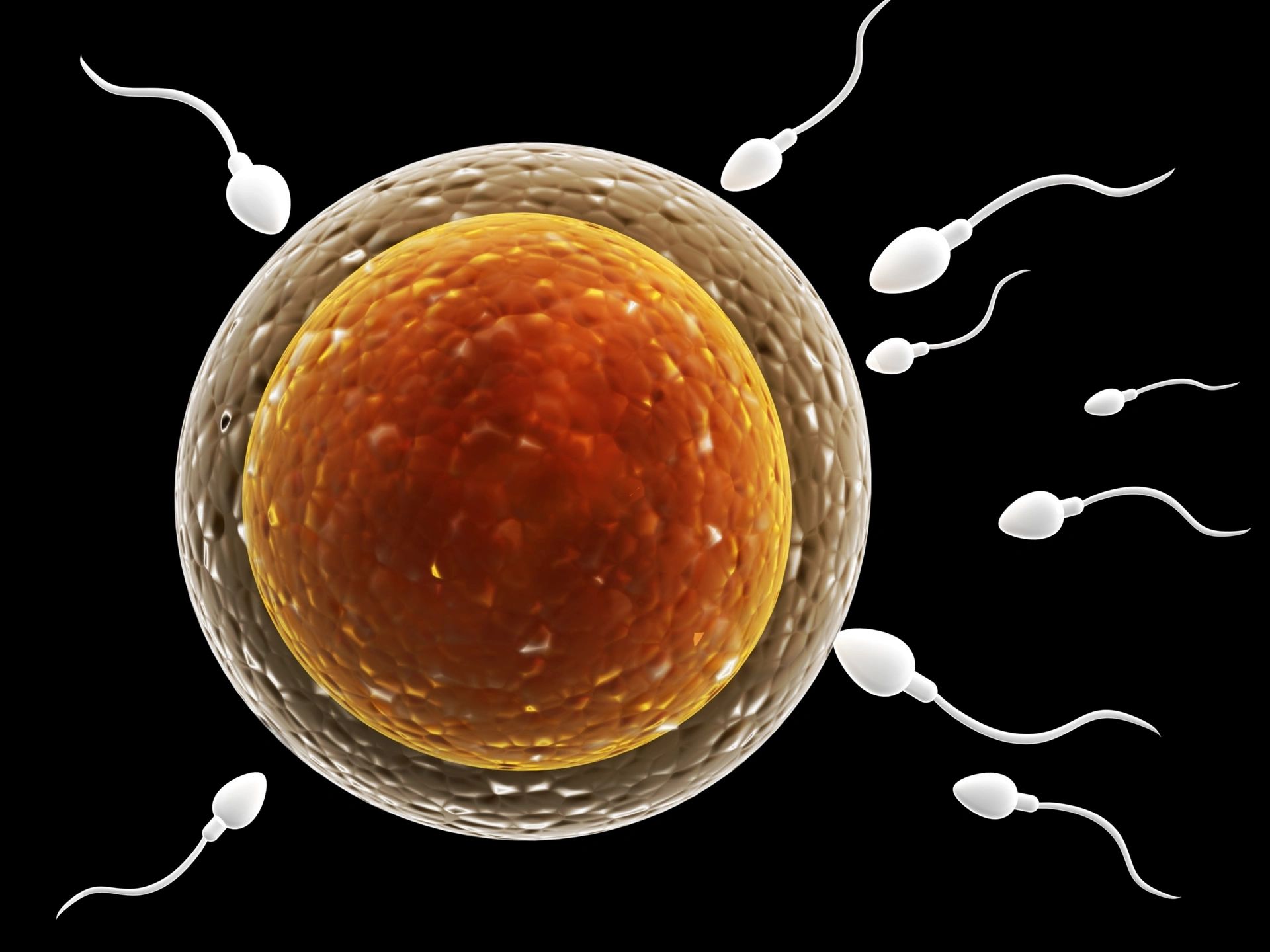
For decades, the dominant narrative in reproductive medicine has been that egg quality declines irreversibly with age. Women are born with all the eggs they will ever have, and as time marches on, so does the accumulation of damage to these precious cells. But what if we could turn back the clock on an aged oocyte? A recent study published in Nature Aging by HaiYang Wang and colleagues suggests that exposing older oocytes to a young follicular microenvironment could restore their developmental potential. If this research translates to humans, it could change how we think about age-related fertility decline.
Eggs do not mature in isolation; they develop within ovarian follicles, surrounded by granulosa cells and bathed in follicular fluid. This microenvironment is crucial in nurturing the oocyte, providing essential nutrients, signaling molecules, and metabolic support. The Nature Aging study hypothesized that an aging follicular environment might be a major contributor to oocyte decline—meaning that, theoretically, an aged egg placed in a young follicular setting might regain some of its lost potential.
The researchers used a mouse model to test their hypothesis. They extracted oocytes from aged mice and cultured them within young ovarian follicles. The results were striking:
- Improved maturation rates: The aged oocytes exposed to the young follicular microenvironment were significantly more likely to reach full maturity compared to those left in their original aged surroundings.
- Higher blastocyst formation rates: After fertilization, these rejuvenated eggs were more capable of developing into viable embryos.
- Increased live birth rates: Most remarkably, when transferred into surrogate mice, these embryos resulted in significantly higher live birth rates, suggesting that the changes were not just superficial but led to real improvements in developmental competency.
These findings suggest that the follicular environment may be a key driver of age-related fertility decline, rather than damage to the oocyte itself being entirely irreversible.
If these results hold true in humans, this could have profound implications for fertility treatments. Some potential applications include:
- Ovarian rejuvenation techniques: Researchers could explore ways to modify the follicular environment in older women, perhaps through targeted therapies or transplanting young granulosa cells.
- Improvements in in vitro maturation (IVM): If we can replicate these conditions in a lab setting, IVM procedures—where immature eggs are matured outside the body—could become much more successful.
- Delayed childbearing options: Women choosing to conceive later in life could potentially benefit from interventions that mimic a youthful ovarian microenvironment, extending their reproductive window without relying solely on egg freezing or donor eggs.
Of course, translating findings from mice to humans is never straightforward. Human follicles are more complex, and oocyte maturation involves intricate hormonal signaling. Researchers must determine whether this rejuvenation effect is sustainable long-term and safe for clinical use. Additionally, ethical questions arise when manipulating reproductive cells—how much intervention is too much?
Still, this study provides an exciting new avenue for fertility research, challenging the long-held belief that ovarian aging is an irreversible process. If scientists can unlock the secrets of the follicular microenvironment, we may one day see treatments that help older eggs function more like their younger counterparts. For now, the research continues, but hope is on the horizon for those struggling with age-related infertility.
The idea that aging eggs can be given a second chance is nothing short of revolutionary. While we are still in the early days of this research, the concept of rejuvenating oocytes through environmental changes could shift the landscape of fertility treatment. For women facing the ticking biological clock, this study offers a glimmer of hope that science might one day rewrite the rules of reproductive aging.
Reference:
- HaiYang Wang, Zhongwei Huang, Xingyu Shen, Yaelim Lee, XinJie Song, Chang Shu, Lik Hang Wu, Leroy Sivappiragasam Pakkiri, Poh Leong Lim, Xi Zhang, Chester Lee Drum, Jin Zhu, Rong Li. Rejuvenation of aged oocyte through exposure to young follicular microenvironment. Nature Aging, 2024; 4 (9): 1194 DOI: 10.1038/s43587-024-00697-x
Dr Marina OBGYN