When we think about stress and fertility, it’s usually in a negative light. We often hear that stress can interfere with hormone balance, reduce libido, and even impact ovulation. For men, stress is commonly associated with a decline in sperm quality. However, a fascinating new study published in Nature Communications flips the script a little: stress might actually enhance certain aspects of sperm function—specifically, their motility and respiration.
Researchers from the University of Pennsylvania, led by Tracy Bale and colleagues, investigated how stress affects sperm in both mice and men. Their findings suggest that stress increases sperm motility and cellular respiration, which could theoretically improve the sperm’s ability to reach and fertilize an egg. This is a surprising twist that adds nuance to our understanding of how stress impacts male fertility.
Mouse Model
The researchers subjected male mice to a 21-day chronic variable stress protocol. This involved exposing the mice to unpredictable stressors, such as cage tilting, noise disturbances, and damp bedding, to simulate real-life stress variability. After the stress period, the researchers collected and analyzed sperm from the cauda epididymis. They assessed sperm motility using computer-assisted sperm analysis (CASA) and measured mitochondrial respiration with high-resolution respirometry.
Human Component
In the human portion of the study, sperm samples were obtained from men who self-reported their perceived stress levels using validated psychological scales. The sperm samples were evaluated for motility and mitochondrial function using similar analytical techniques as those applied to the mice. This allowed the researchers to compare findings across species and strengthen the biological relevance of their results.
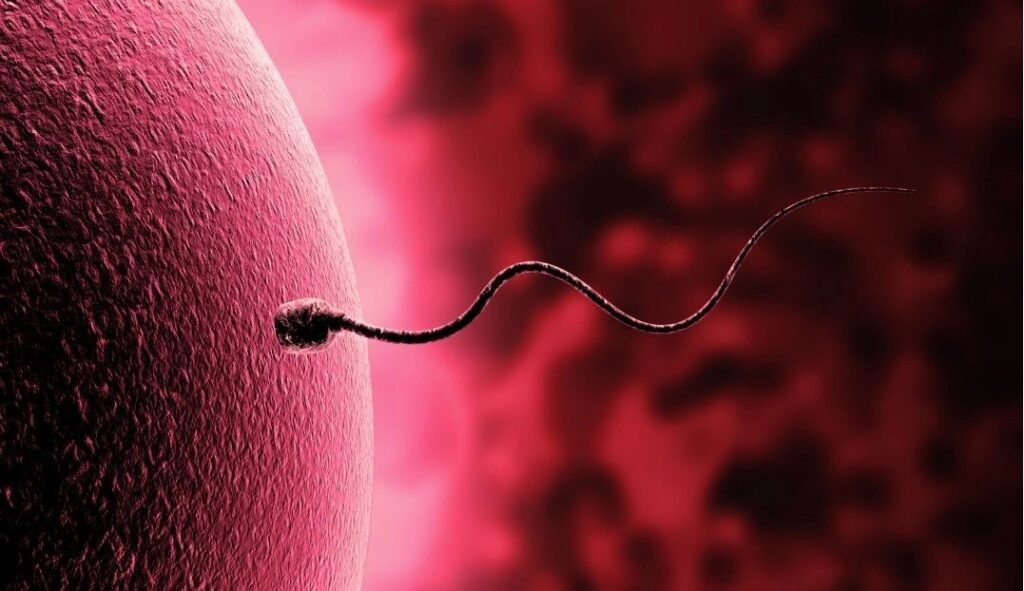
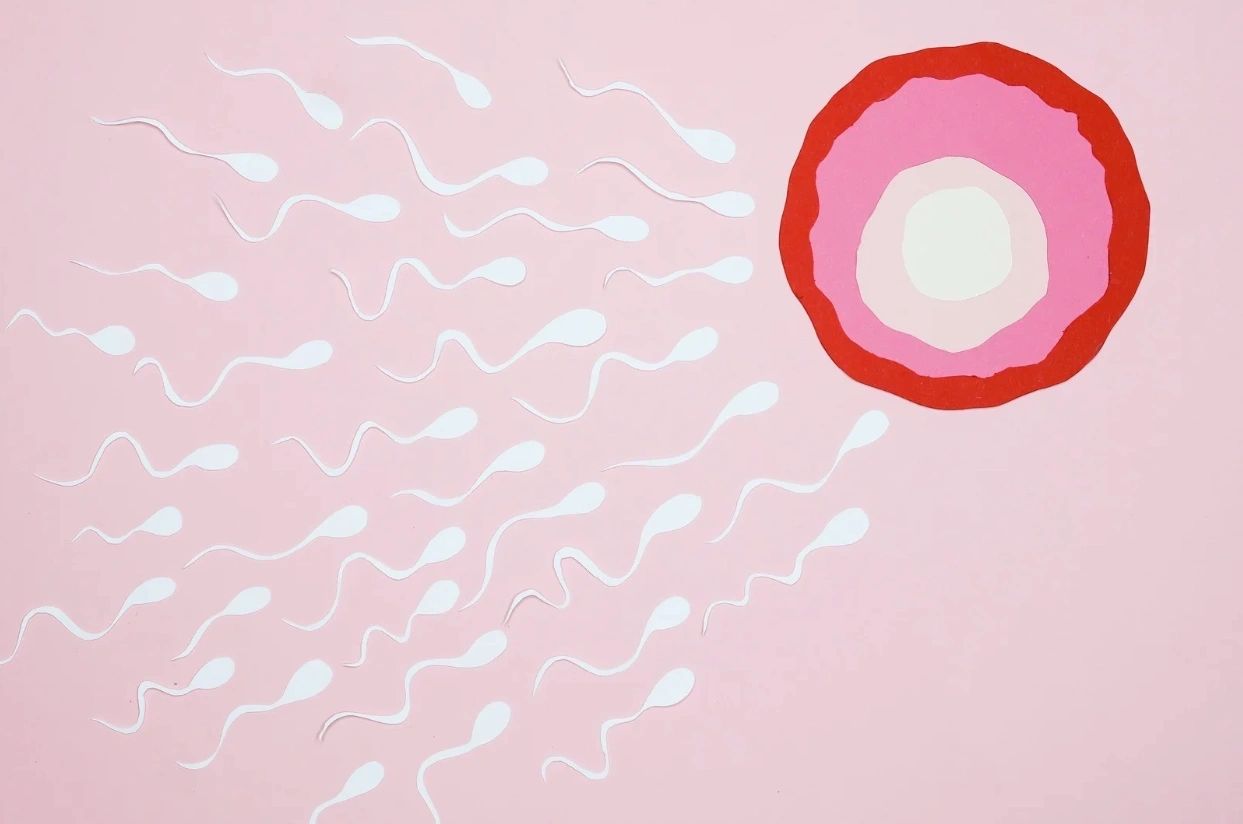
The researchers found that the stressed mice had sperm with increased motility (the ability to swim) and higher mitochondrial respiration (the sperm’s energy production system). These changes suggest that stress might prime sperm for a more energetic journey toward the egg.
To see if these findings held true in humans, the team also analyzed sperm samples from men who self-reported experiencing stress. The results were similar: stressed men had sperm with increased motility and respiration.
This doesn’t mean stress is suddenly a fertility booster, but it does suggest the relationship between stress and sperm function is more complex than we thought.
From an evolutionary standpoint, this makes some sense. In stressful environments, the body may prioritize reproduction to ensure survival. If a male is under threat or experiencing hardship, it could signal that now is the time to reproduce in case the future becomes even more uncertain.
This aligns with other animal research showing that stress can sometimes enhance reproductive behaviors in harsh environments. The increased motility and energy production could give sperm an advantage when competition is high or conditions are challenging.
Not exactly. While the study found that stress can enhance certain sperm functions, it doesn’t negate the broader body of research showing that chronic stress can also harm fertility. Long-term stress is still associated with hormonal disruptions, reduced sperm count, DNA fragmentation, and other issues that can impair fertility.
Think of it this way: stress might give sperm a short-term performance boost, but it could still undermine overall reproductive health in the long run. It’s a bit like pushing the gas pedal hard on a car with engine problems—you might go faster for a while, but you risk burning out the system.
If you’re trying to conceive, this study is more of a reminder that the relationship between stress and fertility is complex. Occasional stress is part of life, and it might not be as damaging to male fertility as we often fear. However, chronic, unrelenting stress can still pose a problem.
The key takeaway? Focus on overall well-being. Managing stress through exercise, sleep, and relaxation techniques can support fertility, but you don’t need to panic over every stressful day. Your body, and your sperm, are more adaptable than we sometimes give them credit for.
Fertility research continues to reveal just how dynamic and resilient our reproductive systems are. This study adds another layer to our understanding of male fertility, showing that stress doesn’t always have a one-size-fits-all negative impact. Instead, it can sometimes trigger adaptive changes that improve sperm function—at least in the short term.
So, while reducing stress is still a good goal for your overall health and fertility, it’s comforting to know that your body might be giving your sperm a little extra power boost when times get tough. Science never fails to keep us on our toes!
Reference:
- Nickole Moon, Christopher P. Morgan, Ruth Marx-Rattner, Alyssa Jeng, Rachel L. Johnson, Ijeoma Chikezie, Carmen Mannella, Mary D. Sammel, C. Neill Epperson, Tracy L. Bale. Stress increases sperm respiration and motility in mice and men. Nature Communications, 2024; 15 (1) DOI: 10.1038/s41467-024-52319-0
Dr Marina OBGYN