
The health of the endometrium—the lining of the uterus—is crucial for successful conception and pregnancy. Recent research has shed light on two conditions that can disrupt this delicate environment: chronic endometritis (CE) and endometrial dysbiosis (ED). While these conditions are often discussed concerning assisted reproductive technologies like IVF, they also have significant implications for natural conception. Understanding their prevalence, diagnostic challenges, and potential treatments is essential for couples trying to conceive.
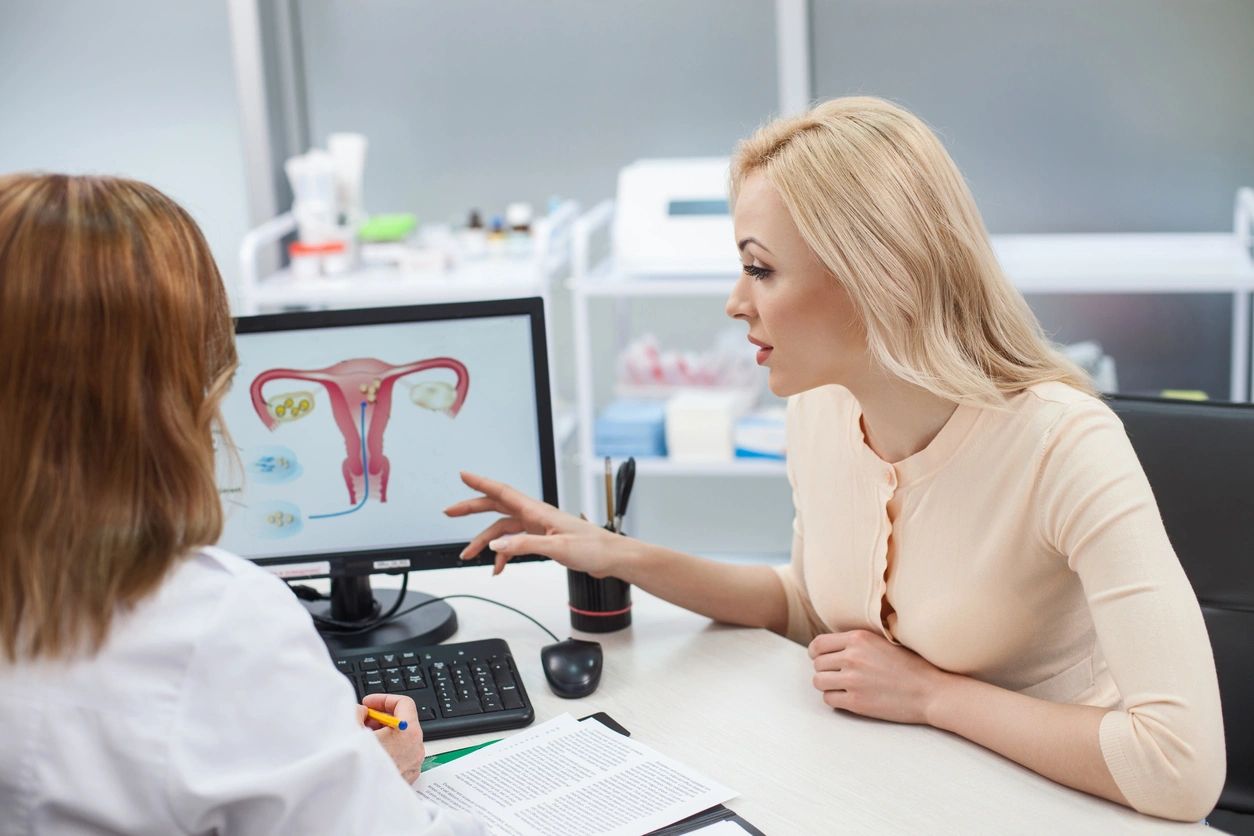
What Are Chronic Endometritis and Endometrial Dysbiosis?
Chronic endometritis is a persistent inflammation of the endometrial lining, often caused by bacterial infections. This inflammation can interfere with the endometrium’s ability to support embryo implantation, leading to fertility challenges and increased miscarriage risks.
Endometrial dysbiosis refers to an imbalance in the microbial community of the endometrium. A healthy endometrial microbiota is typically dominated by Lactobacillus species, which help maintain an environment conducive to implantation. When pathogenic bacteria outcompete beneficial ones, the resulting dysbiosis can negatively impact fertility.
How Common Are These Conditions?
The prevalence of CE and ED varies depending on the population studied:
- General Population: Studies report CE prevalence rates between 15.6% and 24.4% among premenopausal women undergoing hysteroscopy and biopsy (Bouet et al. 2016).
- Infertile Women: CE is diagnosed in approximately 56.8% of infertile women, a rate twice as high as in fertile women (Cicinelli et al. 2018).
- Recurrent Implantation Failure (RIF): CE prevalence ranges from 14% to 67.5% in women who have undergone multiple unsuccessful embryo transfers (Khan et al. 2022).
- Endometrial Dysbiosis: A study analyzing 132 endometrial samples found that 12.1% were dysbiotic, while 27.3% harbored pathogenic bacteria (Moreno et al. 2016).
These statistics indicate that a significant percentage of women struggling with conception may have an underlying endometrial health issue that remains undiagnosed.
What the Latest Research Reveals
A study by Hiratsuka et al. (2024), titled “Comparison of Diagnostic Tests for Chronic Endometritis and Endometrial Dysbiosis in Recurrent Implantation Failure: Impact on Pregnancy Outcomes,” explored how different diagnostic methods detect these conditions and their effects on pregnancy rates.
- Participants: 73 women with recurrent implantation failure underwent three diagnostic tests: hysteroscopy, endometrial CD138 immunohistochemistry (a marker for plasma cells indicating CE), and an endometrial microbiome test to detect ED.
- Findings: CE was detected in 16.4% of participants, while 28.8% had ED.
- Treatment and Pregnancy Rates: Women diagnosed with ED who received appropriate treatment (such as antibiotics or probiotics) had significantly higher pregnancy rates than those who did not receive treatment.
These findings emphasize that diagnosing and treating these conditions can improve pregnancy outcomes, whether conception occurs naturally or through assisted reproduction.
Implications for Natural Conception
For couples trying to conceive naturally, undiagnosed CE or ED can hinder implantation and increase miscarriage risk. Here are some key takeaways:
- Unexplained Infertility: If routine fertility evaluations don’t identify a cause, CE or ED may be underlying factors affecting implantation.
- Pregnancy Loss: Both conditions have been associated with a higher risk of miscarriage due to chronic inflammation and microbial imbalances.
- Delayed Conception: A less receptive endometrium can result in repeated unsuccessful conception attempts.
Steps to Enhance Endometrial Health
If you’re struggling to conceive naturally, consider these steps to optimize your endometrial environment:
- Consult a Specialist: If pregnancy is taking longer than expected, ask your doctor about tests for CE and ED.
- Consider Endometrial Testing: Hysteroscopy, CD138 immunohistochemistry, and microbiome analysis can help identify issues.
- Probiotics and Antibiotics: Depending on test results, targeted treatments like probiotics to restore healthy Lactobacillus levels or antibiotics to eliminate harmful bacteria may improve fertility.
- Lifestyle Adjustments: Maintaining a balanced diet, reducing stress, and avoiding unnecessary antibiotic use can support a healthy reproductive microbiome.

Conclusion
While much of the research on CE and ED has been conducted in the context of assisted reproduction, these conditions are equally relevant to natural conception. Understanding and addressing them can improve the chances of a successful pregnancy. If you’re facing unexplained infertility or recurrent pregnancy loss, discussing endometrial health with your healthcare provider could be the missing piece in your fertility journey.
References
1. Bouet, P.E., et al. 2016. “Chronic Endometritis: A Review.” Journal of Assisted Reproduction and Genetics 33(5): 583–590.
2. Cicinelli, E., et al. 2018. “Chronic Endometritis in Women with Recurrent Implantation Failure: Prevalence and Impact on Reproductive Outcomes.” Fertility and Sterility 110(5): 812-819.
3. Hiratsuka, D., et al. 2024. “Comparison of Diagnostic Tests for Chronic Endometritis and Endometrial Dysbiosis in Recurrent Implantation Failure: Impact on Pregnancy Outcomes.” Reproductive Medicine and Biology 23(1): 67-78.
4. Khan, K.N., et al. 2022. “Endometrial Inflammation and Microbiota: Impact on Reproductive Success.” Journal of Clinical Medicine 11(3): 421.
5. Moreno, I., et al. 2016. “Endometrial Microbiota Composition is Associated with Reproductive Outcome in IVF Patients.” Human Reproduction 31(11): 2333-2341.