
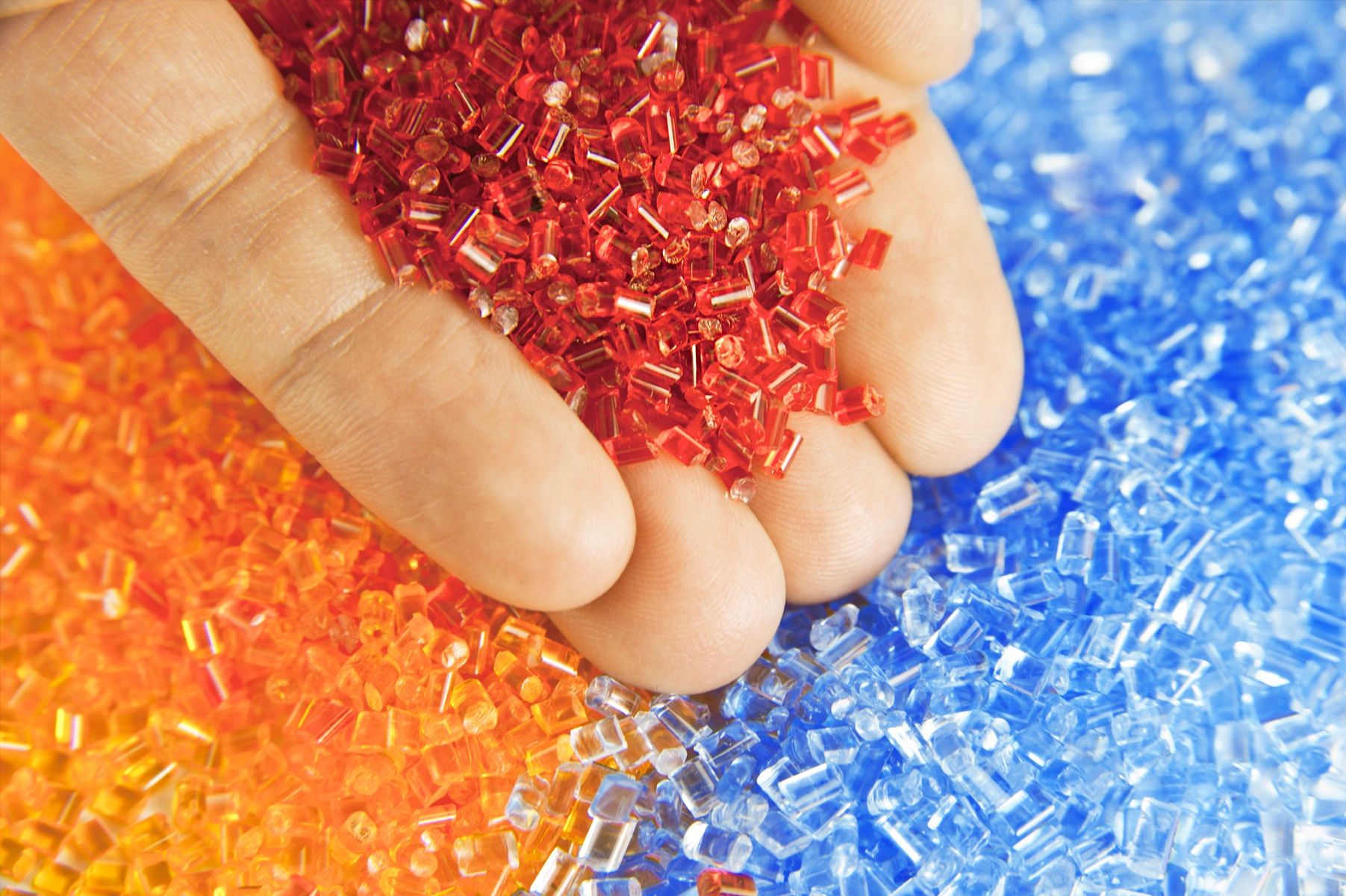
We’ve long worried about the plastics in our oceans and our food containers—but now, it turns out the air we breathe may also be affecting our fertility. A recent study published in Environmental Science & Technology (2024) takes a closer look at airborne microplastics, and the findings are enough to make you want to invest in a good air purifier. This research not only highlights the emerging toxicology of our modern environment but raises alarm bells about reproductive health in a way we can’t afford to ignore.
The researchers in this study measured airborne microplastic particles from different urban and semi-urban environments and exposed both human and animal cell cultures to these particles to understand their effects. Using high-resolution microscopy and chemical analysis, they tracked how these tiny plastic particles were inhaled, where they landed in the body, and how they interacted with cells from the digestive, respiratory, and reproductive systems.
What’s particularly fascinating (and frightening) is how easily these particles bypass our body’s natural defenses. Once inhaled, they don’t just sit harmlessly in the lungs—they can enter the bloodstream, travel to distant organs, and even cross barriers like the placenta or the blood–testis barrier. In cell models mimicking the human reproductive tract, microplastics induced oxidative stress, inflammatory responses, and signs of cellular damage.
The reproductive system is finely tuned and highly sensitive to even minor hormonal or cellular disruptions. Microplastics aren’t just inert bits of debris—they often carry endocrine-disrupting chemicals (like BPA, phthalates, and heavy metals) on their surfaces. These chemicals can interfere with ovarian and testicular function, disrupt menstrual cycles, impair sperm development, and potentially affect embryo implantation and early pregnancy maintenance.
And because the immune system in the reproductive tract is semi-permissive—designed to tolerate sperm and a developing embryo—it’s also a soft target for environmental intruders like microplastics. Inflammation here doesn’t just mean discomfort—it may mean compromised fertility.
While we can’t stop breathing, we can take steps to reduce our exposure and mitigate some of the damage:
- Improve Indoor Air Quality: Use HEPA air filters, ventilate your space, and reduce the use of products that shed synthetic fibers (like polyester-based textiles).
- Be Mindful of Dust: Household dust can be a microplastic reservoir. Vacuum regularly using a HEPA filter and wet-dust rather than dry.
- Avoid Heating Plastics: Never microwave food in plastic containers, and try to store food in glass or stainless steel rather than plastic.
- Support Detoxification: A diet rich in antioxidants (like vitamin C, vitamin E, selenium, and zinc) may help reduce oxidative stress caused by microplastics. NAC, glutathione, and sulforaphane are also being studied for their protective roles.
- Advocate for Regulation: The science is catching up, but policy is lagging. Encourage the development of stricter air quality and plastic use regulations through consumer choices and civic engagement.
Here are the biggest culprits that shed microplastics directly into your indoor air and surfaces:
- Synthetic clothing (polyester, nylon, acrylic): sheds microfibers during wear and washing
- Carpets and rugs made of synthetic fibers
- Upholstered furniture treated with flame retardants and made from plastic-based fabrics
- Plastic food containers and utensils, especially when heated
- Cosmetics and personal care products with microbeads (e.g., some exfoliators, toothpaste)
- Paints and varnishes containing plastic polymers
- Disposable wipes, diapers, and sanitary pads (yes, even some marketed as “cotton” have plastic linings)
- Tire dust tracked in from outside (a major source of microplastic pollution)
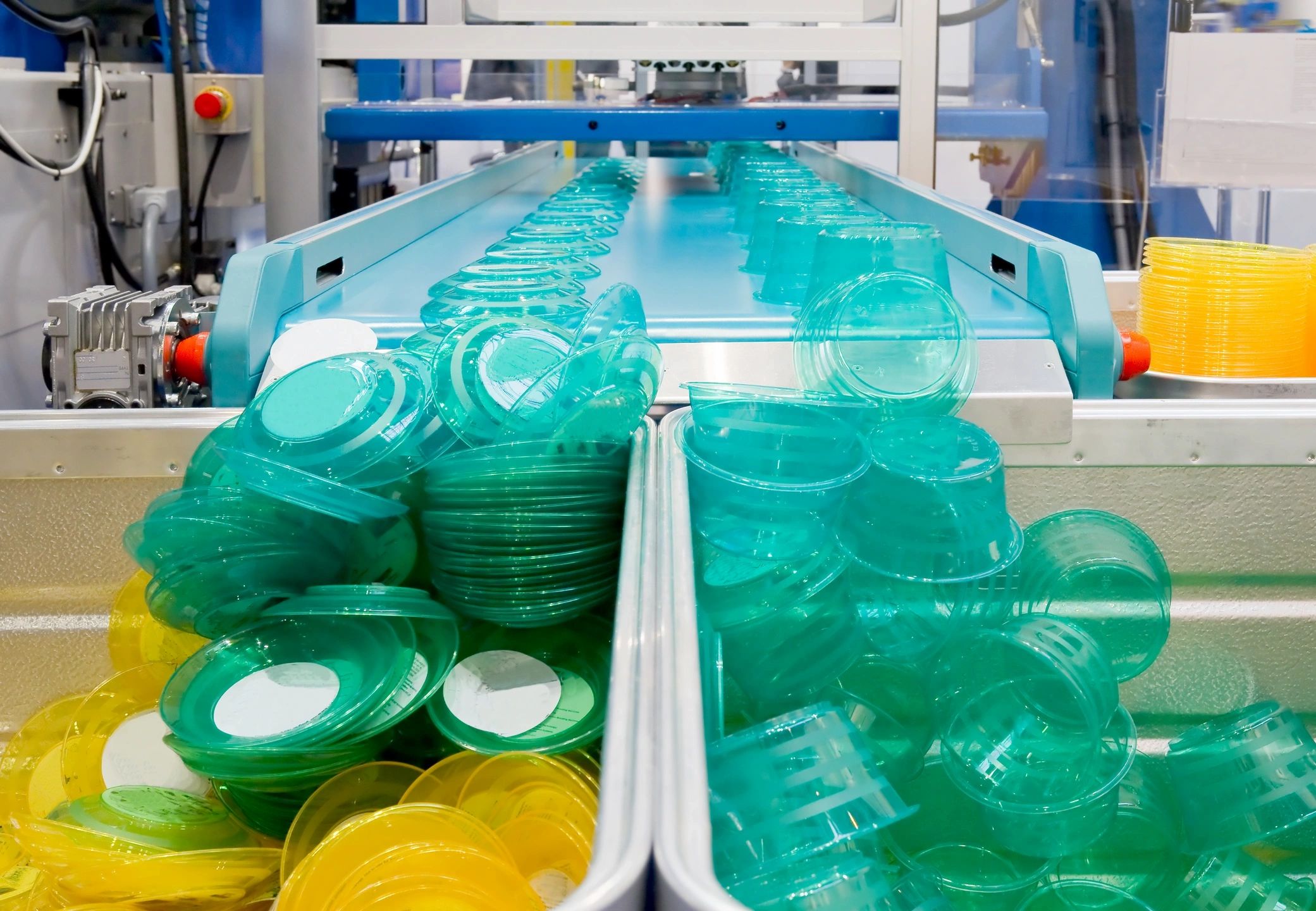
Microplastics in the air aren’t just an environmental issue—they’re a reproductive one. This research brings a new urgency to the fertility conversation, especially for those already facing challenges. As always, understanding the problem is the first step to addressing it. Let’s be mindful of what’s entering our bodies—not just through food or drink, but with every breath.
Reference:
Zhang, Zhiwei, Jie Chen, Yue Liu, Zhenhao Liu, Yu Chen, et al. “Inhaled Microplastics Induce Inflammatory Response and Tissue Damage in Mice: A Potential Link to Human Respiratory and Reproductive Health.” Environmental Science & Technology 58, no. 3 (2024): 1452–1461. https://doi.org/10.1021/acs.est.3c08912.
Dr Marina OBGYN