

In fertility care, we frequently discuss hormones, egg count, and optimizing treatment timing. But how often do we ask about sleep? A new study from Scientific Reports reminds us that sleep isn’t just a lifestyle concern—it may be a biological determinant of ovarian health.
Researchers in China examined nearly 1,000 women undergoing infertility treatment and found compelling evidence that sleep disturbances are linked to diminished ovarian reserve (DOR)—a lower-than-expected quantity or quality of eggs for a woman’s age.
As someone who has worked with thousands of patients hoping to conceive, I find this study especially important. It adds to a growing body of research suggesting that improving sleep quality could be just as important as improving your diet or supplement routine.
This was not a small study. The authors reviewed clinical data from 993 women undergoing infertility treatment. They measured ovarian reserve through antral follicle count (AFC) and anti-Müllerian hormone (AMH) levels—two of the most trusted indicators we use in practice.
Participants were asked about 7 types of sleep disturbances, including:
- Difficulty falling asleep
- Waking up often
- Early morning waking
- Short sleep duration
- Light sleep
- Snoring
- Use of sleeping pills
What they found was striking: women who reported frequent sleep disturbances were significantly more likely to have DOR, even after adjusting for age, BMI, stress, and reproductive history. Snoring and short sleep duration were especially associated with lower AMH and fewer follicles.
The exact mechanisms are still being explored, but here’s what we think is happening:
- Hormonal disruption: Poor sleep can lead to altered secretion of melatonin and cortisol, both of which affect the hypothalamic-pituitary-ovarian (HPO) axis—the system that governs ovulation and reproductive hormone balance.
- Increased inflammation: Chronic sleep loss raises pro-inflammatory cytokines like IL-6, which may accelerate ovarian aging and impair follicular development.
- Oxidative stress: Poor sleep may impair mitochondrial function and egg quality through increased oxidative stress—something we already know is central to both aging and fertility.
The bottom line? Your ovaries are listening to your circadian rhythms.
If you are actively trying to conceive—especially if you’re undergoing fertility treatment—it’s time to take sleep seriously. This doesn’t mean perfection, but it does mean consistency, quality, and awareness.
Here’s what I recommend to my patients:
- Aim for 7–8 hours of high-quality sleep per night.
- Go to bed and wake up at the same time every day, even on weekends.
- Avoid screens and bright lights at least an hour before bedtime—blue light disrupts melatonin.
- If snoring or night-time waking is frequent, consider a sleep study to rule out apnea or other disorders.
- Track your sleep for 2–4 weeks with a wearable device or app—patterns often reveal themselves over time.
And importantly: talk about your sleep. Bring it up with your fertility specialist or primary care doctor. It’s a vital sign we shouldn’t ignore.
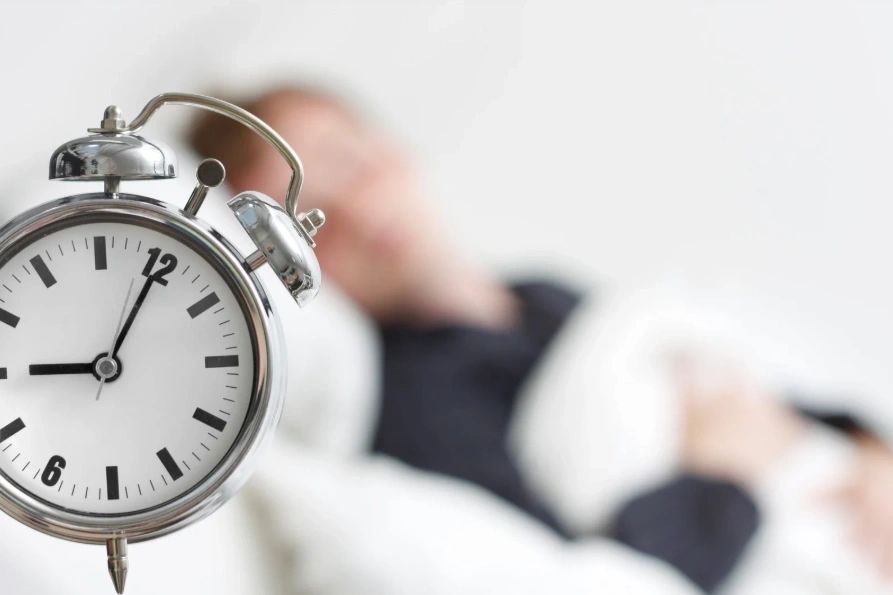
This study doesn’t mean that every woman with poor sleep will have poor egg quality. But it does reinforce a pattern I’ve seen clinically for years: those who support their circadian health often do better in their fertility journey. Sleep is not separate from reproductive health—it’s intimately linked.
Let’s stop thinking of sleep as optional and start treating it as foundational. Your future family may depend on it.
Reference:
Cai, XF., Wang, BY., Zhao, JM. et al. (2024). Association of sleep disturbances with diminished ovarian reserve in women undergoing infertility treatment. Scientific Reports. https://doi.org/10.1038/s41598-024-78123-w
Dr Marina OBGYN