We’ve known for a while that MPs and NPs are endocrine disruptors. They’re small enough to circulate throughout the body and have now been detected in reproductive organs, semen, and even follicular fluid. These plastics can bind to hormone receptors or release chemicals that interfere with estrogen, testosterone, and progesterone signaling. The consequences? Oxidative stress, inflammation, hormonal imbalance, and impaired fertility in both men and women.
Animal studies have shown declines in sperm quality, damage to testicular tissue, and ovarian dysfunction after plastic exposure. However, until recently, little attention has been paid to how we might protect the reproductive system from this damage.
Anthocyanins are a class of flavonoids responsible for the red, blue, and purple hues in berries, red cabbage, purple corn, and similar foods. Beyond being antioxidant powerhouses, they also appear to interact with steroid hormone receptors, meaning they can influence the same hormonal pathways that microplastics disrupt.
This new review examines how anthocyanins—especially cyanidin-3-glucoside (C3G), found in blueberries, blackberries, and black rice—might modulate estrogen and androgen receptors. The authors suggest that anthocyanins may “compete” with plastics and the toxins they carry, helping normalize hormone levels and reducing inflammation in reproductive tissues.
In female models, anthocyanins appear to:
- Restore estradiol levels and reduce ovary damage caused by MP/NP exposure
- Support folliculogenesis and luteal function
- Lower markers of oxidative stress and inflammation in ovarian tissue
In male models, anthocyanins have been shown to:
- Improve sperm motility, morphology, and concentration
- Reduce testicular oxidative stress and apoptosis
- Normalize testosterone levels disrupted by environmental toxins
The review authors propose that anthocyanins may also block MP/NP-induced damage through their direct interactions with estrogen and androgen receptors, preventing the plastics from hijacking hormonal signaling.
What does this mean practically? For those trying to conceive—or simply trying to protect their hormonal balance in an increasingly polluted world—it makes a strong case for a diet rich in anthocyanin-containing foods.
Here are a few powerful anthocyanin sources to consider:
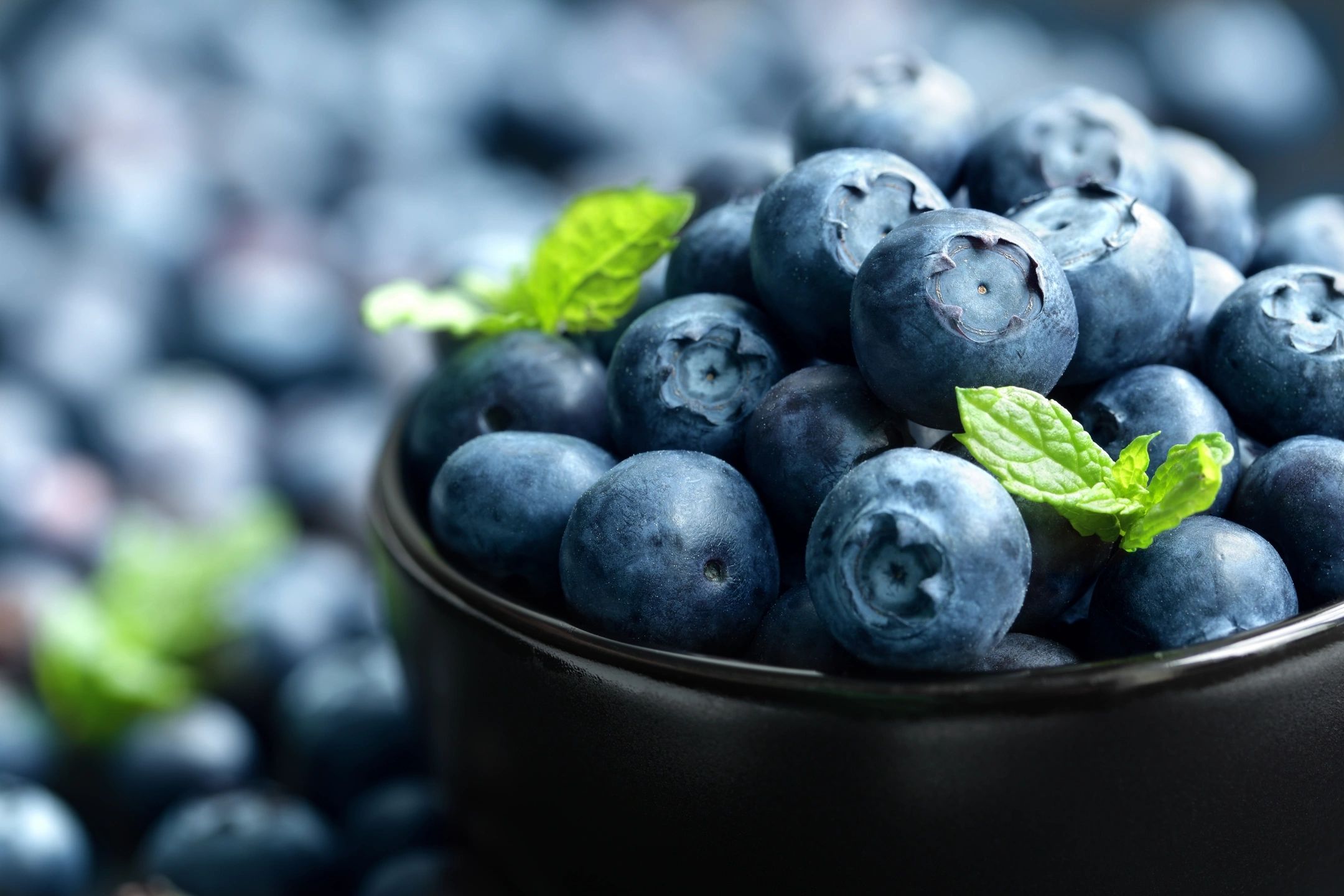
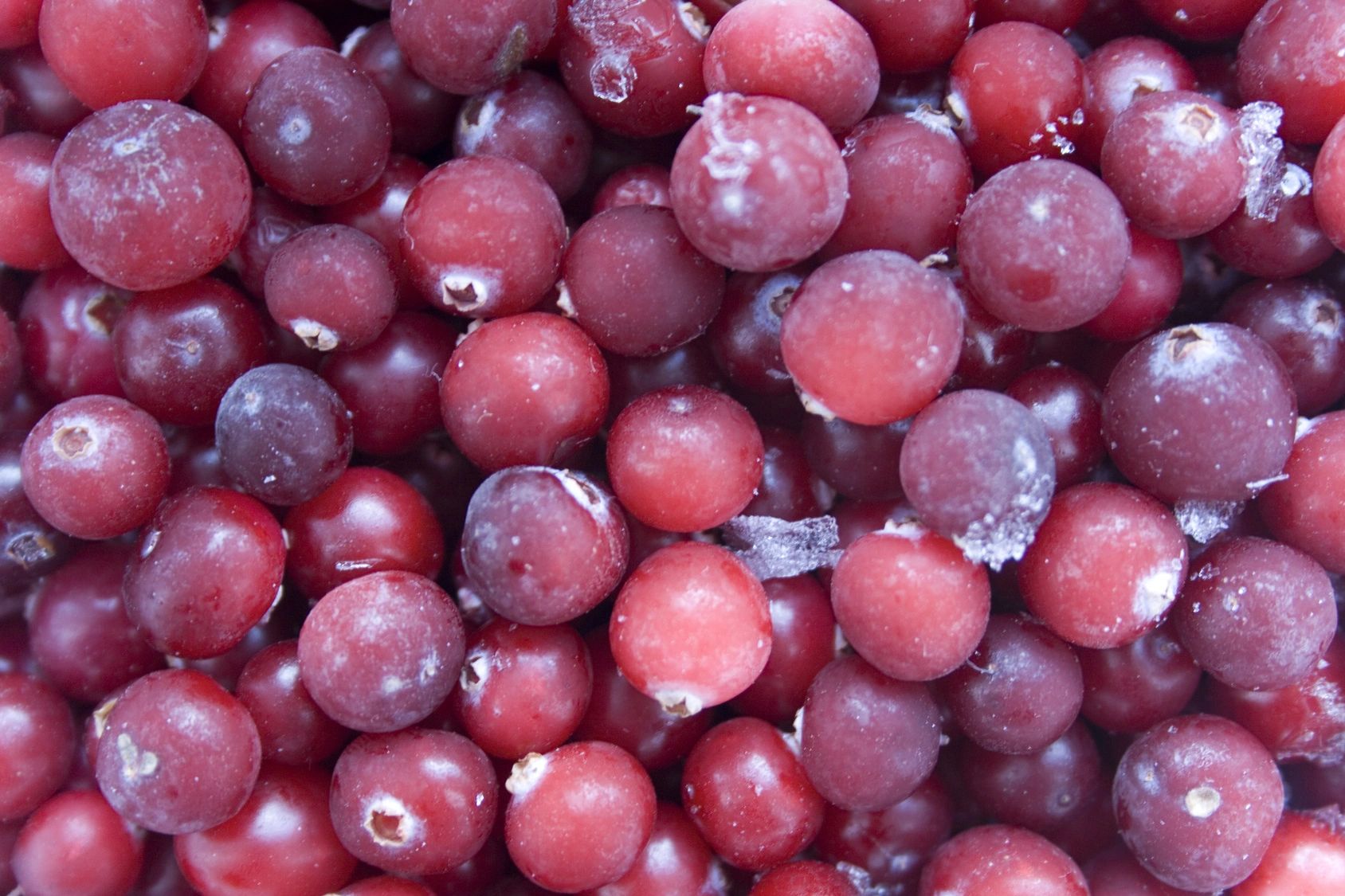
- Blueberries, blackberries, raspberries, cherries
- Purple grapes, pomegranate, plums
- Red cabbage, purple sweet potatoes, black rice
- Hibiscus tea and acai
Although most current evidence is from whole food sources or purified plant extracts, anthocyanin supplements are available.
The takeaway? Microplastics are not just an environmental concern but a profoundly personal one. Finely tuned to subtle hormonal changes, the reproductive system is uniquely vulnerable. But the idea that we can use real, colorful, phytonutrient-rich food as part of our defense strategy is robust and actionable.
This study is a call to arms for all of us in reproductive health to pay closer attention to environmental toxins. But it’s also a reminder that some of our best tools are still growing in nature.
Zhang, Jiaojiao, et al. “Exploring the potential protective role of anthocyanins in mitigating micro/nanoplastic-induced reproductive toxicity: A steroid receptor perspective.” Journal of Pharmaceutical Analysis 15, no. 2 (2024): 101148. https://doi.org/10.1016/j.jpha.2024.101148
Dr Marina OBGYN