

Introduction: Understanding PFAS and Their Ubiquity
In recent years, per- and polyfluoroalkyl substances (PFAS) have garnered significant attention due to their widespread use and persistence in the environment. Known for their applications in various consumer products, PFAS are often dubbed “forever chemicals” because they do not easily break down. The omnipresence of these chemicals raises pressing concerns about their potential health impacts, especially given their tendency to accumulate in the human body.
Exploring the Study: Key Researchers and Objectives
A groundbreaking study titled “Mixtures of per- and polyfluoroalkyl substances (PFAS) alter sperm methylation and long-term reprogramming of offspring liver and fat transcriptome,” published in Environment International, sheds new light on the biological ramifications of PFAS exposure. The research team, including DruAnne L. Maxwell, Oladele A. Oluwayiose, Emily Houle, Katherine Roth, Karolina Nowak, Savni Sawant, Amanda L. Paskavitz, Wanqing Liu, Katherine Gurdziel, Michael C. Petriello, and J. Richard Pilsner, set out to investigate how PFAS mixtures influence genetic and epigenetic changes across generations.
Key Findings: Sperm Methylation and Epigenetic Reprogramming
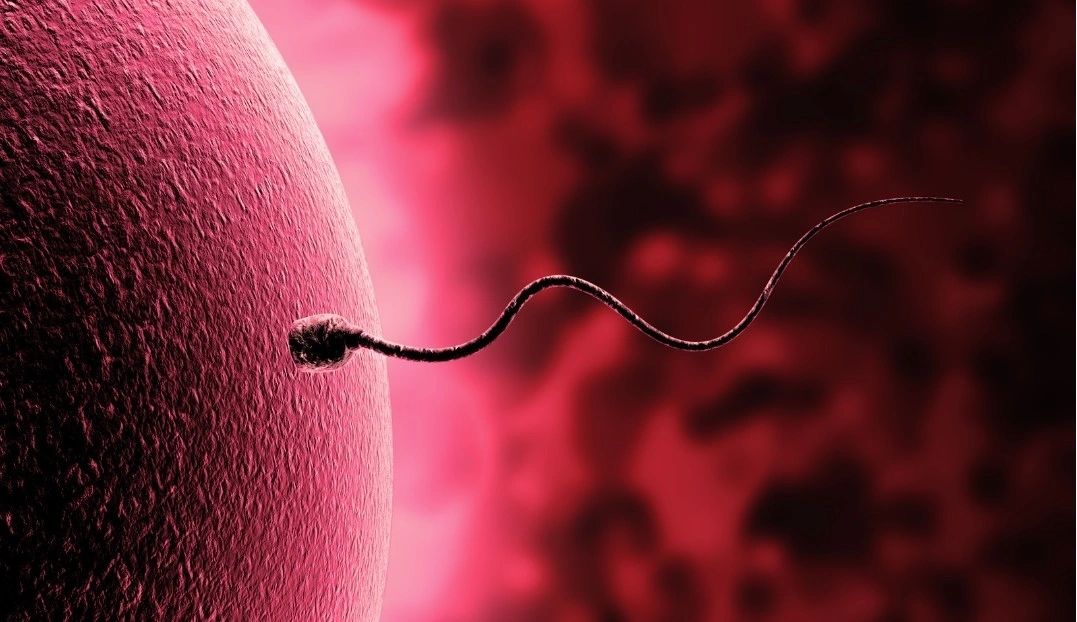
One of the study’s pivotal findings is the alteration of sperm methylation patterns due to PFAS exposure. Methylation, a crucial epigenetic mechanism, regulates gene expression without changing the DNA sequence. The researchers discovered that PFAS exposure could lead to significant changes in sperm DNA methylation, potentially affecting gene expression in the offspring.
Moreover, the study highlighted long-term reprogramming effects on the liver and fat transcriptome of the offspring. This indicates that PFAS exposure doesn’t just impact the immediate generation but could have cascading effects on the health and development of future generations.
Implications for Human Health: From Lab to Real World
These findings have profound implications for human health. As PFAS exposure is nearly unavoidable in modern life, understanding its potential to cause epigenetic changes and reprogram the health trajectories of subsequent generations is crucial. The study underscores the need for stricter regulations and more comprehensive research to fully grasp the long-term consequences of these persistent chemicals.
Conclusion: Moving Forward with Awareness and Action
This study serves as a clarion call for heightened awareness and proactive measures against PFAS exposure. While the immediate effects of these chemicals are concerning, their ability to reprogram genetic and epigenetic patterns across generations poses a grave risk that must be addressed.
As consumers, staying informed and advocating for safer environmental practices can help mitigate some of these risks. For policymakers and researchers, this study highlights the urgency of developing strategies to limit PFAS exposure and protect future generations from their insidious effects.
In summary, the research conducted by Maxwell et al. is a vital contribution to our understanding of how environmental pollutants like PFAS can have far-reaching and lasting impacts on human health. By continuing to explore and address these challenges, we can work towards a healthier and more sustainable future.
Reference:
- DruAnne L. Maxwell, Oladele A Oluwayiose, Emily Houle, Katherine Roth, Karolina Nowak, Savni Sawant, Amanda L. Paskavitz, Wanqing Liu, Katherine Gurdziel, Michael C. Petriello, J. Richard Pilsner. Mixtures of per- and polyfluoroalkyl substances (PFAS) alter sperm methylation and long-term reprogramming of offspring liver and fat transcriptome. Environment International, 2024; 186: 108577 DOI: 10.1016/j.envint.2024.108577
Dr Marina OBGYN
www.drmarinaobgyn.com
Facebook Dr Marina OBGYN
Instagram dr.marina.obgyn