
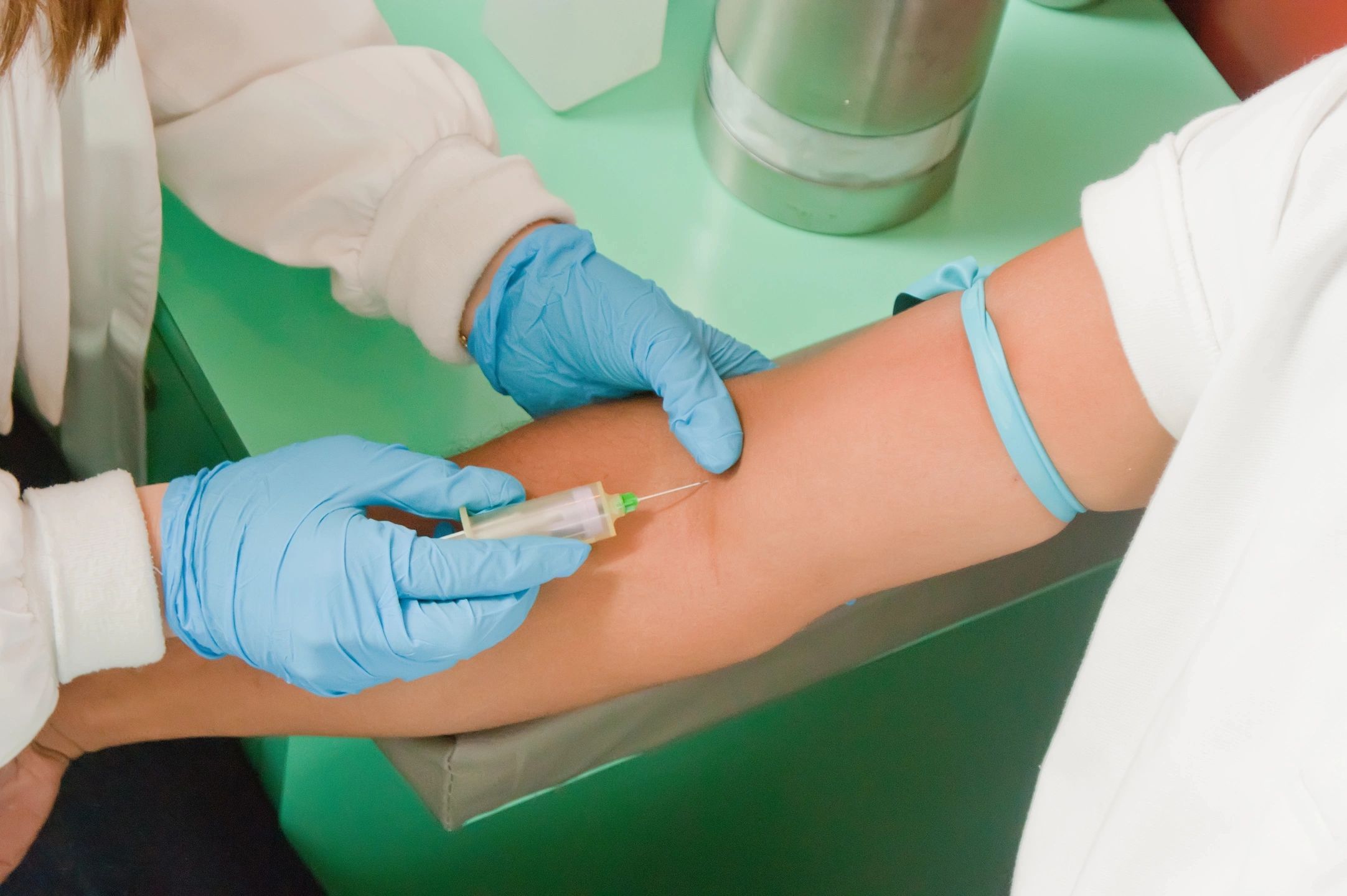
A recent study by Cozzolino et al. (2024) explored the effects of intraovarian platelet-rich plasma (PRP) injections on mice with chemotherapy-induced diminished ovarian reserve (DOR). The results show that PRP injections improved both oocyte quality and early embryo development. While this research was conducted on mice, the implications are significant, particularly because similar treatments are already being applied to humans in some fertility centers.
What’s PRP and Why Does It Matter?
Platelet-rich plasma is derived from a patient’s own blood, and it’s packed with growth factors that can stimulate healing and regeneration. While PRP is widely used in orthopedics and dermatology, it’s gaining attention in reproductive medicine for women with DOR or premature ovarian failure (POF).
In the Cozzolino study, researchers sought to address a serious issue caused by chemotherapy: the diminished ability of the ovaries to produce high-quality eggs. This is a known consequence for women undergoing cancer treatment, and the study’s findings offer a possible route for intervention. Not only did the PRP injections improve oocyte quality in these mouse models, but they also positively impacted early-stage embryos.
Translating Animal Research to Human Applications
Here’s the thing: PRP therapy is already being used in some fertility clinics for human patients with similar issues. Women with low ovarian reserve, particularly those who’ve faced challenges with traditional IVF, are being treated with PRP injections in the hopes of rejuvenating their ovaries. These treatments aren’t based on guesswork. Although animal models like those in Cozzolino’s study are critical for scientific progress, fertility specialists are forging ahead with PRP in real human applications—seeing promising results in some cases.
Ethical Considerations and the Fast Pace of Fertility Research
One of the key takeaways here is the ethical and medical implications of such rapid transitions from experimental research to clinical use. While the evidence is mounting for the efficacy of PRP in reproductive health, we still lack large-scale human trials that can definitively confirm its effectiveness. Fertility treatments are often fast-tracked because of the pressing nature of reproductive timelines. For many women, the risk of waiting too long to try new treatments feels more daunting than any uncertainties about safety or effectiveness.
Is this a good thing? It depends on how we balance innovation with rigorous scientific validation. For patients, PRP injections might offer a glimmer of hope where other methods have failed, but we have to ensure that optimism doesn’t outpace the science.
The Future of PRP in Fertility
The results of Cozzolino’s study should inspire further research into how PRP can be utilized in human fertility treatments. However, this also underscores the fact that science isn’t waiting for conclusive results in animal models before moving forward. Clinics are already using PRP on humans based on smaller studies, anecdotal evidence, and the urgent need to offer new solutions to women struggling with infertility.
As we watch this space evolve, it will be interesting to see how these treatments are refined, standardized, and, hopefully, validated through larger, human-specific studies. PRP may prove to be a game-changer, but until then, it’s a work in progress—one that’s already making an impact in real-time for some patients.
Reference:
Cozzolino, M., et al. (2024). Intraovarian PRP injection improves oocyte quality and early embryo development in mouse models of chemotherapy-induced diminished ovarian reserve. Aging. doi.org/10.18632/aging.206099.
Dr Marina OBGYN