
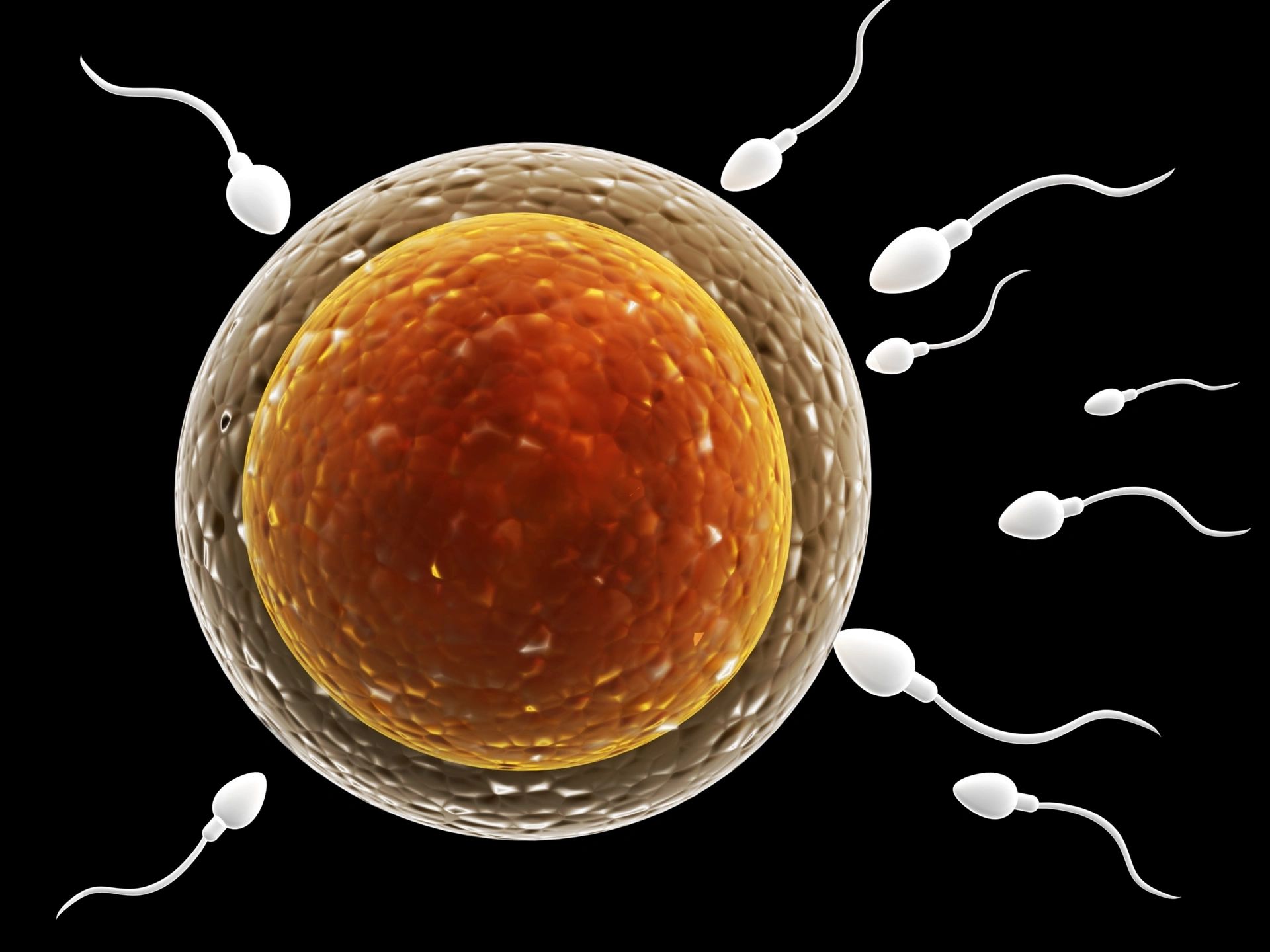
When trying to conceive, one of the most common questions couples have is: “How often should we have intercourse?” It’s a simple question with an answer that can vary depending on a few factors, but research gives us some guidance on the optimal frequency for intercourse and ejaculation when trying to get pregnant.
The Fertile Window: Timing Matters More Than Frequency
First, it’s important to know about the fertile window, which refers to the 6-day period during a woman’s cycle when pregnancy is most likely to occur. This includes the day of ovulation and the five days leading up to it. The closer intercourse is to ovulation, the better the chances of sperm meeting the egg.
The science shows that timing intercourse around this window is far more important than sheer frequency. So while having intercourse every day can certainly increase chances, aiming for the fertile window is key.
Daily vs. Every Other Day: What’s the Sweet Spot?
Several studies have examined whether it’s better to have sex daily or every other day when trying to conceive. The general consensus is that both approaches can work well, but for couples with no fertility issues, daily intercourse during the fertile window can slightly increase the chances of conception compared to every other day.
For example, a study published in Fertility and Sterility found that couples who had intercourse daily during the fertile window had a 37% chance of conceiving, compared to a 33% chance with intercourse every other day. The difference is small, but if you’re trying to maximize your chances, daily intercourse may give you a slight edge.
Ejaculation and Sperm Quality: Is More Always Better?
Another concern is how ejaculation frequency affects sperm quality. It might seem logical that saving up sperm for several days could lead to a higher chance of conception, but studies have shown that sperm count and motility (how well sperm move) are actually better when men ejaculate more frequently.
Research published in Human Reproduction shows that while sperm count can be lower with daily ejaculation, sperm motility and overall quality tend to improve. This means that having intercourse daily or every other day during the fertile window likely balances the benefits of both sperm quality and quantity.
What About Couples Facing Fertility Issues?
For couples dealing with fertility problems, the strategy may differ slightly. If there are issues related to low sperm count or motility, having intercourse every two to three days might be recommended. This ensures that sperm count is higher with each ejaculation. In these cases, working closely with a fertility specialist is important to find the best approach.
The Bottom Line
When it comes to trying to conceive, the optimal frequency of intercourse is less about quantity and more about timing. Having intercourse daily or every other day during the fertile window seems to provide the best chances for couples without fertility concerns. For those dealing with male factor infertility, spacing out intercourse to every two to three days might be helpful.
Ultimately, the most important factor is to reduce stress and pressure around the process, as stress can impact fertility. So, while it’s helpful to know the data, being in tune with your body’s ovulation cycle and focusing on intimacy when it feels right will always be the best approach.
References:
1.Wilcox, A.J., Weinberg, C.R., Baird, D.D. (1995). Timing of sexual intercourse in relation to ovulation — effects on the probability of conception, survival of the pregnancy, and sex of the baby. New England Journal of Medicine, 333(23), 1517-1521. doi:10.1056/NEJM199512073332301
2.Stanford, J.B., White, G.L., Hatasaka, H. (2002). Timing intercourse to achieve pregnancy: Current evidence. Obstetrics & Gynecology, 100(6), 1333-1341. doi:10.1016/S0029-7844(02)02202-0
3.Dunson, D.B., Baird, D.D., Wilcox, A.J., Weinberg, C.R. (1999). Day-specific probabilities of clinical pregnancy based on two studies with imperfect measures of ovulation. Human Reproduction, 14(7), 1835-1839. doi:10.1093/humrep/14.7.1835
4.Machado, R., Masuda, H., & Rubio, C. (2021). Impact of ejaculation frequency on semen parameters: A systematic review. Human Reproduction, 36(3), 629-641. doi:10.1093/humrep/deaa352
5.Wang, Y., Zhou, Z., Liu, C., Jiang, Y., & Lin, M. (2019). Effect of frequent ejaculation on semen quality and sperm DNA integrity: A controlled randomized study in normal healthy men. Fertility and Sterility, 112(6), 1049-1055. doi:10.1016/j.fertnstert.2019.07.018
Dr Marina OBGYN