
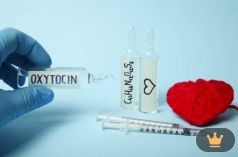
Oxytocin, often dubbed the “love hormone,” is renowned for its roles in social bonding, childbirth, and lactation. However, groundbreaking research published in Science Advances by Jessica L. Minder and colleagues has unveiled a novel function of oxytocin: inducing embryonic diapause.
Understanding Embryonic Diapause
Embryonic diapause is a fascinating reproductive strategy observed in over 130 mammalian species, including rodents and some marsupials. During this state, the development of the embryo temporarily halts, allowing the mother to synchronize birth with favorable environmental conditions. This adaptive mechanism ensures the survival and well-being of both the offspring and the mother.
The Study’s Breakthrough Findings
Minder et al.’s study delved into the molecular mechanisms governing embryonic diapause. Their research revealed that oxytocin signaling plays a pivotal role in initiating this suspended state of embryonic development. By manipulating oxytocin levels in animal models, the researchers demonstrated that increased oxytocin activity could induce diapause, effectively pausing embryonic growth.
Implications for Reproductive Science
This discovery opens new avenues in reproductive biology and medicine. Understanding how oxytocin induces embryonic diapause could lead to innovative fertility treatments, offering hope to individuals facing reproductive challenges. Moreover, this knowledge might pave the way for developing novel contraceptive methods that temporarily halt embryo development without affecting overall fertility.
Future Directions
While this study provides compelling evidence of oxytocin’s role in embryonic diapause, further research is essential to translate these findings into clinical applications. Investigating how oxytocin interacts with other hormonal pathways during diapause and exploring its effects across different species will be crucial steps forward.
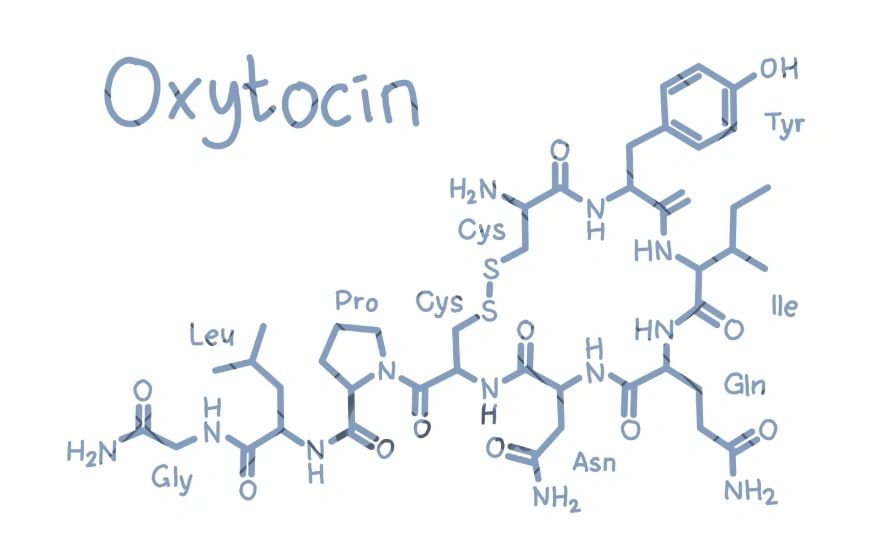
In conclusion, the work by Minder and colleagues has shed light on an unexpected function of oxytocin, expanding our understanding of this multifaceted hormone. As research progresses, we may uncover new strategies to manage fertility and reproductive health, benefiting countless individuals worldwide.
Reference:
Minder, J. L., Winokur, S. B., Stephens, J., Tong, J., Cassel, N. L., Schuster, L., Issa, H. A., Cammer, M., Khatri, L., Moisan, G., Alvarado-Torres, M., Aristizábal, O., Wadghiri, Y. Z., Kim, S. Y., Valtcheva, S., Lu, C. P., Chao, M. V., & Froemke, R. C. (2025). Oxytocin induces embryonic diapause. Science Advances, 11(10). https://doi.org/10.1126/sciadv.adt1763
Dr Marina OBGYN