
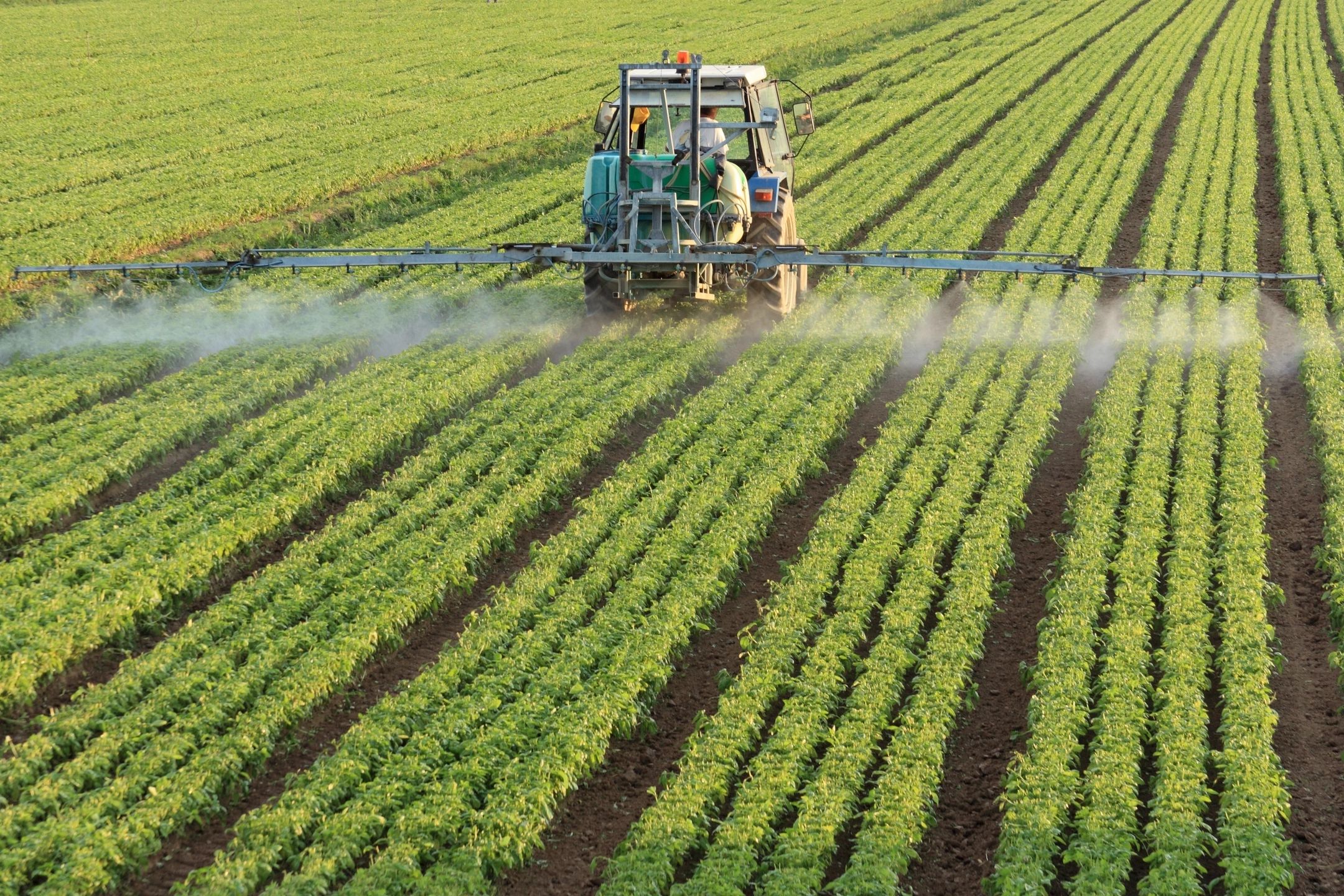
If you’ve ever walked through a hardware store garden aisle or sprayed your driveway to get rid of weeds, chances are you’ve used a glyphosate-based herbicide. Marketed under names such as Roundup, glyphosate is one of the most widely used herbicides worldwide. However, as research continues to evolve, so too does our understanding of its potential consequences, particularly in relation to fertility.
A new article by Stone et al., published in Reproductive Sciences (2025), urges a timely and critical reevaluation of glyphosate-based herbicides (GBHs) due to their reproductive toxicity. The concern isn’t new, but the evidence is mounting and increasingly difficult to ignore.
The review highlights a troubling array of reproductive harms associated with glyphosate exposure, both in men and women. Animal and in vitro studies show that GBHs can interfere with:
- Steroid hormone production
- Ovarian follicle development
- Sperm motility and morphology
- Embryo implantation and development
The paper notes that GBHs can induce oxidative stress and inflammation in reproductive tissues, disrupt mitochondrial function, and even impair placental development. These effects are observed at exposure levels close to what the general public may encounter in food, water, and the environment—not just in high-dose occupational settings.
This is not just a concern for agricultural workers. Residual glyphosate can be found in many common foods—especially non-organic grains, legumes, and processed products. The compound is persistent in soil and water, and there is growing evidence it may bioaccumulate. That means our daily exposure might be higher than assumed, especially in vulnerable populations like those trying to conceive.
Importantly, the authors point out that most commercial herbicide products combine glyphosate with adjuvants that make it more toxic than glyphosate alone. Yet regulatory safety assessments are still largely based on glyphosate as a single compound. This disconnect calls into question the adequacy of existing safety thresholds.
If you’re trying to conceive, undergoing fertility treatments, or simply want to protect your reproductive health, minimizing exposure to glyphosate and similar chemicals should be on your radar.
Here are some practical steps:
- Prioritize organic foods, especially when it comes to grains, legumes, and soy.
- Use non-toxic alternatives for weed control in your garden or driveway.
- Filter your water, particularly if you live in agricultural regions.
- Advocate for better testing and transparency around chemical residues in food and water supplies.
Glyphosate is just one piece of a much larger puzzle. We are increasingly aware that the modern environment, rich in endocrine disruptors, microplastics, and industrial pollutants, poses serious challenges to fertility. The paper by Stone et al. adds weight to the argument that improving reproductive outcomes requires not just personal changes, but systemic reform in how we regulate and manage environmental toxins.
As a physician, I often tell my patients that fertility is a reflection of whole-body health—but it’s also a reflection of the health of our environment. If the soil is poisoned, so too are the seeds we hope will grow. The time has come to treat glyphosate not as a benign garden helper, but as a potential threat to the next generation. And that means acting now—on our plates, in our homes, and in our policies.
Reference
Stone, A. M., Camp, O. G., Biernat, M. M., Bai, D., Awonuga, A. O., & Abu-Soud, H. M. (2025). Re-evaluating the use of glyphosate-based herbicides: Implications on fertility. Reproductive Sciences. https://doi.org/10.1007/s43032-025-01834-6
Dr Marina OBGYN