
Understanding the Oxidative Balance Score (OBS)
I recently came across a fascinating study published using NHANES data (2013–2020) that sheds new light on the relationship between diet, lifestyle, and fertility—something many of us think about only when problems arise. The key takeaway? A higher oxidative balance score (OBS) is linked to a lower risk of infertility.
However, before we delve into what that means for you or your patients, let’s examine what OBS actually measures.
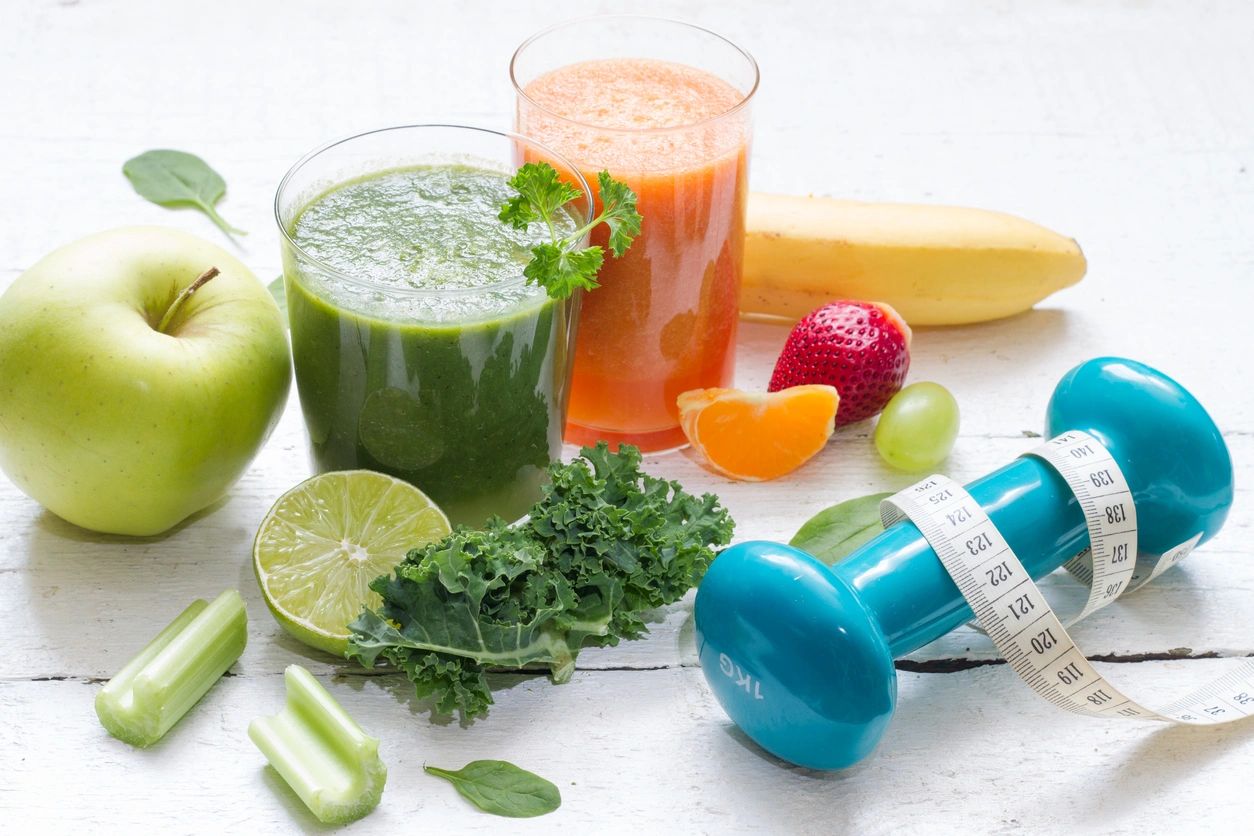
OBS is a composite score that reflects the balance between pro-oxidant exposures (like smoking, alcohol, saturated fat, and excess iron) and antioxidant exposures (like vitamins C and E, beta-carotene, selenium, and healthy fats). The higher your score, the more your lifestyle tends to lean toward reducing oxidative stress.
Why Oxidative Stress Matters in Fertility
Oxidative stress occurs when there is an imbalance between free radicals (oxidants) and the antioxidants that neutralize them. Over time, this can lead to cellular damage, and in the context of fertility, this damage can affect egg quality, sperm function, endometrial receptivity, and hormonal signaling.
This isn’t just theory. Multiple studies have linked oxidative stress to lower sperm motility, impaired ovulation, and even implantation failure. That’s what makes this new finding so compelling: it adds large-scale population data to a body of mechanistic evidence we’ve been building for years.
What the Study Found
The researchers utilized NHANES data, which is nationally representative and includes detailed information on dietary, supplement, and lifestyle habits. They calculated the OBS for each participant and looked at self-reported infertility outcomes.
Here’s the punchline: women with higher OBS had a significantly lower risk of infertility. This held true even after adjusting for confounders like age, BMI, socioeconomic status, and reproductive history. In other words, better oxidative balance appears to be an independent predictor of fertility health.
How Can We Use This?
This research isn’t just academic—it’s actionable. The components of a high OBS are things many of us already talk about when discussing health and fertility:
- More fruits and vegetables (antioxidants like vitamin C, beta-carotene)
- Healthy fats like omega-3s
- Regular physical activity
- Limiting smoking and alcohol
- Mindful iron supplementation (only when needed)
From a clinical perspective, OBS could become a useful framework for assessing fertility risk and guiding lifestyle counseling. It’s not a magic bullet, but it helps connect the dots between daily habits and reproductive potential.
The Big Picture
Fertility is multifactorial, and no single lifestyle change guarantees results. But what this study highlights is that fertility health is deeply intertwined with overall metabolic and oxidative health. And the good news? Those are things we can change.
As we move forward, I hope to see more public health efforts around fertility include education on antioxidant nutrition and oxidative stress. The science is catching up to what many of us have seen anecdotally for years: the body thrives when balance is restored—even in the most delicate systems like reproduction.
Takeaway
If you’re planning for pregnancy, supporting patients, or just trying to optimize your long-term health, remember: a diet and lifestyle that lowers oxidative stress may not just help you live longer—it could also help you create life.
Reference:
Ma, Mingjun, Huanying Xu, Kexin Wang, Yanfen Chen, Ting Pan, and Qiaoling Zhu. “Higher Oxidative Balance Score Is Associated with a Decreased Risk of Infertility: An Analysis of NHANES 2013–2020.” Frontiers in Nutrition 12 (February 3, 2025) https://doi.org/10.3389/fnut.2025.1493253
Dr Marina OBGYN