
When we talk about fertility, most people think about hormones, age, or lifestyle. But emerging research is pointing to something more profound—NAD⁺ (nicotinamide adenine dinucleotide), the cell’s energy and repair molecule. It’s essential for energy production, DNA repair, and mitochondrial health—and now, it’s emerging as a potential ally in reproductive longevity.
As NAD⁺ naturally declines with age, our cells’ resilience diminishes. In the reproductive system, this translates into accumulating oxidative damage, weakened cellular energy, and compromised gamete integrity. Replenishing NAD⁺ might help counter these age-related changes and support fertility in meaningful ways.
Animal studies are compelling. In aging female mice, supplementing with NMN (a NAD⁺ precursor) revitalized eggs, enhanced embryo development, and even increased live birth rates—all without adverse effects on offspring.
On the clinical end, one compelling anecdote stands out. A woman undergoing failed IUIs and IVF chose an IV infusion of NAD before her final egg retrieval. While the infusion didn’t feel dramatic, her egg count more than doubled. During the wait for retrieval (delayed for six weeks), she conceived naturally and carried a healthy baby to term—an outcome she attributed to NAD supplementation.
Animal models show that NAD⁺ depletion—whether from diet or aging—leads to testicular shrinkage and reduced sperm production, with niacin supplementation effectively reversing these effects . In chemotherapy-induced infertility models, NAD⁺ precursors protected spermatogenesis by guarding cells against oxidative death (ferroptosis) .
In humans, a 2022 cohort study found that sperm NAD⁺ levels did not decline with age, but paradoxically, higher NAD⁺ correlated with poorer sperm quality metrics. Researchers theorize this may reflect a compensatory response to cellular stress—not a causal effect of NAD⁺ .
In vitro research strengthens these findings. NAD⁺ precursors improved egg structure and embryo formation in aged oocytes and rescued function in granulosa cells from PCOS models by restoring mitochondrial activity and reducing oxidative stress.
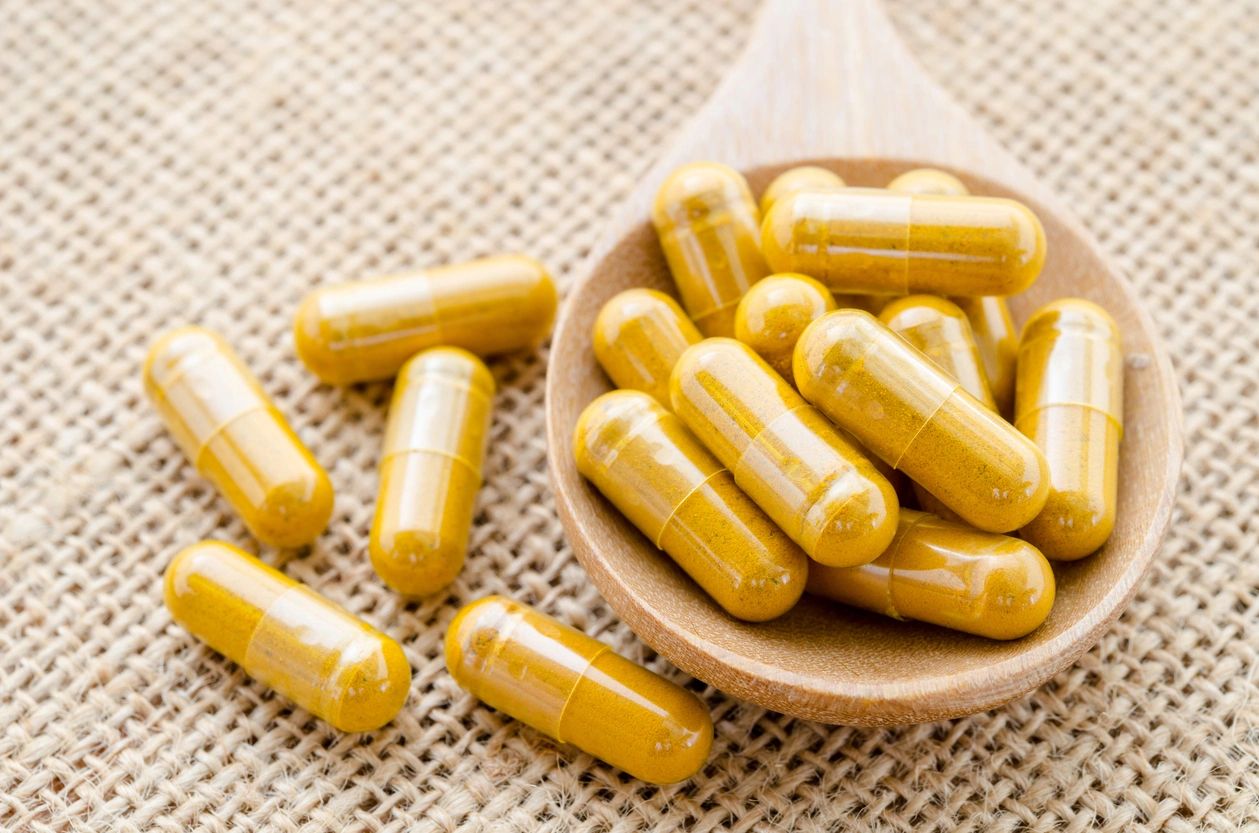
According to integrative fertility clinicians, NAD is being combined as oral supplements (NR or NMN) and IV drips or injections. Doses up to 1,000 mg/day orally are being trialed, with some stopping at conception and others continuing to the seven-week heartbeat ultrasound. Reported side effects include nausea or headaches if the form is poorly absorbed, underscoring the need for medical guidance. There’s even cautious optimism that NAD may reduce risks of congenital issues or preeclampsia, but human trials are urgently needed.
The promise is significant—NAD⁺ may enhance egg quality, bolster sperm health, and improve embryo development. But in humans, the data remain mostly preliminary or anecdotal. Optimal formulations, dosages, and timing are yet to be defined. Key to remember: in animal models, moderate dosing often outperforms higher doses—suggesting that balance, not excess, is key.
Lifestyle strategies that support NAD⁺—nutrient-rich diet, exercise, sleep, and stress management—remain foundational. Supplements like NMN and NR may hold promise, but until rigorous clinical trials catch up, caution is warranted.
Reproductive health is fundamentally connected to cellular vitality. NAD⁺ stands at that crossroads, linking energy metabolism, DNA integrity, and reproductive outcomes. Suppose trending clinical anecdotes like NAD infusions continue to spark collaboration and preliminary data collection. In that case, we might be on the cusp of a new paradigm—one where fertility care begins at the level of our cells.
- Peden, Alana. 2025. “I Tried NAD, the Fertility-Boosting Treatment No One Is Talking About.” PopSugar, June 2, 2025.
- Bai, Xueyan, Peng Wang, et al. 2022. “Relationship between sperm NAD⁺ concentration and reproductive aging in normozoospermic men: A cohort study.” BMC Urology 22 (1): 159. https://doi.org/10.1186/s12894-022-01107-3.
- Bertoldo, M. J., J. Listijono, M. Ho, et al. “NAD⁺ Repletion Rescues Female Fertility during Reproductive Aging.” Cell Reports 30, no. 6 (2020): 1670–1681.
- Meyer-Ficca, M. L., A. K. Schmitt, M. S. Braidy, et al. “NAD⁺ Decline in Male Reproductive Aging and the Role of Niacin Supplementation.” Frontiers in Endocrinology 13 (2022): 819329.
- Feng, Y., Z. Zhang, Q. Chen, et al. “NAD⁺ Supplementation Protects Spermatogenesis against Ferroptosis through SIRT2-Dependent Mechanisms.” Theranostics 14, no. 5 (2024): 2134–2151.
- Wang, X., Y. Yu, H. Wu, et al. “Nicotinamide Riboside Ameliorates Ovarian Dysfunction by Restoring NAD⁺ and Improving Mitochondrial Function in Polycystic Ovary Syndrome.” Biology of Reproduction 105, no. 2 (2021): 395–406.
- Li, D., S. Yang, X. Qiu, et al. “NAD⁺ Precursor Supplementation Improves Post-Ovulatory Oocyte Quality and Embryo Development in Mice.” Reproduction 166, no. 3 (2023): 233–245.
Dr Marina OBGYN