
Platelet-rich plasma (PRP), long used in orthopedics and aesthetics for its regenerative properties, has made its way into reproductive medicine over the past decade. The idea is elegant: concentrated platelets, rich in growth factors, might stimulate ovarian tissue or enhance endometrial receptivity. But in 2025, what does the evidence really say?
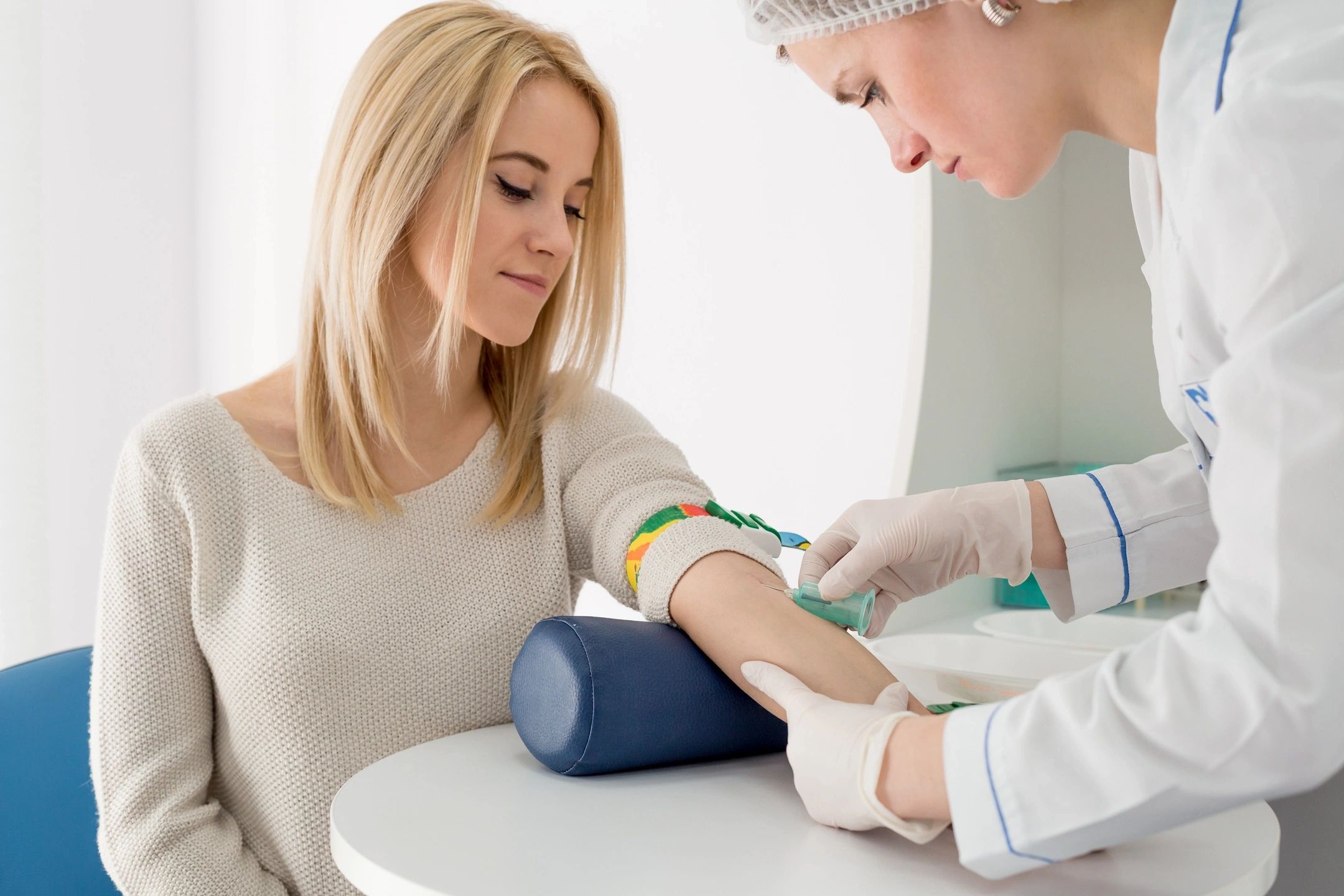
For women with diminished ovarian reserve (DOR) or poor ovarian response (POR), ovarian PRP has been marketed as a way to “rejuvenate” the ovaries. Two key randomized controlled trials (RCTs) published in 2024 finally gave us higher-quality answers:
- A Spanish sham-controlled RCT reported that PRP increased the number of mature oocytes retrieved. However, this did not translate into more blastocysts or euploid embryos.
- The large multicenter PROVA RCT (IVIRMA network) found no benefit at all in terms of mature oocytes, blastocysts, euploid embryos, or implantation rates.
While earlier observational studies suggested increases in AMH and egg yield, these RCTs underscore a sobering reality: ovarian PRP has not proven it can improve embryo quality or live birth outcomes. At best, it may yield more eggs, but without a corresponding improvement in embryo competence.
Key concept: Ovarian PRP remains experimental. Patients should be counseled that evidence for a meaningful fertility benefit is lacking.
The endometrium has shown more consistent responsiveness to PRP:
- In recurrent implantation failure (RIF), a 2024 RCT found higher pregnancy and live birth rates after intrauterine PRP infusion. However, it also noted a higher incidence of preterm birth—a crucial safety flag.
- In thin endometrium, a 2024 meta-analysis pooling RCT data found PRP significantly increased endometrial thickness and improved clinical pregnancy and live birth rates.
- Mechanistic studies in 2025 suggest PRP may shift the uterine immune microenvironment, reducing chronic inflammation and enhancing receptivity.
Key concept: Endometrial PRP shows promise, especially in thin endometrium and RIF, but long-term obstetric safety remains uncertain.
Professional societies remain cautious. The evidence base is still rated as low to very low certainty, and both patients and clinicians must weigh potential benefits against unknowns. While PRP is biologically intriguing and may offer hope in otherwise intractable cases, its routine use outside research settings is not justified yet.
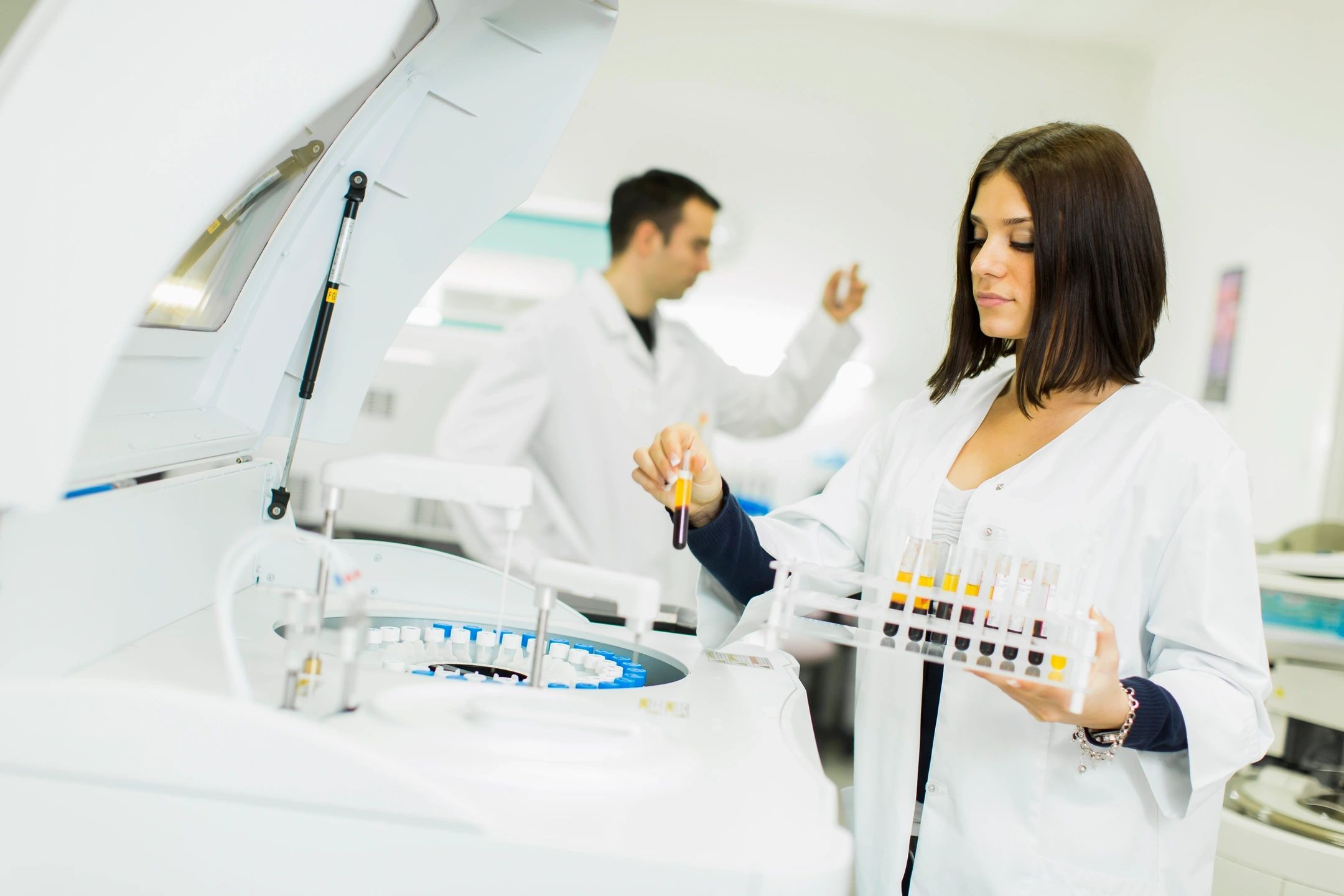
When patients ask me about PRP, I say:
- For the ovaries: We don’t yet have evidence that PRP improves embryo quality or live birth rates. It remains investigational.
- For the uterus: PRP may help in cases of recurrent implantation failure or thin lining, but there are concerns about preterm birth. We need more data before calling it safe and effective.
In short: PRP is an exciting frontier, but one we must tread carefully.
- Barrenetxea, G., R. Celis, J. Barrenetxea, E. Martínez, M. De Las Heras, O. Gómez, and O. Aguirre. “Intraovarian platelet‑rich plasma injection and IVF outcomes in patients with poor ovarian response: A double‑blind randomized controlled trial.” Human Reproduction 39, no. 4 (April 3, 2024): 760‑769. https://doi.org/10.1093/humrep/deae038.
- Herlihy, N. S., Y. Cakiroglu, C. Whitehead, A. Reig, B. Tiras, R. T. Scott Jr., and E. Seli. “Effect of intra‑ovarian platelet‑rich plasma injection on IVF outcomes in women with poor ovarian response: The PROVA randomized controlled trial.” Human Reproduction (May 9, 2024), online ahead of print. https://doi.org/10.1093/humrep/deae093.
- Éliás, M., M. Kónya, Z. Kekk, C. Turan, I. P. A. das Virgens, R. Tóth, M. Keszthelyi, P. Hegyi, S. Várbíró, and M. Sipos. “Platelet‑rich plasma (PRP) treatment of the ovaries significantly improves fertility parameters and reproductive outcomes in diminished ovarian reserve patients: A systematic review and meta‑analysis.” Journal of Ovarian Research 17, no. 1 (May 17, 2024): 104. https://doi.org/10.1186/s13048-024-01423-2.
- Yahyaei, A., et al. “Intrauterine infusion of autologous platelet‑rich plasma can improve outcomes in women with recurrent implantation failure.” Scientific Reports (2024). https://www.nature.com/articles/s41598-024-77578-1.
- Liu, Xinyuan, Chengyu Qian, Xiaoyue Jiang, Yue Zhou, Xue Feng, Yinyin Ding, Jing Jin, Minghui Hu, Weiye Zhou, and Huifang Zhou. “Efficacy of platelet‑rich plasma in the treatment of thin endometrium: A meta‑analysis of randomized controlled trials.” BMC Pregnancy and Childbirth 24 (Article no. 567, 2024). https://doi.org/10.1186/s12884-024-06741-3.
- Kaur, H., et al. “Role of Platelet‑rich Plasma in Unexplained Recurrent Implantation Failure.” Journal of Human Reproductive Sciences (2024). https://www.ncbi.nlm.nih.gov/pmc/articles/PMC11041320/.
- Barut, M. U. “Fatal complication after ovarian PRP treatment.” European Journal of Obstetrics & Gynecology and Reproductive Biology (2024). https://www.sciencedirect.com/science/article/pii/S147264832400720X.
Dr Marina OBGYN