
Recently, The Economist published an article titled “Don’t Panic About the Fertility Crash.” As someone who has spent more than three decades caring for women and couples navigating fertility, both naturally and with medical assistance, I agree with one crucial premise: panic is not helpful.
But neither is complacency.
The fertility decline we are witnessing across much of the world is not a single story. It is a mosaic of biology, economics, culture, environment, lifestyle, and choice. Reducing it to reassurance alone risks missing an opportunity—an opportunity to listen more closely to what fertility is telling us about individual and societal health.

The article rightly points out that fertility rates have fluctuated throughout history and that societies adapt. That is true. But as a physician, I see fertility differently than an economist might.
Fertility is not just a demographic statistic; it is a biological signal, a vital sign of overall health, much like blood pressure or glucose metabolism. When fertility declines rapidly and broadly, it often reflects deeper issues: metabolic health, hormonal disruption, chronic stress, environmental toxin exposure, sleep deprivation, and delayed family-building colliding with biological limits.
We cannot fully understand declining birth rates without acknowledging that many people who want children are struggling to conceive.
One of the strongest arguments in The Economist piece is that many people are choosing to have fewer children, or none at all, and that this should not be framed as a crisis. I agree that reproductive autonomy is non-negotiable. Women must never be pressured into motherhood.
But in my clinical practice, I meet countless women who did not consciously choose infertility. They chose education, careers, financial stability, or caregiving for others, often assuming biology would wait.
Biology, unfortunately, does not negotiate.
Empowerment means telling the whole truth: that reproductive aging is real, that egg quantity and quality decline earlier than most people are taught, and that no amount of societal progress can repeal ovarian physiology.
What is often absent from economic discussions of fertility decline is the health of the reproductive system itself.
We are seeing rising rates of:
- Polycystic ovary syndrome
- Endometriosis
- Insulin resistance
- Obesity and metabolic dysfunction
- Declining sperm counts and increased DNA fragmentation
Layer on endocrine-disrupting chemicals, ultra-processed diets, chronic inflammation, and sleep deprivation, and it becomes clear that fertility decline is not only about preferences, it is also about physiology under pressure.
This is where panic is unhelpful, but proactive education is essential.
The article suggests that assisted reproductive technologies can help societies adapt. They can, and they do. I use them, respect them, and refer patients appropriately.
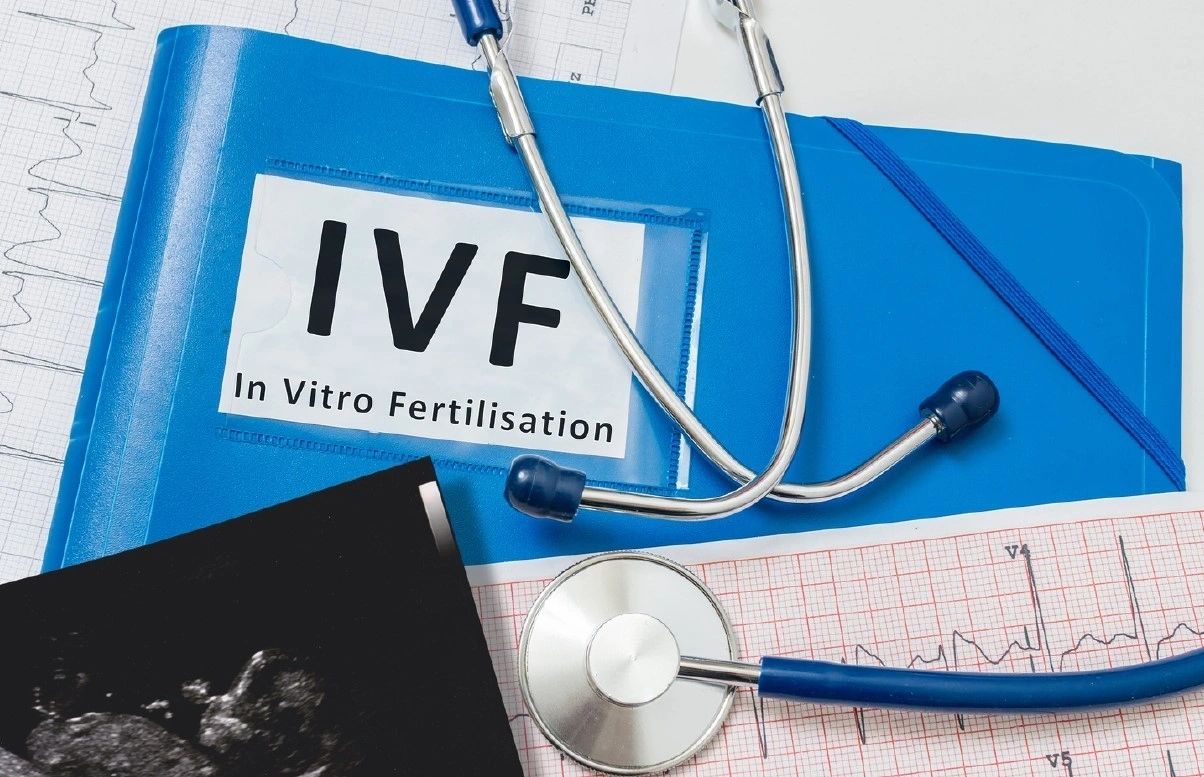
But IVF is not a rewind button. Egg freezing is not an insurance policy. Technology works best when paired with early awareness and optimized health, not when used as a last resort after years of silent decline.
Reassurance without education risks giving people a false sense of security.
Rather than panicking, or dismissing concern, we need a more constructive response:
- Normalize conversations about fertility earlier in life
- Treat fertility as part of preventive health care
- Address environmental and lifestyle contributors to reproductive decline
- Support families structurally and biologically
- Empower women and men with accurate, compassionate information
This is not about telling people what choices to make. It is about making sure those choices are informed.
I agree with The Economist on one point: panic does not serve us. Fear has never been a good public health strategy.
But fertility decline deserves attention, nuance, and honesty. When fertility falls, it is often a whisper, or sometimes a shout, that something in our bodies or our societies is out of balance.
Listening to that message, rather than dismissing it, may be our greatest opportunity—not just to support future generations, but to improve health and wellbeing right now.
Reference
The Economist. “Don’t Panic About the Fertility Crash.” The Economist, September 11, 2025. https://www.economist.com.
Dr Marina OBGYN