
Oxidative stress occurs when reactive oxygen species, often called free radicals, exceed the body’s antioxidant defenses.
When this happens, cellular damage can occur at multiple levels:
- DNA integrity
- Cell membranes
- Protein function
- Mitochondria, the cell’s energy generators
Egg cells are particularly vulnerable because they require extraordinary mitochondrial energy to mature properly, fertilize successfully, and support early embryo development. Research consistently links mitochondrial dysfunction with ovarian aging and declining egg quality.¹
This helps explain why chronological age alone does not always predict fertility potential. Biological age reflects cumulative lifestyle, metabolic health, environmental exposures, and inflammatory balance.
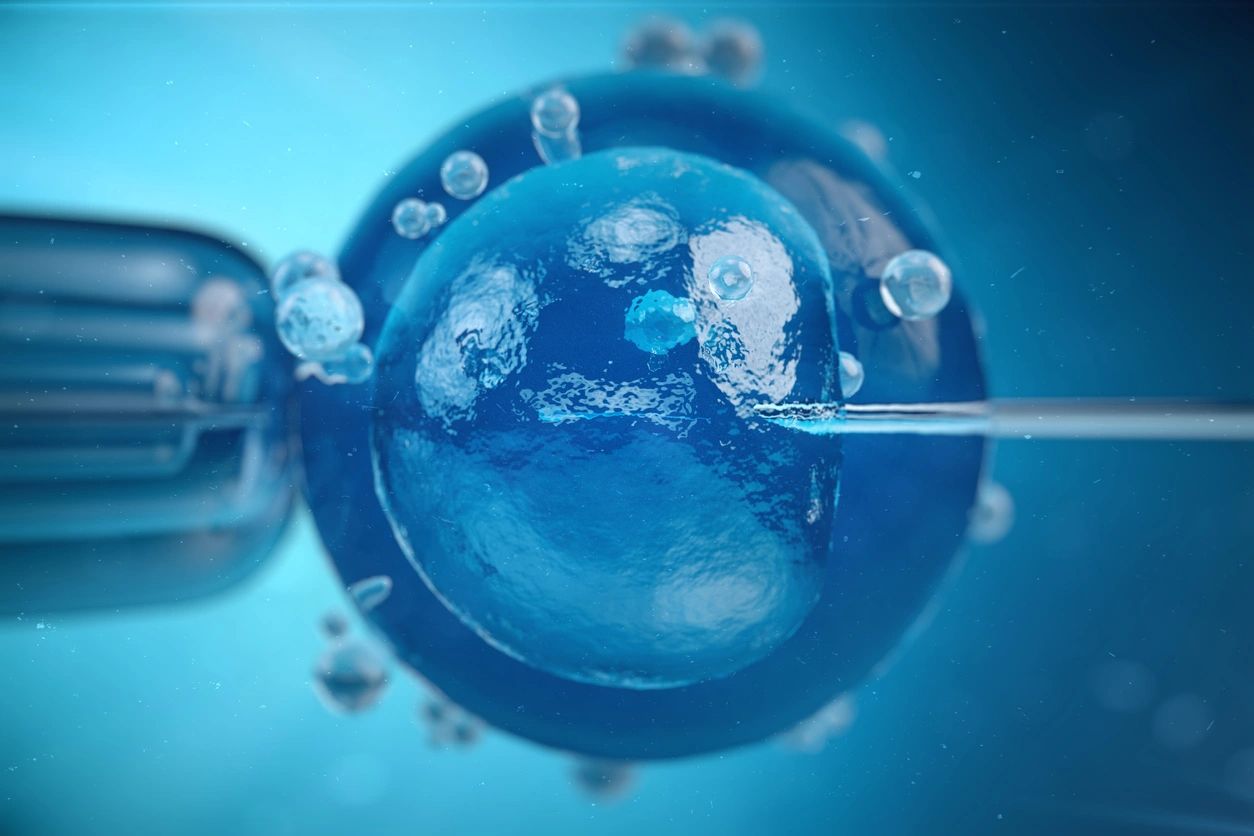
Women are born with their lifetime supply of oocytes. These cells may remain dormant for decades before ovulation.
During that time, they are exposed to:
- Age related oxidative changes
- Environmental toxins
- Chronic inflammation
- Metabolic dysfunction
- Nutritional factors
- Psychological stress
This accumulated exposure contributes to variations in egg quality even among women of similar ages.
It is one reason I often remind patients:
Fertility is not isolated from health. It reflects it.
Oxidative stress appears to act as a common biological pathway in several reproductive conditions.
Elevated oxidative stress markers are consistently observed in women with PCOS and insulin resistance.²
Inflammatory processes associated with endometriosis may negatively influence the ovarian environment.³
Air pollution, endocrine disruptors, and environmental chemicals are increasingly recognized as contributors to reproductive dysfunction through oxidative pathways.⁴
These connections reinforce an important clinical message:
Lifestyle medicine is not alternative medicine. It is foundational medicine.
Fortunately, many contributors to oxidative stress are modifiable.
Balanced nutrition, regular resistance exercise, adequate sleep, and stable metabolic health help reduce systemic inflammation and oxidative burden.
Even modest improvements can positively influence reproductive outcomes.
Mediterranean style dietary patterns consistently show favorable associations with fertility outcomes and IVF success.⁵
Key components include:
- Vegetables and fruits rich in antioxidants
- Healthy fats such as olive oil and omega 3 fatty acids
- Whole grains and legumes
- Minimal ultra processed foods
This pattern supports both reproductive and cardiovascular health.
While complete avoidance is unrealistic, practical steps include:
- Avoid smoking and secondhand smoke
- Improve indoor air quality
- Minimize plastic exposure
- Choose lower toxin personal care products
Small adjustments accumulate over time.
Egg maturation occurs over approximately 90 days prior to ovulation.
This means the months leading up to conception matter:
- Nutrition quality
- Sleep patterns
- Stress management
- Physical activity
- Environmental exposures
Consistency, rather than perfection, produces meaningful change.
Fertility reflects overall physiological resilience:
- Metabolic balance
- Inflammatory status
- Environmental influences
- Lifestyle patterns
When overall health improves, fertility often improves alongside it.
And even when assisted reproductive technologies are necessary, entering treatment with optimized cellular health provides the best possible foundation.
Your biology is not fixed.
It responds continuously to how you live.
That is not pressure. It is possibility.
These principles form the foundation of my upcoming book:
It integrates clinical experience, emerging research, and practical strategies to help people protect reproductive health earlier, before problems arise.
Learn more and access additional fertility education at:
www.drmarinaobgyn.com
Because informed patients help create healthier future generations.
- May-Panloup, Pascale, et al. “Ovarian Ageing: The Role of Mitochondria in Oocytes and Follicles.” Human Reproduction Update 22, no. 6 (2016): 725 to 743. https://doi.org/10.1093/humupd/dmw028.
- Murri, Mora, Manuel Luque-Ramírez, María Insenser, Miriam Ojeda-Ojeda, and Héctor F. Escobar-Morreale. “Circulating Markers of Oxidative Stress and Polycystic Ovary Syndrome: A Systematic Review and Meta-Analysis.” Human Reproduction Update 19, no. 3 (2013): 268 to 288. https://doi.org/10.1093/humupd/dms059.
- Carvalho, Luiz Fernando Pina, Abhishek Neil Samadder, Ashok Agarwal, Liana C. F. Fernandes, and Mauricio S. Abrão. “Oxidative Stress Biomarkers in Patients with Endometriosis: Systematic Review.” Archives of Gynecology and Obstetrics 286, no. 4 (2012): 1033 to 1040. https://doi.org/10.1007/s00404-012-2439-7.
- Woodruff, Tracey J., Arlene Carlson, Jessica M. Schwartz, and Linda C. Giudice. “Proceedings of the Summit on Environmental Challenges to Reproductive Health and Fertility: Executive Summary.” Fertility and Sterility 89, no. 2 (2008): 281 to 300. https://doi.org/10.1016/j.fertnstert.2007.10.002.
- Karayiannis, Dimitrios, et al. “Adherence to the Mediterranean Diet and IVF Success Rate.” Human Reproduction 33, no. 3 (2018): 494 to 502. https://doi.org/10.1093/humrep/dey003.
Dr Marina OBGYN