
Reflections on: Impacts of Environmental Stressors on Fertility and Fecundity Across Taxa, with Implications for Planetary Health
Brander SM et al., 2024
After more than three decades in clinical practice, I have come to see fertility as one of the most sensitive indicators of health—both individual and societal. When fertility begins to decline across populations, it is rarely random. It is often a signal that something in our environment has changed.
This important scientific review by Brander and colleagues reminds us that fertility challenges are not limited to humans. Across the animal kingdom—fish, amphibians, birds, mammals, and invertebrates—researchers are observing remarkably similar patterns:
- Reduced fertility
- Poor egg and sperm quality
- Altered reproductive timing
- Increased pregnancy loss
- Developmental abnormalities in offspring
These findings span species, ecosystems, and continents.
That is why this paper frames fertility as part of planetary health—a concept that recognizes that human health depends on the health of our environment.
In many ways, fertility is the early warning system.

Environmental stressors are factors in our surroundings that place biological strain on living organisms. Some are natural, but many are created or amplified by human activity.
The major categories highlighted in this review include:
Chemical exposures
- Pesticides
- Plastics and microplastics
- Heavy metals
- Industrial chemicals
- Endocrine-disrupting compounds
Physical stressors
- Heat
- Radiation
- Noise
- Air pollution
Ecological stressors
- Habitat loss
- Climate change
- Water contamination
- Food system changes
These stressors rarely occur in isolation. Instead, organisms—including humans—are exposed to mixtures of environmental pressures simultaneously.
And that combination matters.
One of the most compelling aspects of this paper is the consistency of findings across taxa.
Researchers are seeing:
- Lower sperm counts in fish exposed to pollutants
- Disrupted hormone signaling in amphibians
- Reduced egg production in birds
- Altered reproductive cycles in mammals
- Developmental abnormalities in marine organisms
These are not isolated observations. They represent a global trend.
When multiple species in different ecosystems experience reproductive decline at the same time, scientists begin to ask a larger question:
What is happening in our shared environment?
One of the most concerning environmental stressors emerging in recent years is plastic—particularly microplastics and the chemicals associated with them.
Plastics are not biologically inert. They can release or carry endocrine-disrupting chemicals such as phthalates, bisphenols, and flame retardants. These compounds are capable of interfering with hormone signaling, cellular development, and reproductive function.
We are now seeing plastics detected in places that would have been unimaginable just a decade ago:
- Human blood
- Placental tissue
- Amniotic fluid
- Semen
- Ovarian and testicular tissue
Research increasingly shows associations between plastic exposure and:
- Reduced sperm count and motility
- Hormonal disruption
- Impaired egg quality
- Increased inflammation
- Higher risk of pregnancy complications
From a clinical perspective, this is no longer theoretical. It is measurable biology.
And it reinforces a message I share with patients every day:
What surrounds us eventually reaches us.
Many people are surprised to learn that the world is currently negotiating what could become one of the most important environmental health agreements of our generation: a global plastics treaty.
This treaty, being developed under the United Nations, aims to create a legally binding framework to address plastic pollution across the entire life cycle—from production to disposal.
More than 180 countries are participating. Negotiations began in 2022, and discussions are ongoing as nations work toward agreement on how to reduce plastic pollution at its source while managing waste more effectively.¹
The central debate is straightforward but consequential:
Should the world limit plastic production itself, or focus primarily on recycling and waste management?
That decision will shape environmental exposure for decades.
From a reproductive health perspective, this treaty is not an abstract policy issue. It is a preventive health issue.
Reducing plastic pollution is not simply about protecting oceans or wildlife.
It is about protecting fertility, pregnancy, and the health of future generations.
Another important theme in this review is the growing recognition that climate change directly affects reproduction.
Rising temperatures, for example, can:
- Reduce sperm production
- Alter menstrual and reproductive cycles
- Increase pregnancy complications
- Affect fetal development
In wildlife, even small temperature shifts can dramatically reduce fertility rates.
Humans are not exempt from these biological realities.
We are part of the same ecosystem.
Healthy reproduction requires:
- Balanced hormones
- Stable metabolism
- Low inflammation
- Adequate nutrition
- Minimal toxic burden
These are the same factors that support long-term health and longevity.
That is why I often remind patients—and readers—that fertility is not just about having a baby.
It is about the health of the whole body.
The authors emphasize a powerful idea:
Human health cannot be separated from environmental health.
This is the foundation of planetary health, which recognizes that:
- Air quality affects pregnancy outcomes
- Water quality affects reproductive development
- Food systems affect fertility
- Environmental stability affects population health
When ecosystems are stressed, reproduction declines.
Across species.
Across generations.
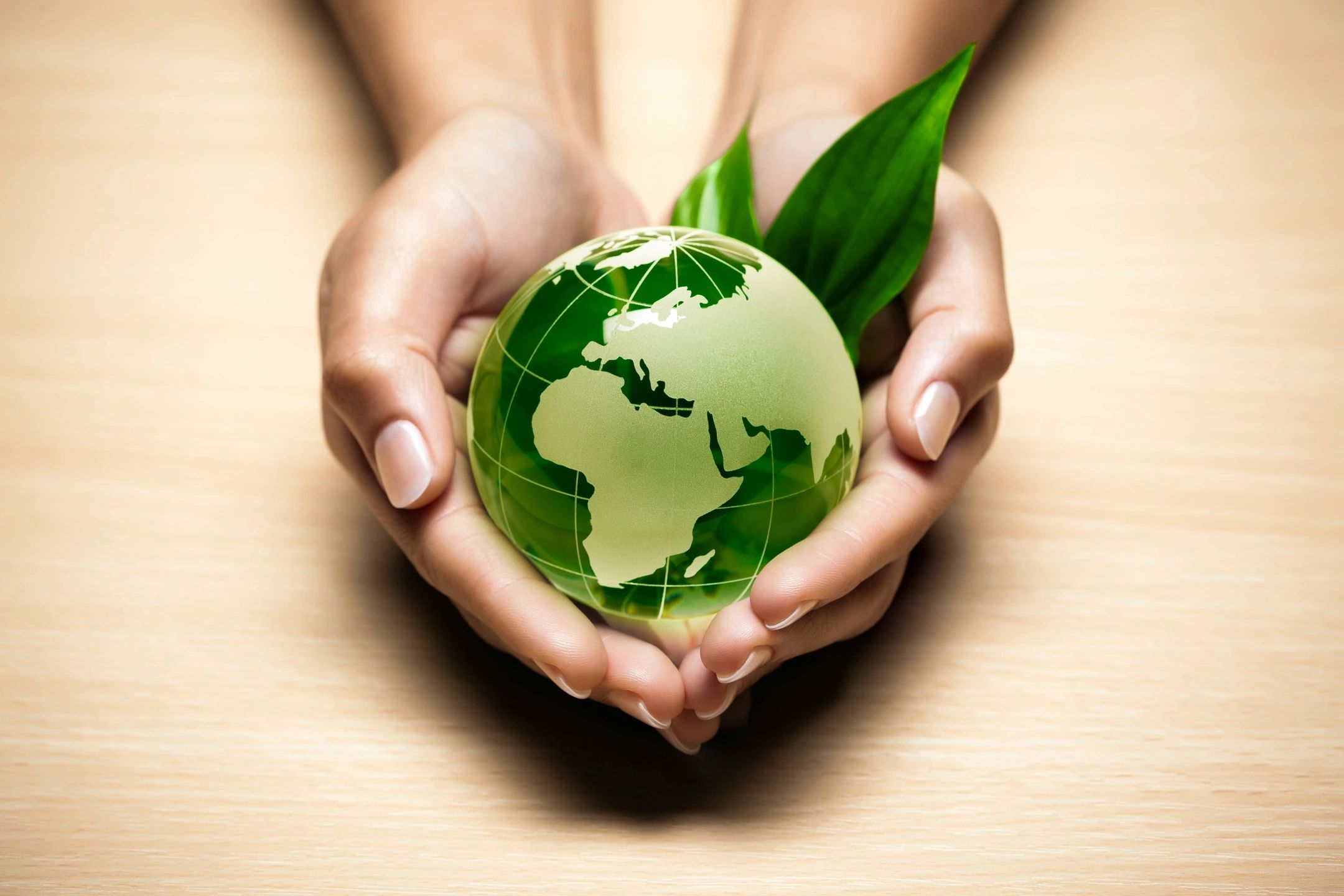
The message of this research is not one of fear.
It is one of opportunity.
Small, practical steps can meaningfully reduce exposure to environmental stressors.
Examples include:
- Choosing whole, minimally processed foods
- Reducing plastic use, especially with heat and food
- Filtering drinking water when possible
- Improving indoor air quality
- Prioritizing sleep and stress management
- Supporting policies that protect environmental health
These actions are not extreme.
They are preventive medicine.
One of the clearest lessons from this research is that fertility health begins long before pregnancy planning.
Environmental exposures accumulate over time.
Reproductive health is shaped over decades.
That is why education about fertility, lifestyle, and environmental health should begin in adolescence—not in the fertility clinic.
Waiting until infertility occurs is often too late.
Despite the challenges outlined in this paper, there is reason for optimism.
Many environmental risks are modifiable.
Many biological effects are reversible.
And awareness is growing rapidly.
History has shown that when science identifies a risk—lead exposure, smoking, unsafe drinking water—society can respond and improve outcomes.
The same is possible for reproductive health.
This landmark review reminds us that fertility is not simply a personal medical issue.
It is a reflection of environmental health, societal choices, and long-term biological resilience.
Across species, declining fertility is sending a clear signal.
We would be wise to listen.
- United Nations Environment Programme (UNEP). Towards a Global Plastics Treaty: International Negotiating Committee Process. Nairobi: UNEP, 2024.
- Brander, Susanne M., Shanna H. Swan, Alvine C. Mehinto, Karen A. Kidd, Judith S. Weis, Scott M. Belcher, Jamie C. DeWitt, Stacey L. Harper, and Caren C. Helbing. “Impacts of Environmental Stressors on Fertility and Fecundity Across Taxa, with Implications for Planetary Health.” Environmental Science & Technology 2024.
- Swan, Shanna H., et al. “Declining Human Fertility and the Role of Environmental Chemicals.” Lancet Planetary Health 2021.
- Ragusa, Antonio, et al. “Plasticenta: First Evidence of Microplastics in Human Placenta.” Environment International 2021.
- Sharma, Rakesh, et al. “Effects of Environmental Toxicants on Reproductive Health and Fertility.” International Journal of Environmental Research and Public Health 2023.
Dr Marina OBGYN